

Contents of This Post:
- What Is the Abortion Pill?
- Abortion Pill Names You Should Know
- How Do These Abortion Pills Work?
- Medical Abortion vs. In-Clinic Options
- Which Option Is Best for You?
- Safety, Precautions, and When to Seek Help
When facing an unplanned pregnancy, having clear and accurate information can make all the difference. If you are considering a medical abortion, one of the first questions that may come to mind is: What is the abortion pill name, and which option is right for me?
With various names, combinations, and brands available, it’s easy to feel overwhelmed or confused. In this article, we’ll break down the commonly used abortion pill names, explain how each one works, and help you understand the options available. We aim to provide clarity so that you can make an informed, safe, and confident decision.
Let’s begin by understanding the basics.
What Is the Abortion Pill?
The term abortion pill refers to a combination of medications that end an early pregnancy safely and effectively. Unlike surgical procedures, medical abortion allows you to manage the process in the privacy of your home or a clinic setting with medical supervision.
This method is approved worldwide and is considered both safe and effective when used within the recommended time frame — usually up to 6 weeks of pregnancy. It’s important to understand that the abortion pill isn’t a single pill but a two-step process involving two different medications.
In the next section, let’s look at the exact names of these pills and why they matter.
Abortion Pill Names You Should Know
When people refer to the “abortion pill,” they often think of just one medicine. In reality, it involves two medications taken in sequence: Mifepristone and Misoprostol. Each plays a specific role, and understanding their names and functions can help you feel more informed and prepared.
Mifepristone:
Mifepristone is the first medication in the abortion process. It works by blocking progesterone, commonly known as pregnancy hormone needed to sustain pregnancy. Without progesterone, the pregnancy cannot continue to grow. Mifepristone essentially signals the body to stop supporting the pregnancy.
It’s usually taken orally after consultation with an abortion doctor who ascertains the patient’s eligibility for a medical abortion before prescribing the pills. Usually, the patient takes the Mifepristone pill under medical supervision, either at a clinic or following a doctor’s instructions.
Some healthcare providers also refer to it as Mifeprex, which is the FDA-approved brand name in many countries. Korlym used for other medical conditions also contains the same active ingredient. Some other brand names for Mifepristone available for abortion in Bangalore are Fibroreg-M, Mifty, Gestapro, Contrapill and Gestarest.
Misoprostol
Misoprostol is the second medication in the process. It causes the uterus to contract by inducing contractions in the uterine muscles causing strong cramps in the lower abdomen region and expelling the pregnancy tissue.
Misoprostol is usually taken 24 to 48 hours after Mifepristone but the exact time can vary from patient to patient. The abortion doctor evaluates the patient’s overall medical condition and decides the best time to take this medicine and also alters its dose.
Furthermore, the doctor can also alter the preferred mode of administration depending on the patient’s specifics. This medicine can be taken in different ways: buccally (dissolved in the cheek), sublingually (under the tongue), or vaginally. Each method has different effectiveness rates, and healthcare providers will recommend what’s best based on medical guidelines and your comfort.
Cytotec is the most commonly known brand name for Misoprostol. Originally approved for preventing stomach ulcers, it’s now widely used off-label for medical abortion and managing postpartum haemorrhage.
Some other brand names for Misoprostol available for abortion in Bangalore include Misotrol and Misodel.
Combipack Abortion Pill Kits:
In some countries, including India, a combination kit that contains both Mifepristone and Misoprostol is available, making the process simpler. Although the kit with clear instructions and dosage guidance, it is crucial to take it under medical supervision to increase the chances of a successful abortion and also to prevent unseen and unexpected complications.
Common combination kits available for abortion in India include:
- MTP Kit (available in several countries, including India)
- Medabon
- Unwanted Kit
- Cipla MTP Kit
- Abortab Kit
- MAN MTP Kit
These kits provide both pills together, eliminating confusion and offering convenience.
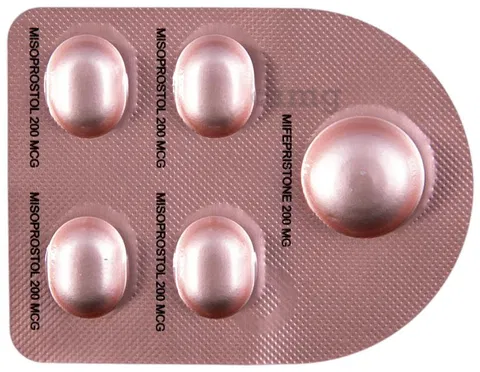
How Do Abortion Pills Work?
Besides knowing the common abortion pill names, understanding how they work will help you feel more confident and prepared for the process. While it may seem complex at first, it’s actually a straightforward, two-step process that mimics a natural miscarriage.
However, it’s important to remember that medical abortion is not the only abortion option and that it is not the most suitable method to terminate all pregnancies. For now, let’s see what goes into a medical abortion regardless of the abortion pill name.
Step 1: Mifepristone — Blocking Pregnancy Hormones
Mifepristone is the first pill you take, as mentioned in the above section. Since it works by blocking the hormone progesterone, essential for maintaining pregnancy, its absence will initiate the abortion process. Without progesterone, the lining of the uterus begins to break down. This stops the pregnancy from growing and prepares the uterus to expel the pregnancy tissue.
After taking Mifepristone, most women do not feel any immediate changes as it doesn’t cause any immediate changes worth noticing. Some may experience mild cramps or spotting, but for many, this first step feels uneventful. The main action is happening internally as the body prepares for the second stage.
Because of this only, your doctor may advise you to take it in the clinic itself or guide you to take it at your convenience. But you do not need to be at home or in a comfort zone after taking Mifepristone. You can continue working for the rest of the day until you are guided to take the second abortion medicine.
Step 2: Misoprostol — Expelling the Pregnancy
The second step comes 24 to 48 hours later when you take Misoprostol. This medicine causes the uterus to contract, leading to cramping and bleeding — similar to a heavy period or miscarriage. These contractions push the pregnancy tissue out of the uterus. The cramps are usually more intense than your menstrual period since they are medicine-induced. Some women may feel more pain depending on their pain-bearing capacity and some patient-specific factors.
The effects usually start within 30 minutes to 4 hours of taking Misoprostol. So, unlike Mifepristone, after taking Misoprostol, you will need to stay in a comfortable space where you can easily pass out the fetal tissue.
To know how abortion bleeding looks like, you can read the post: How abortion bleeding look like: What abortion doctor says?
You may experience:
- Strong cramps
- Heavy bleeding with clots
- Nausea, diarrhea, chills, or fever (temporary side effects)
These symptoms can last several hours. The most intense part is often over within 4 to 6 hours, though light bleeding or spotting can continue for up to two weeks.
And here’s a guide for you if you experience no bleeding after taking abortion pills: What to do if you do not bleed after taking Unwanted Kit?
How effective is it?
When used correctly within the first 6 weeks of pregnancy, the abortion pill process is 92% to 95% effective. In some cases, a follow-up dose or surgical intervention may be needed if the abortion is incomplete. This is why follow-up care and ultrasound confirmation are always recommended after a medical abortion.
This also raises the concern for the uncertainty of the abortion success with pills. So, many women who are eligible for medical abortion also prefer more efficient abortion procedures that can give them the confidence of a successful procedure in a single appointment. This can prevent them from getting anxious or feeling stressed about having an incomplete abortion and the wait of nearly a week for this confirmation.
Is the process painful?
Everyone’s pain tolerance is different, but you can expect cramping that ranges from mild to very strong. Most women describe it as more intense than a regular period but manageable with painkillers like ibuprofen, a hot water bottle, and rest.
Note: Do not take any pain medication not advised by your doctor. Your doctor can rule out any contraindications or interactions while prescribing you any medicines along with abortion pills, either for pain management, for making up for the blood loss or even the prophylactic antibiotics.
Medical Abortion vs. In-Clinic Abortion Options
When choosing between abortion methods, it’s important to understand not just how each option works, but how it might feel for you both physically and emotionally as an overall abortion experience. Medical abortion and in-clinic abortion serve the same purpose but in very different ways. Let’s explore both in detail so you can make the choice that feels right for you.
Medical Abortion (Using the Abortion Pill)
Medical abortion is a non-surgical method that uses medication to end a pregnancy but is not available for ending all pregnancies. It is typically recommended for intrauterine pregnancies up to 6 weeks. The process starts with Mifepristone, which blocks the pregnancy-supporting hormone, followed by Misoprostol, which causes the uterus to contract and expel the pregnancy.
One of the biggest advantages of medical abortion is privacy. You can go through the process at home, at your own pace, without hospital visits or surgical instruments. For many, this feels more natural and allows them to process their emotions in a familiar, comfortable space.
However, medical abortion also requires patience and preparation. You’ll experience cramping and heavy bleeding, which may last for several hours. Some women compare it to a very intense period; for others, it feels more like early labor pains. It’s important to have pain management options on hand, plenty of rest, and ideally, a trusted person nearby for support.
Medical abortion is around 93–95% effective when done correctly. After the process, a follow-up with your doctor after about 1–2 weeks is necessary to ensure the abortion is complete. And in case of an incomplete abortion, what you were avoiding, a surgical procedure may become essential to complete the process and remove all pregnancy products from the womb.

In-Clinic Abortion (Suction or Surgical Procedure)
In-clinic abortions, on the other hand, are quick, medical procedures performed by trained doctors. Depending on how far along the pregnancy is, the doctor may use a suction method (also called manual vacuum aspiration) or a slightly more involved procedure called Dilation and Curettage (D&C) or Dilation and Evacuation (D&E).
Abortion in India is legal under several circumstances for nearly two semesters, i.e., 24 weeks, with up to 20 weeks available for almost all women and beyond that for some special cases. However, the abortion pill method is available only for very early pregnancies. So, pregnancies less than 12-14 weeks have suction in-clinic abortion as an option. And advanced stage pregnancies will need a more detailed D&C or D&E for completely removing the pregnancy tissue.
The biggest advantage of an in-clinic abortion is certainty. The procedure typically takes 10–20 minutes, and you leave the clinic knowing the abortion is complete. There’s less waiting and far less bleeding afterwards compared to the pill. Many women also report that recovery from an in-clinic procedure is faster and physically easier.
But for some, the idea of a clinical procedure may feel overwhelming. It involves instruments, sterile settings, and sometimes anesthesia. While it’s a safe and highly effective method (99–100% success rate), it may feel emotionally heavier for those who are anxious about medical settings.
However, most women prefer suction abortion over medical abortion owing to its efficiency and painless nature. Also, if you are looking for a more private and confidential abortion experience, you can explore abortion options at a nearby certified abortion clinic, Bangalore Genesis Hospital (BGH).
For women who are looking for a quick and definitive solution, with minimal waiting and follow-up, this is often the most reassuring option.
In short:
- If you prefer privacy, more control over the process, and are okay with pain, waiting, managing discomfort at home and ready to go for a surgical abortion in case of an incomplete abortion, medical abortion may be right for you.
- If you want immediate results with less uncertainty, are okay with visiting a clinic, and prefer a quicker recovery, in-clinic abortion could be the better choice.
Which Option Is Best for You?
Choosing between a medical abortion and an in-clinic abortion isn’t just about the method — it’s about your comfort, your health, and your circumstances. What works for one person might not feel right for another and this is absolutely normal and relatable. That’s why it’s important to consider several factors before deciding.
Your Pregnancy Stage
The first and most crucial factor is how far along you are in your pregnancy.
Medical abortion is generally recommended for up to 6 weeks. After this point, the success rate starts decreasing, and the risk of complications may increase.
In-clinic abortions can be performed later in pregnancy, depending on local laws and medical guidelines. It’s always best to consult a healthcare provider for advice on available abortion options who can guide you while maintaining privacy, discretion and respect for your preferences.
Your Pregnancy Location
Both medical abortion and in-clinic abortion procedures (suction, D&C, D&E) are the abortion methods for terminating pregnancies that are within the uterus. However, there are instances of ectopic pregnancies where the fertilized egg implants wrongly, usually in the fallopian tube.
Such pregnancies are non-viable and need different treatments and that too urgently. Ectopic pregnancies require immediate attention as soon as they are detected. Otherwise, an ectopic pregnancy can rupture leading to internal bleeding which can also take a fatal turn.
That’s why it is extremely important to rule out an ectopic pregnancy before the abortion with an ultrasound.
Your Health Conditions:
Some medical conditions may make one option safer than the other. For instance, medical abortion may not be recommended if you have:
- Severe anaemia
- Bleeding disorders
- Certain heart conditions
- An ectopic pregnancy (a pregnancy outside the uterus) — cannot be treated with abortion pills and requires immediate medical attention.
In such cases, in-clinic procedures are safer and more appropriate.
Privacy vs. Clinical Supervision
Ask yourself where you feel safest and most comfortable. If you value privacy, control, and the ability to be at home, a medical abortion might align with your needs. But remember — medical abortion involves cramping, bleeding, and managing side effects on your own.
If the thought of doing this at home feels stressful or you would prefer the reassurance of a doctor’s presence and immediate results, an in-clinic abortion may be the better path. Many women choose this for the peace of mind it offers.
Pain Tolerance and Emotional Readiness
The abortion pill process can involve intense cramping and emotional ups and downs over several hours or days. If you feel mentally ready to manage that, it can be empowering.
In-clinic procedures, on the other hand, are quick and less painful overall, but some women feel emotionally uncomfortable with surgical settings or anaesthesia.
Cost and Accessibility
In many countries, medical abortion is more affordable and accessible.
The cost of abortion with an in-clinic procedure may be higher. But when you calculate the cost of abortion with both methods on broader criteria like the number of appointments, travel arrangements and the possibility of an incomplete abortion with a medical abortion, an in-clinic abortion may seem like a one-time cost involvement and much easier.
Remember, the cost is not just the money you spend but also involves the pain, fatigue, professional time off and discomfort.
Emotional Support
Finally, think about your support system. Do you have someone you trust who can be with you at home if you choose the abortion pill? Or would you feel more secure surrounded by trained medical staff?
The best option is the one that feels safe, manageable, and right for you. If you’re uncertain, consult an abortion doctor near you who can help you make the most informed and compassionate choice.
Safety, Precautions, and When to Seek Help?
While both medical and in-clinic abortions are safe and widely practised, your safety always comes first. Knowing what to expect, how to prepare, and when to seek medical help will ensure you have the smoothest experience possible.
Safety Guidelines for Medical Abortion
If you choose the abortion pill, follow these safety steps:
- Confirm your pregnancy, its location and gestational age through an ultrasound or medical consultation.
- Do not self-medicate without proper medical guidance. Even if abortion pills are available online or over the counter in some places, taking them without proper knowledge of dosage and timing can lead to complications.
- Follow the prescribed dosage exactly as directed by your doctor.
- Have pain relief ready. Your doctor may prescribe some pain relievers to manage abdominal cramps.
- Plan for rest. Arrange a comfortable, private place to manage the process, and avoid work or travel during this time.
- You can expect cramping, heavy bleeding, and passing clots. This is part of the process and usually resolves within a few hours. Spotting may continue for up to two weeks.
Safety Guidelines for In-Clinic Abortion
In-clinic procedures are performed by professionals, but it’s still important to prepare:
- Follow any pre-procedure instructions. You may be asked to avoid eating or drinking for a few hours before the procedure, depending on the type of anaesthesia or sedation used. At Bangalore Genesis Hospital, we use mild sedation for suction abortion as it makes the procedure painless and comfortable for the patient.
- Arrange for someone to accompany you. While the procedure is quick, you may feel groggy or weak afterwards if sedation is used.
- Take time to rest. Although recovery is usually faster, your body still needs time to heal. You may rest for some time at the hospital, but it’s better to avoid resuming work instantly. Take an overnight rest before resuming work or until you feel sufficiently rested.
When to Seek Medical Help?
Regardless of the method you choose, there are warning signs that you should not ignore. Contact a doctor or go to an emergency facility if you experience any of the following:
- Heavy bleeding that soaks through more than two large pads in an hour for two consecutive hours.
- Severe abdominal pain that does not improve with medication or rest.
- High fever (above 38°C or 100.4°F) lasting more than 24 hours after taking Misoprostol.
- Foul-smelling vaginal discharge — this could be a sign of infection.
- No bleeding at all within 24 hours of taking Misoprostol — this may indicate an incomplete abortion or other complications.
- Ongoing pregnancy symptoms a week or more after taking the abortion pills.
Follow-Up Is Crucial
After a medical abortion, most healthcare providers recommend a follow-up appointment or an ultrasound after 7–14 days to ensure the abortion is complete and there are no complications.
If you opt for an in-clinic abortion, your doctor will also provide aftercare instructions and may schedule a check-up, though complications are rare.
Remember, abortion — whether medical or in-clinic — is a safe and common procedure when done under proper medical guidance. Your health and peace of mind matter most. If you’re ever unsure, reach out to a healthcare provider without hesitation.
Schedule an abortion consultation.
Related Posts:
- Which diagnostic tests should you get before an abortion?
- What to do if you do not bleed after taking Unwanted Kit?
- Abortion Pill Cost at Safe Abortion Clinic near you
- MTP Procedure Cost: How to Choose Cost-effective Abortion
- Unwanted kit bleeding time: What you should know?
Quick Links:
- “Can Abortion Cause Death? Examining the Evidence”
- Can Abortion Cause Uterine Fibroids: Ask the Doctor
- Increasing E-consults for Reproductive Health: Addressing Unplanned Pregnancy, Abortion and Beyond
- How to Take Care of Yourself After an Abortion?
- Bangalore Genesis Hospital Reviews: Some Abortion Stories
