
Contents of This Post:
- Sharing Your Decision with Your Partner: Tips for Open Communication.
- Navigating Family Dynamics: How to Discuss Your Abortion Decision?
- Confiding in Friends: Factors to Consider While Choosing the Right Support System.
- Setting Boundaries and Prioritizing Self-Care.
- Moving Forward: Rebuilding Relationships and Finding Support.
Deciding to have an abortion can be one of the most overwhelming and difficult choices you’ll ever make. The emotional turmoil, the weight of responsibility, and the fear of uncertainty can be crushing. But once you’ve made the decision, another daunting challenge awaits: sharing it with your loved ones.
Will they support you, or will you face judgment, denial, or refusal? The uncertainty can be paralysing. In India, where abortion is legal with a woman’s consent, you have the right to make this choice. However, having the support of loved ones can make a significant difference in your emotional and mental well-being.
While a woman’s autonomy and consent are paramount, moving forward with the support of family and friends can be a powerful factor in her healing journey. In this blog post, we’ll explore how to navigate these sensitive conversations, build a support network, and prioritize your well-being.
If you’re considering an abortion in Bangalore, India, please prioritize your health and well-being by seeking safe, legal, and confidential services. We urge you to refrain from unsafe abortion methods, such as self-administering abortion pills, and instead opt for reputable and trustworthy abortion providers.
Let’s work together to ensure that every woman has access to the care and support she deserves.
How to Share Your Decision with Your Partner? Tips for Open Communication
Sharing your abortion decision with your partner can be a daunting task, especially if you’re unsure of their stance on the issue.
At first, sharing the news of an unplanned pregnancy itself can be full of surprises. For some, it can come as a blessing in disguise, while for others it can come as a shocking revelation with an urge to get rid of an unwanted pregnancy at the earliest. However, the opinions of both the involved partners can also vary which adds a layer of complexity in deciding what, when and how to proceed.
This conversation can be challenging regardless of your marital status, but it’s essential to approach it with honesty and openness. Whether you’re married or in a committed relationship, discussing your decision with your partner is crucial in building trust and navigating this situation together.
Choose the Right Time and Place.
Select a private, quiet spot where both of you feel comfortable and won’t be interrupted. Ensure you both have enough time to discuss the issue without feeling rushed. Consider choosing a place where you’ve had meaningful conversations before, as this can help create a sense of familiarity and comfort. Avoid crowded places that can cause distractions or places where you may not be able to express what you are going through.
Friendly Tip:
The best place to discuss such issues is of course your bedroom. Your bedroom can be a sanctuary for sensitive conversations. The familiarity and comfort of your own space can help you feel more at ease when discussing your unplanned pregnancy with your partner. Also, if you plan to abort this unwanted pregnancy, the bedroom can be the best place to share the abortion decision. The intimacy and privacy of your bedroom can also foster a sense of closeness and vulnerability, allowing for a more open and honest conversation.
Be Honest and Clear.
Explain your reasons for choosing an abortion, and be specific about your feelings and concerns. Avoid beating around the bush or using vague language, as this can lead to confusion and miscommunication. Instead, be direct and clear, using “I” statements to express your thoughts and feelings.
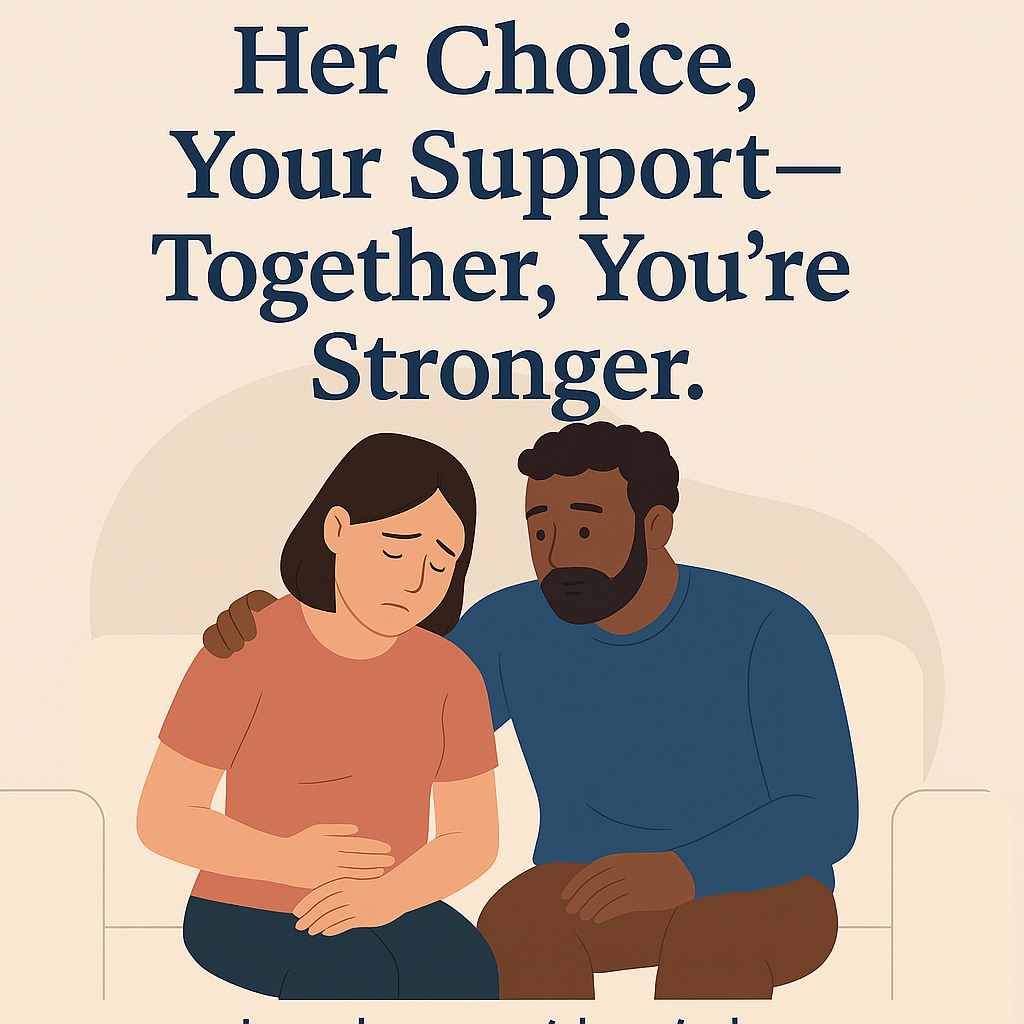
Listen to Their Perspective.
Give your partner space to share their thoughts, feelings, and concerns. Listen actively, and try to understand their perspective, even if you don’t agree with it. Avoid interrupting or dismissing their feelings, as this can create defensiveness and hurt.
Friendly Tip:
Consider having a joint brainstorming session with a paper and pen for each of you. Write down the pros and cons of your decision together. This exercise can help you:
- Gather your thoughts and clarify your feelings.
- Understand your partner’s perspective in a neutral and non-confrontational way.
- Identify potential areas of agreement and disagreement.
- Develop a deeper understanding of each other’s expectations and concerns.
By doing this exercise together, you can foster a more open, empathetic, and collaborative conversation.
Prepare Yourself for Different Reactions.
Your partner may react in various ways, ranging from support and understanding to shock, anger, or disappointment. Be patient, and remember that their reaction doesn’t define your decision. If your partner is upset or angry, try to understand the root of their emotions, and address their concerns in a calm and empathetic manner.
Addressing Common Concerns
Some common concerns partners may have include:
- Guilt and responsibility: Consider that your partner may feel guilty or responsible for the pregnancy or the decision to have an abortion. Be open to discussing these feelings, and reassure them that the decision is yours to make.
- Emotional impact: Your partner may worry about the emotional impact of the abortion on both of you. So, better discuss your feelings and concerns, and reassure them that you’ll face this challenge together.
- Plans: Your partner may worry about how the abortion will affect your future plans, such as starting a family or financial implications of having a child. Discuss your goals and aspirations, and reassure them that this decision won’t define your future.
- Societal stigma: Unfortunately, unmarried women in India may face significant stigma and judgment for their sexual choices. Be prepared to address these concerns and reassure your partner that your decision is legal and valid, regardless of your marital status.
Reiterating Your Decision
After discussing your partner’s concerns and feelings, reiterate your decision to have an abortion. Be clear and firm, while still being empathetic and understanding. Remember, your decision is yours alone, and you have the right to make it.
In India, abortion is legal for all women, regardless of marital status. The Medical Termination of Pregnancy (MTP) Act of 1971 and its amendments ensure that women have the right to choose. While societal stigma may still exist, it’s essential to remember that your decision is valid and legal.
By being open, honest, and empathetic, you can navigate this challenging conversation with your partner. Remember to prioritize your emotional well-being and seek support if needed.
Navigating Family Dynamics: How to Discuss Your Abortion Decision With Your Family?
Deciding to have an abortion can be a difficult choice although it’s one of the most personal choices one will ever make in life. When it comes to sharing this decision with your family, it can be even more challenging. Whether you’re married or unmarried, navigating family dynamics can be complex and emotionally charged.
For Married Couples:
If you’re married, you may feel obligated to discuss your decision with your family, particularly your parents or in-laws. However, it’s essential to remember that your decision is yours alone, and you should only share it with those you trust.
Before discussing your decision with your family, consider the following:
- Assess their values and beliefs: Be aware of your family’s stance on abortion and tailor your approach accordingly. You know it the best how to handle your family’s emotions and outside help can only guide you, but execution is yours to play. If you think your husband can convey the decision with more clarity displaying his support in your decision, it’s better to let him handle this.
- Choose the right time and place: Select a private, quiet spot where everyone can feel comfortable and won’t be interrupted.
- Stay clear and direct: Explain your reasons for choosing an abortion, and be specific about your feelings and concerns.
- Be prepared for different reactions: Your family may react with surprise, shock, anger, or disappointment. Be patient, and remember that their reaction doesn’t define your decision.
Friendly Tip:
Sharing the decision to have an abortion with family members can be unsettling, especially if you anticipate a negative reaction. If you feel that discussing your decision with your family would be too stressful or even dangerous, you have the option to maintain confidentiality.
You and your partner can seek a safe, legal, and confidential abortion service at a registered abortion centre, such as a private clinic. These clinics prioritize anonymity and privacy, ensuring that your personal information remains confidential. This way, you can make the decision that’s best for you and your partner without fear of judgment or repercussions.
Your partner is with you, that’s the family that must matter the most for you.
For Unmarried Individuals:
If you’re unmarried, you may not feel obligated to discuss your decision with your family, especially if you’re concerned about their reaction. In India, abortion is legal for unmarried women above 18 years with their sole consent. You have the right to make this decision without involving your family.
However, it’s essential to have a support system in place, such as a partner or friend, who can provide support during the post-abortion recovery period. It’s better to have someone be by your side even though the abortion journey is yours alone to take.
Introducing Gentle Care Abortion Services:
At our registered abortion clinic in Bangalore, we offer Gentle Care abortion services, providing a safe, legal, and confidential abortion experience. Our single-appointment, same-day discharge suction abortion procedure is available up to 12 weeks of pregnancy. And we have abortion options available up to 20 weeks into pregnancy.
This procedure is more efficient than abortion pills, eliminating the uncertainty of incomplete abortion. With a quick recovery, you can return home the same day without recognizable signs of abortion.
Our goal is to provide a supportive and non-judgmental environment for women to make informed decisions about their reproductive health. If you’re considering an abortion, we encourage you to reach out to us for guidance and care.
Confiding in Friends: Choosing the Right Support System:
While family members may have a biological connection, friends can often provide a unique kind of emotional support and understanding. When deciding whether to share your abortion decision with friends, it’s essential to choose those who will provide a safe, non-judgmental space for discussion.
Choosing the Right Friends:
Not all friends are created equal when it comes to sensitive topics like unwanted pregnancy and abortion. Consider the following factors when deciding which friends to confide in:
- Trustworthiness: Can you trust your friend to maintain confidentiality and respect your decision?
- Emotional maturity: Can your friend handle sensitive information and provide emotional support?
- Open-mindedness: Is your friend open to different perspectives and unlikely to judge you for your decision? Can you expect a non-judgmental discussion?
- Support System: Is your friend capable of supporting you in your decision and also if required can be physically present during your procedure? You may want someone to drive you back home after the procedure even if you obtain a same-day procedure. Although cabs are easily available and you may not actually need a friend to take you back home, having your friend can make a large difference by being physically, emotionally as well as mentally supportive of you during your trying time.
How to Share Your Decision with Friends?
If you’ve identified friend(s) who meet the above criteria, here are some tips for sharing your decision:
- Choose the right time and place: Find a private setting where you both feel comfortable and won’t be interrupted. It can be a ‘chai pe charcha’ or meeting over a ‘cup of coffee’ where you can easily tell your friend that going ahead with this pregnancy at this time of your life is not seeming like your ‘cup of tea’.
- Be clear and direct: Explain your reasons for choosing an abortion, and be specific about your feelings and concerns.
- You can expect different reactions: Your friend may react with surprise, support, or even disagreement. Be patient, and remember that their reaction doesn’t define your decision.
Listening to Your Friend’s Perspective:
While sharing your abortion decision with friends, it’s essential to have an open ear to their opinions and perspectives. Sometimes, friends can offer a fresh viewpoint that might impact your decision. Even if you’re firm in your choice, a supportive friend can act as a guiding angel, helping you explore safe abortion options.
We’ve seen many women visit our clinic with friends rather than family members. Some of these women initially considered unsafe abortion methods, such as buying abortion pills or visiting unqualified practitioners. However, their friends intervened, advising them against these dangerous options and helping them find safer alternatives.
We’ve had numerous patients express gratitude to their friends for encouraging them to reconsider their options and seek professional help. These friendships have made a significant difference in their lives, ensuring they received the care and support they needed during a challenging time.
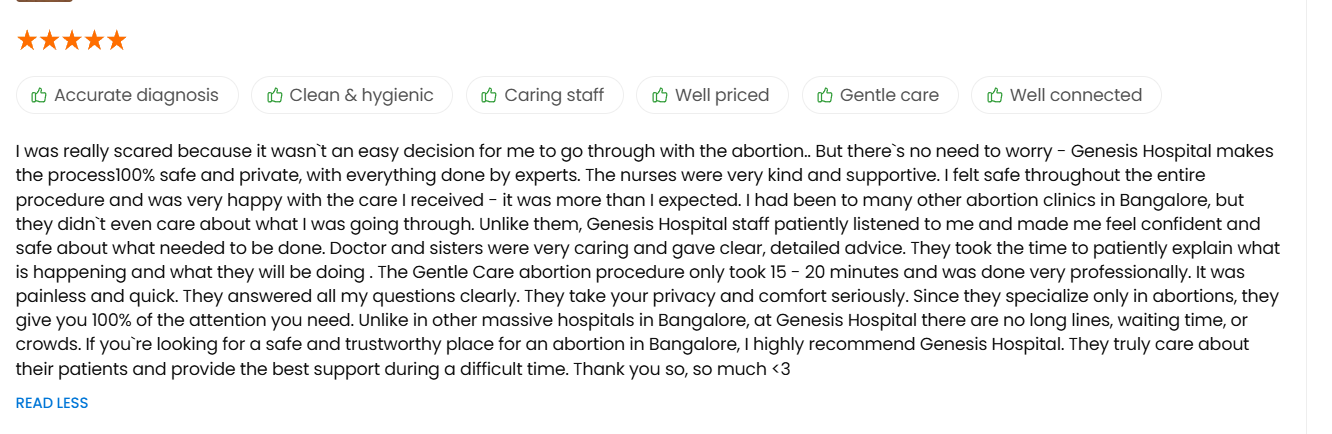
The Benefits of Confiding in Friends
Sharing your abortion decision with trusted friends can have several benefits:
- Emotional support: Friends can provide a listening ear, emotional validation, and support during a challenging time.
- Practical help: Friends can offer practical assistance, such as accompanying you to appointments or helping with daily tasks during recovery.
- Reducing feelings of isolation: Confiding in friends can help you feel less alone and more connected during a time when you may be feeling vulnerable.
By choosing the right friends and sharing your decision in a thoughtful and intentional way, you can build a supportive network that will help you navigate this challenging experience.
Setting Boundaries and Prioritizing Self-Care:
While seeking support from loved ones is essential, it’s equally important to set boundaries and prioritize self-care during this time. Here are some tips to help you maintain your emotional and physical well-being:
Learning to Say No
- Be mindful of your limits: Don’t take on more than you can handle, whether it’s emotional support or practical help.
- Set clear boundaries: Communicate your needs and expectations clearly with your loved ones.
- Practice assertive responses: Learn to say “no” or “not right now” without feeling guilty or apologetic.
Prioritizing Self-Care
- Take time for yourself: Engage in activities that bring you comfort, relaxation, and joy. Even though you may not be feeling like doing anything, it will be good to give a try. Try reading a good motivational book or a movie that can lighten your mood.
- Seek professional help: Consider counselling or therapy to process your emotions and develop coping strategies if you feel the need.
- Maintain physical health: Focus on healthy eating, regular exercise, and sufficient sleep to support your overall well-being.
Creating a Support Network
- Identify trusted allies: Surround yourself with people who respect your decision and offer emotional support.
- Join a support group: Connect with others who have gone through similar experiences to share abortion stories, advice, and encouragement.
- Online resources: Utilize reputable online forums, blogs, and websites to access information, guidance, and community support.
By prioritizing self-care, setting boundaries, and building a support network, you can navigate this challenging time with greater resilience and confidence.
Moving Forward: Rebuilding Relationships
After sharing your abortion decision with loved ones, you may face a range of reactions, from support and understanding to anger, disappointment, or even rejection. As you navigate these complex emotions and relationships, here are some tips to help you move forward:
Rebuilding Relationships
- Give it time: Allow relationships to heal and evolve.
- Communicate openly: Address any misunderstandings or concerns that may have arisen.
- Focus on shared values: Reconnect with loved ones over shared values, interests, and experiences.
Prioritizing Self-Compassion
- Practice self-care: Engage in activities that promote relaxation, stress reduction, and overall well-being like yoga, meditation, reading a good book, journaling, etc.
- Reframe negative thoughts: Challenge negative self-talk and reframe unhelpful thoughts into more balanced, compassionate ones.
- Celebrate your strength: Acknowledge and celebrate your resilience and courage in the face of adversity.
By prioritizing self-compassion and rebuilding relationships, you can move forward with greater confidence, resilience, and hope.
Let not your decision waiver due to stigma because, at the end of the day, you will have to go through the journey, whether it’s abortion or childbirth. Also, childbirth does not end a responsibility but is a beginning. So, if you consider going ahead with the pregnancy, remember to consider the physical, emotional, financial, professional and psychological effects of your decision.
This is your life, your choice and you have every right to choose what seems the best fit to your priorities and life. However, remember to make wise choices even if you are planning for the pregnancy termination. Avoid unsafe methods and choose safe, legal and confidential abortion services available at registered abortion centres near you.
Schedule an abortion in Bangalore appointment.
Related Posts:
- Abortion Pill Name and Options: Which One Is Best for You?
- “Can Abortion Cause Death? Examining the Evidence”
- Can Abortion Cause Uterine Fibroids: Ask the Doctor
- FAQs About Abortion at 2 Months: Everything You Need to Know
- Unwanted Kit Uses: How, Why, When & Why Not?
Quick Links:
- Respecting Your Choice: Confidential Abortion for DINK Couples
- Which diagnostic tests should you get before an abortion?
- How to Prevent Pelvic Inflammatory Disease with Abortion?
- What to do if you do not bleed after taking Unwanted Kit?
- Can you get pregnant if just the tip went in? What are abortion options?
