
Contents of This Post:
- What Does It Mean to Be 2 Months Pregnant?
- How to Prepare for an Abortion at 2 Months?
- What Are the Abortion Options at 2 Months?
- What to expect from Abortion at 2 Months?
Deciding to have an abortion is a personal and often difficult choice. If you’re two months pregnant, you may have questions about your options, what to expect, and how to prepare. This guide answers common questions to help you make an informed decision about your health and pregnancy.
At two months, abortion in Bangalore is a safe and legal option available at registered and certified MTP centres. The pregnancy is still in its early stages, making suction procedures highly effective. However, abortion pills are not equally effective. With each passing day and week, medical method become less effective increasing the possibility of incomplete abortion. Each method has its own set of procedures, advantages and factors to weigh.
You might wonder how long the process takes or how to manage potential side effects. Some worry about privacy, pain, or costs. Others ask about recovery and what to expect emotionally. These are valid concerns, and we aim to address them here.
We’ll also discuss safety, how to prepare, and what steps to take next. Knowing the facts can help you feel more confident and supported throughout the process. Remember, understanding your choices is key to a satisfactory medical experience.
This post focuses on providing clear, accurate, and practical information about abortion 2 months. If you’re feeling unsure or overwhelmed, you’re at the right place. With the right knowledge and resources, you can make a decision that feels right for you.
What Does It Mean to Be 2 Months Pregnant?
Being two months pregnant means you are in the early stages of pregnancy. This covers weeks 5 through 8 of your pregnancy. At this time, the embryo is still developing, and many physical changes are happening inside your body.
Pregnancy is measured in weeks starting from the first day of your last menstrual period (LMP). This means you are already about 4 weeks pregnant when you miss your period. By the second month, most people realize they are pregnant and start exploring their options.
Key Facts About Month 2 of Pregnancy:
Weeks Covered: Pregnancy at two months includes weeks 5, 6, 7, and 8.
Embryo Development: The embryo is still very small. If you are considering an abortion at 2 months pregnant, you may notice the fetus is just like a small tissue. Many women do not even notice that they have passed the fetus already.
At this stage, the pregnancy is still early. The embryo does not yet resemble a fully formed baby. The earlier development makes abortion procedures, such as medical and suction options, effective and less complex.
Symptoms You May Feel: Nausea, fatigue, breast tenderness, and mild cramping are common during this time.
Why Weeks 5–8 Matter?
These weeks are a part of the first trimester. This is the safest time for abortion if that’s your choice. Both medical and in-clinic methods work very well at this stage. The success rates are high, and the risks are low.
Knowing the timeline of your pregnancy can help you understand your options. If you are unsure about how far along you are, an ultrasound or a doctor for abortion can give you a clear answer. Moreover, it is best to get an ultrasound as soon as you find out that you are pregnant because it will not only clarify your pregnancy length but also rule out any possibility of ectopic pregnancy.
Ectopic pregnancies are increasing commonly these days for varied reasons. Every woman who gets pregnant with a planned or unplanned pregnancy should get an ultrasound as early as possible. This can help in early treatment without any complications of ruptured ectopic pregnancy. So, it can prevent a woman from losing her fertility and also life. To learn more about the diagnostic tests before abortion, you can visit: Which diagnostic tests should you get before an abortion?
How to Prepare for an Abortion at 2 Months?
Preparing for an abortion is important for your comfort, safety and convenience. Taking a few simple steps beforehand can make the process smoother and save you from last-minute anxiety. Here’s what to do:
Step-1: Confirm Your Pregnancy:
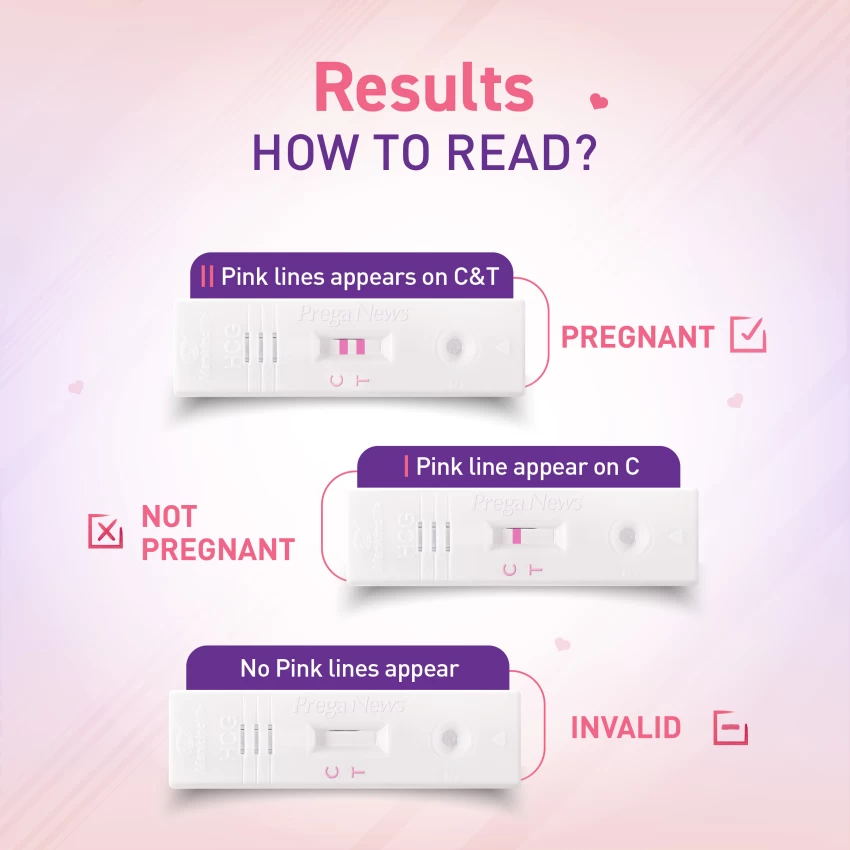
Take a home pregnancy test if you haven’t already if you have missed your period. If the pregnancy test is negative and the period is still not there, the guide at the following link can help you learn your options: Negative pregnancy test? No periods yet? What to do?
If you have a positive Preganews test or any other home pregnancy test kit that gives you a positive, plan to visit a healthcare provider to confirm your pregnancy and its duration. An ultrasound may be recommended to determine how far along you are and also rule out any complications like that of an ectopic pregnancy. Knowing your exact stage of pregnancy and location helps your doctor choose the best method for abortion for you.
Step-2: Understand Your Options:
Learn about medical and suction abortion methods available for terminating pregnancies at two months, details of which will follow in the upcoming section. Your doctor can analyse your medical condition and help you learn which option is suitable for your situation.
Consider factors like recovery time, personal preference, pain, fatigue, discomfort, efficiency and the cost of abortion. Making an informed decision is easier when you understand both procedures. The doctor can help you in learning about the pros and cons of each. This will help you figure out what seems in your best interest depending on your priorities and expectations with abortion care.
Plan Your Visit or At-Home Process:
If choosing a medical abortion, find a private, comfortable place to take the pills and rest. It can be your home, your place of accommodation, a homestay or a hotel as convenient for you. But you may not know when the abortion is complete until the bleeding stops. And this may take a few days.
Also, if it results in an incomplete abortion, stay in touch with the doctor as you will need to undergo a surgical procedure to complete the abortion and remove pregnancy remnants.
For a suction abortion, schedule an appointment at a trusted clinic.
Get Genesis Hospital reviews and try to learn what previous patients have to say about the process and the abortion care received. This can help you select the best abortion hospital for your abortion 2 months.
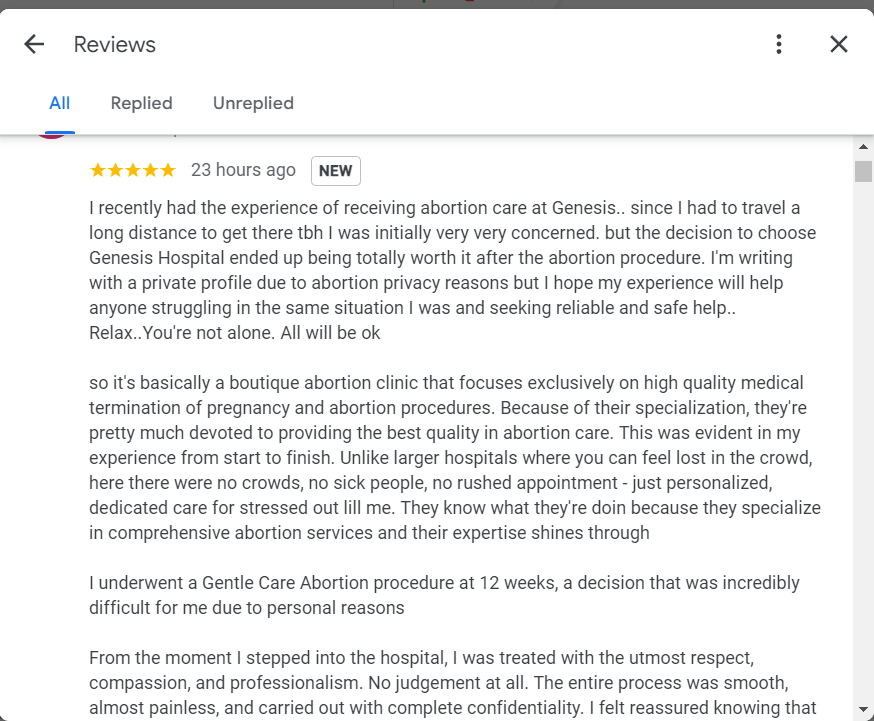
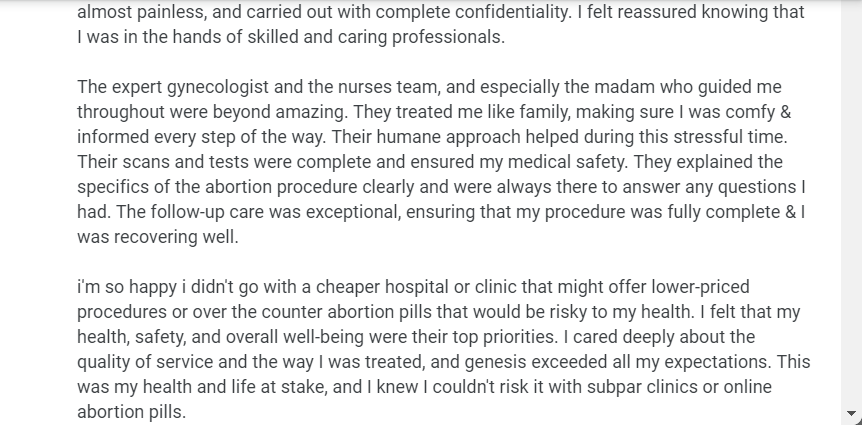
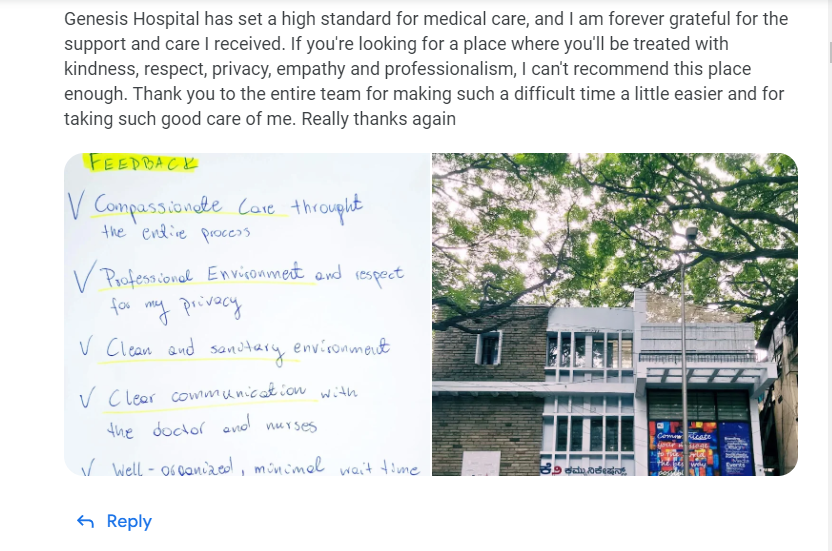
Arrange for someone to accompany you if you want support. Seek available facilities at the hospital, and inquire about what to bring or not necessary at all for an OPD procedure. If you have a medical condition, take its records to help the doctor assess and manage your medical condition during the procedure.
Plan whether you’ll be going back home after discharge or would like to stay for a day at a homestay or hotel before returning home. Having a plan in place helps you feel more in control.
Step-3: Prepare for Recovery:
Stock up on essentials like sanitary pads, pain relief medication, and snacks. Keep a heating pad handy for cramps. Clear your schedule for at least a day to rest after the procedure. Resting after the abortion will help your body recover more quickly. However, with a medical abortion, you may not know beforehand how many days will it take to complete the process. So, you may find it difficult to manage your schedule, especially if you are a student, a professional or any working woman.
Many women therefore opt for a quicker resolution with a Gentle Care suction abortion rather than anxiety driven by the success of the procedure with any MTP kit.
Know Who to Contact:
Have the contact information of your healthcare provider or clinic. If you are undergoing a medical abortion at home, having your abortion doctor’s contact ready can help you in case of any need or query. She can clear any concerns and help manage any unexpected outcome.
Ask about emergency signs, such as excessive bleeding or severe pain. Keep their guidance sheet or aftercare instructions easily accessible. Being prepared ensures you can reach out for help if needed.
Take Care of Yourself Emotionally:
Remember, it’s okay to feel a mix of emotions and it is a normal part of any medical process. Besides, we go through emotional troughs and crests throughout our lives and it is just a chapter of your story, not the whole story. It cannot dictate who you are or let anyone judge you based on your situation. Standing up for yourself emotionally can help you in early recovery and maintain your strength.
Talk to someone you trust or consider professional counselling if needed. If you fear prejudice or any partial treatment, it may be better to look for an abortion clinic that can offer complete privacy and confidentiality. Look for specialized abortion clinics because they may have staff that is taking care of abortion patients only which can help ease down your fear of being judged or of partial treatment.
Many unmarried women often resort to unsafe abortions and put their health at risk due to the fear of partial treatment or facing any immoral treatment due to prejudice. Such women too can opt for specialized clinics that offer abortion for unmarried services in a non-judgmental space maintaining patient privacy and confidentiality.
Abortion in India is legal for all women alike at 2 months and up to 20 weeks regardless of their marital status or nationality. So, you too can obtain an abortion at 2 months safely at a registered abortion centre even though you are married or unmarried at the time of the abortion. Furthermore, you can get the abortion with your consent as an adult without having to involve your partner or parents in the decision.
Focus on what feels right for you. Preparation is key to making the experience manageable and safe.
What Are the Abortion Options at 2 Months?
At two months, you have two main abortion options: medical abortion and suction (aspiration) abortion. Both are safe and effective during this stage of pregnancy. The choice depends on your preference, health, and access to care.
Medical Abortion:
A medical abortion uses abortion pills, Mifepristone and Misoprostol to end a pregnancy. It does not involve surgery or anesthesia. Mifepristone blocks the hormone progesterone, which is essential for the pregnancy to continue by supplying the fetus with the necessary nutrition. The doctor may advise you to take it orally whenever you are considering a medical abortion, but usually until the 6th week only.
Misoprostol, often coming as 4 tablets as in the Unwanted Kit or any MTP kit causes the uterus to contract and expel the pregnancy tissue. The patient receives the guidance on time gap after taking Mifepristone from the doctor to take these tablets. It may vary according to the patient’s specifics. The usual time to take it is at a stretch of 24-72 hours after having taken the Mifepristone tablet. Alongside, the patient will receive guidance on how to take the abortion pills.
Some registered MTP centres may offer to have you at the hospital while you bleed out the fetus. But most clinics either prescribe the MTP kit or give it to the patient to take at home.
What next?
After taking the pills, you may experience cramping, bleeding, and clotting, which can vary for women and with different pregnancies of the same woman. This is a normal part of the process. However, the doctor will inform you during your abortion consultation as to what to expect, details on Unwanted Kit bleeding time, how the abortion bleeding looks like and what is normal. Still, if you feel something different happening with you other than expected, please consult your abortion provider immediately.
Usually, the bleeding may last a few days to a few weeks but if it lasts beyond day 7, it can be because of an incomplete abortion. Although abortion pills are effective, but they are not as efficient as the Gentle Care suction abortion method.

Abortion pills have a failure rate of nearly 7-8%. Its failure rate increases with an increase in the pregnancy length and hence, usually, doctors do not prefer this abortion method beyond 6 weeks. So, it is important to follow up with your healthcare provider to ensure the process is complete.
Suction Abortion (Vacuum Aspiration)
Suction abortion is a simple in-clinic procedure to terminate an intrauterine pregnancy that is equal to or less than 12 weeks. It usually takes about 5-10 minutes to completely remove the pregnancy tissue and complete the abortion.
The doctor will use gentle suction to remove the pregnancy tissue from the uterus. Local anesthesia or sedation is often available to make you more comfortable. You may feel some pressure or cramping during the procedure, but it’s generally quick and straightforward. Recovery time is short, and most people return to their normal activities within a day or two.
At Bangalore Genesis Hospital (BGH), you can take discharge on the very same day after resting for a while in your private room. Also, you can get a Copper-T just after the abortion on the same appointment. It offers long-lasting, safe and cost-friendly contraception.

This method is highly effective, with a success rate of nearly 100% at two months of pregnancy. It is also a good option if you prefer a more immediate resolution without having to wait for abortion completion for days. Besides, it doesn’t involve any discomfort for days like with a medical abortion. And one can resume routine at the earliest.
Both options are safe, but they have different processes, recovery times, and emotional impacts. Understanding these differences can help you choose the method that works best for you. In addition, your doctor can ascertain your eligibility for each method. Accordingly, she can prescribe the best abortion method that suits your health and personal preferences.
What to Expect During an Abortion at 2 Months?
Understanding what happens during an abortion can help you feel more prepared. Whether you choose a medical abortion or a suction abortion, knowing the steps involved will reduce anxiety and make the process smoother.
Medical Abortion: What to Expect?
A medical abortion involves two main steps:
Taking the First Pill (Mifepristone): You take this pill at a clinic or at home, depending on your choice. Most people do not feel any immediate side effects after this step.
Taking the Second Pill (Misoprostol): You take this pill(s) 24 to 48 hours after the first one as guided by your doctor at home or in-clinic depending on the clinic’s facilities for medical abortion and your preferences. Cramping and bleeding usually start within a few hours. You may pass clots and the fetal tissue, which is a normal part of the process.
You will need pads for bleeding, which may be heavy for a day or two. After that, the flow will lighten. You may feel nausea, fatigue, or chills, but these symptoms usually go away within a few days.
You will receive post-abortion medicines for managing pain and to make up for the blood loss. Besides, you need to take care of personal hygiene to ensure that any infection does not set in. The abortion doctor may also prescribe some antibiotics as a prophylactic to prevent infections.
Suction Abortion (Aspiration): What to Expect?
A suction abortion is done in a clinic. Here’s what happens:
Before the Procedure:
The provider will explain the steps and answer your questions. You may receive local anesthesia or light sedation to minimize discomfort.
During the Procedure:
The abortion doctor uses gentle suction to remove the pregnancy tissue from the uterus in which either the suction will be created manually or using an electric-driven motor. Both are nearly the same with a slight difference in manual pressure allowing the doctor to manage the pressure. The process takes about 5 to 10 minutes. You may feel pressure or mild cramping, similar to menstrual cramps.
After the Procedure:
Light bleeding and cramping may continue for a few days. You rest in the clinic for a short time before going home in your private room, if you choose a private abortion centre near you.
In government hospitals, there may be waiting and you may not be able to get the abortion on the same appointment. Besides, you may also have to stay overnight or even share the recovery room with other patients. This can compromise your privacy and the want for a confidential abortion.
Therefore, please weigh your options while selecting the abortion hospital near you. Here’s a guide how to select the abortion clinic near you: 9 Criteria To Use While Choosing Your Gynaecologist for Abortion in Bangalore
Most people return to normal activities within a day or two. Even women who are eligible for medical abortion can opt for Gentle Care suction abortion if they are seeking a more comfortable and quick abortion experience that can get them to the routine at the earliest. Moreover, it gives them the confidence of a successful procedure not having any requirement for the follow-up before they even leave the hospital premises.
 Schedule an abortion appointment.
Related Posts:
- Considering abortion in Bangalore at 8 weeks?
- Considering abortion in Bangalore at 7 weeks?
- What to do if you do not bleed after taking Unwanted Kit?
- Considering abortion in Bangalore at 4 weeks?
- Considering an abortion in Bangalore at 5 weeks?
Quick Links:
- Can the pull-out method prevent an unwanted pregnancy?
- Respecting Your Choice: Confidential Abortion for DINK Couples
- How to Prevent Pelvic Inflammatory Disease with Abortion?
- Can you get pregnant if just the tip went in? What are abortion options?
- Can abortion cause PCOS? The Abortion Doctor Answers
