
Contents of This Post:
- Understanding the Pull-Out Method: What may seem simple can have risky consequences.
- Effectiveness, Limitations & Factors Affecting Reliability
- Potential Risks and Complications
- What to do when the pull-out method fails and results in unwanted pregnancy?
Many couples rely on the “pull-out method” (also known as withdrawal) as contraception. Men may suggest this method for various reasons: convenience, avoiding the “feel” of condoms, or even a lack of awareness about other contraceptive options.
Likely, if you are planning to use this method to prevent an unwanted pregnancy, you are not using other forms of contraception. This may be due to a lack of awareness or personal misbeliefs. However, it’s crucial to understand that the pull-out method is highly unreliable and carries a significant risk of unintended pregnancy.
Let’s speak about some facts and some considerations before you decide to opt for a pull-out to prevent an unwanted pregnancy.
The Pull-Out Method: A Simple Act, Risky Consequences
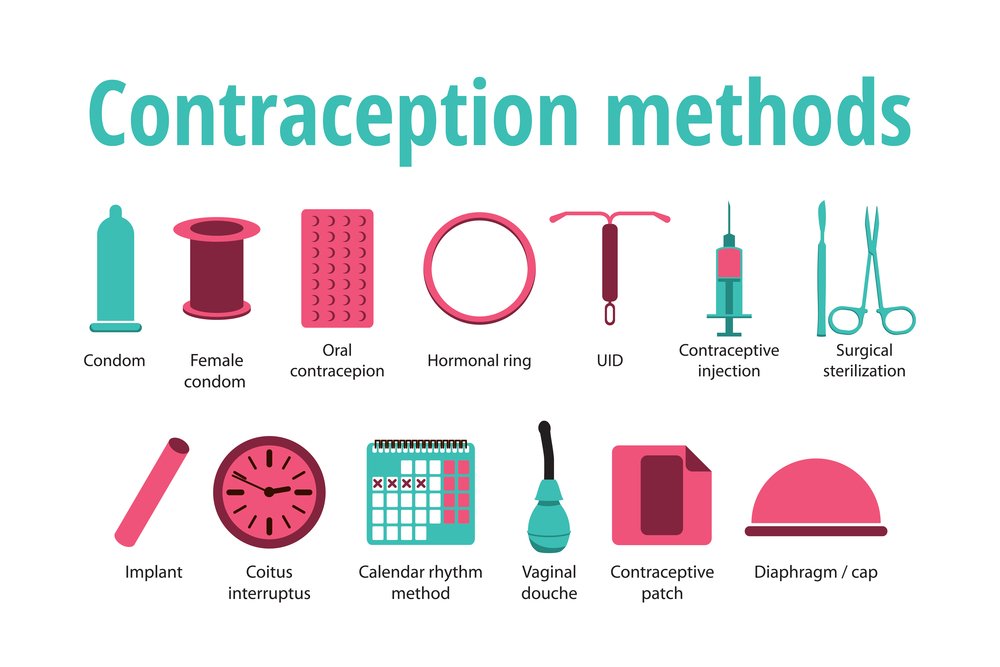
The pull-out method, also known as withdrawal or coitus interruptus, is a birth control method. In this method, the penis is withdrawn from the vagina just before ejaculation. The goal is to prevent sperm from entering the cervix and fertilizing an egg.
How does the pull-out method work?
Although the pull-out method sounds natural, easy, and free, it is not easy to pick and is unreliable. Here’s a little bit about what it involves, speaking generally of the mechanics involved in the method.
- Sexual Intercourse: Penetration of the vagina with the penis occurs as usual during sexual intercourse.
- Approaching Ejaculation: As the man feels himself nearing orgasm, he attempts to withdraw his penis entirely from the vagina before ejaculation.
- Withdrawal Timing: Ideally, the man should withdraw completely before any semen is released. This includes pre-ejaculate fluid, which can also contain sperm.
Effectiveness, Limitations & Factors Affecting Reliability:
The pull-out method relies on several factors that can be difficult to control, making it a highly unreliable form of contraception. They may opt for this method of birth control owing to several factors like convenience, pleasure and ease. Let’s discuss the misconceptions and the facts involved.
Convenience:
What do people believe?
Many people mistakenly believe that the pull-out method is a simple and easy-to-use form of contraception. Since the technique doesn’t involve any external devices which may or may not always be available for the moment, this seems an easy approach.
Fact:
The reality of the pull-out method is far from simple. It carries challenges and its limitations can cause unexpected troubles.
- Requires Perfect Timing: The pull-out method requires precise timing and self-control. Withdrawing the penis immediately before ejaculation demands significant awareness and coordination, which can be challenging in the heat of the moment.
- Psychological Factors: Sexual arousal and the intensity of the moment can make it difficult to maintain focus and control.
- Pre-Ejaculate Fluid: Pre-ejaculate fluid, also known as precum can contain sperm, making it crucial to withdraw before any fluid is released. This further complicates the successful use of the method.
- Lack of Communication: Open and honest communication about contraception can be crucial. However, some couples may feel awkward or uncomfortable discussing the pull-out method and its limitations.
- Individual Differences: Ejaculatory control varies significantly between men. Some men may struggle to withdraw in time consistently.
In essence, the pull-out method requires a high degree of self-awareness, discipline, and communication between partners. It’s a complex and unreliable form of contraception that should not be relied upon as the sole method of preventing pregnancy.
According to a study, the pull-out method has a typical failure rate of around 22%. So, 22 out of 100 women who rely on this method for a year will become pregnant. This failure rate is significantly higher compared to more reliable contraceptive methods like condoms (around 82% effective) and birth control pills (around 99% effective).
Reduced Sensation:
What do people believe?
Some couples, particularly men believe that condoms can diminish sexual pleasure.
Fact:
This is a common misconception. Here’s why:
- Modern Condoms are Designed for Comfort: Today’s condoms are made from thin, latex or polyurethane materials. Also, they are designed to be comfortable and discreet.
- Enhanced Sensitivity: Enhanced sensitivity is a feature of some condom designs that can improve pleasure for both partners.
- Maintaining Intimacy: Using condoms can enhance intimacy by reducing anxiety about unwanted pregnancy and sexually transmitted infections (STIs).
- Open Communication: Discussing contraception openly with your partner can improve communication and intimacy.
It’s important to experiment with different types of condoms to figure out what works best for you. Above all, the potential risks of unintended pregnancy and STIs far outweigh any perceived reduction in pleasure. Choosing to use condoms is a responsible and healthy decision that prioritizes both your physical and emotional well-being.
Lack of Awareness:
What do people believe?
Misconceptions about fertility and sperm can lead to a false sense of security regarding the pull-out method. Some men may believe they have excellent control over ejaculation. In addition, couples lack awareness of any presence of sperm in the precum or on the tip. Often, they believe that a woman cannot get pregnant with just the tip in.
Fact:
It cannot be easy to maintain this control consistently, especially during heightened arousal. Many couples may not fully understand the risks associated with the pull-out method. Also, they may underestimate the chances of pregnancy. Additionally, most people are unaware of the fact that even precum can contain sperm. Also, the tip can contain sperm and it only takes one sperm to fertilize the ovum and lead to a pregnancy.
There is also a lack of understanding and knowledge on the fertile window or for how long can a sperm be available to fertilize the ovum. Due to the stigma and taboo surrounding information on safe sex practices, people often get into disbelief.
Little do they know about reliable contraception methods and how safe sex practices not only prevent unwanted pregnancies but also prevent the occurrence of multiple sexually transmitted Diseases (STDs) just like HPV itself. Have you got yourself vaccinated against the Human papillomavirus (HPV) vaccine yet? Ensure you get it as soon as possible.
The Illusion of “Free” Contraception:
What People Believe?
Many people mistakenly believe that the pull-out method is a “free” form of contraception, as it doesn’t require any financial outlay for devices or medications. However, this perception is misleading.
The Fact:
-
The Hidden Costs of Unintended Pregnancy:
An unplanned pregnancy can have significant financial implications, including prenatal care & childbirth. Costs associated with prenatal checkups, ultrasounds, and other necessary medical care if you decide to proceed with the pregnancy. Delivery costs, including hospital fees, doctor’s fees, and medications will follow. The ongoing costs of childcare, including daycare, babysitting, and educational expenses are just to begin with when raising a child.
Financial constraints are a major reason for avoiding pregnancy but the pull-out method may not be a reliable choice.
-
Potential Costs of Complications:
If an STI is contracted due to the failure of the pull-out method, the costs of diagnosis and treatment can be substantial.
-
Costs Associated with Abortions:
If an unintended pregnancy occurs, seeking abortion services will come at a cost. And unsafe abortion attempts come at furthermore price than you can imagine in terms of health and life.
While the pull-out method may seem like a cost-free option, the potential financial and emotional costs associated with unintended pregnancy and/or STIs can be substantial.
Potential Risks and Complications with Pull-out Method:
Now, let’s discuss the potential risks with the pull-out method which seems easy but as we all know, “Easier said than done”.
Unintended Pregnancy:
Well, you may be trying the pull-out method most likely only to avoid the pregnancy. But, here’s some information to open your eyes:
High Failure Rate:
The most significant risk is unintended pregnancy. Timing withdrawal perfectly can be challenging. If ejaculation begins even slightly inside, sperm can enter the vagina. Studies have shown that the typical-use failure rate of the pull-out method is around 22%.
Pre-ejaculate Fluid:
Before ejaculation, the male body releases a fluid to aid lubrication. This fluid can contain sperm, which may lead to pregnancy even if the male withdraws on time.
Inconsistent Use:
Maintaining perfect control over ejaculation in the heat of the moment is extremely challenging. Factors like alcohol consumption, fatigue, and emotional arousal can significantly impact a person’s ability to withdraw in time. Additionally, if the female partner is ovulating, the chances of pregnancy significantly increase. This method does not account for the fertile window.
Lack of STI Protection:
The pull-out method does not provide any barrier against sexually transmitted infections, unlike the barrier methods. This is one of the most significant shortcomings of the withdrawal method.
- Transmission through pre-ejaculate fluid: Diseases like chlamydia, gonorrhea, and HIV can spread through pre-ejaculate fluid. Even if pull-out timing is perfect, the risk of transmission remains.
- Skin-to-skin contact: STIs like herpes, human papillomavirus (HPV), and syphilis spread through skin contact. Using the pull-out method does nothing to reduce this risk.
- Asymptomatic infections: Many people carry STIs without symptoms. A person may unknowingly transmit an infection to their partner during unprotected intercourse.
Here are some STIs which can be prevented with sheat protection besides an unplanned pregnancy.
Chlamydia and Gonorrhea:
These bacterial infections spread easily through vaginal, anal, or oral sex. If left untreated, they can cause pelvic inflammatory disease (PID) in women, leading to infertility or chronic pelvic pain. In men, they can lead to painful infections in the urethra or testicles.
Human Immunodeficiency Virus (HIV):
HIV is communicable and usually spreads through bodily fluids, including semen and also precum. Without treatment, it weakens the immune system, leading to acquired immunodeficiency syndrome (AIDS). Antiretroviral therapy (ART) can manage HIV, but prevention is the best approach.
Herpes Simplex Virus (HSV):
Herpes spreads through skin contact, even when no visible sores are present. It causes painful blisters or ulcers in the genital area.
Human Papillomavirus (HPV):
HPV is the most common STI globally. Some strains cause genital warts, while others can lead to cervical, anal, or throat cancer. Vaccination can prevent certain high-risk HPV strains, but barrier methods offer the best protection during intercourse.
Syphilis:
Syphilis spreads through sores, which can appear on the genitals, mouth, or anus. Left untreated, it progresses through stages, eventually affecting the brain, heart, and other organs. Early detection and treatment are crucial for anyone with the condition. Using barriers during intercourse can prevent syphilis.
Trichomoniasis:
This parasitic infection often causes itching, burning, or unusual discharge. Again, preventable with a barrier.
Hepatitis B and C:
Both viruses can spread through sexual contact, leading to liver damage. Chronic infections increase the risk of liver cancer or cirrhosis. Again, preventable with a barrier.
Emotional and Psychological Impact:
Apart from unwanted pregnancy and STIs, using this method can also stretch relationships owing to psychological impact.
- Anxiety and Stress: The male partner must time withdrawal perfectly every time, which can lead to pressure and performance anxiety. Besides, the constant worry about potential pregnancy can create significant anxiety and stress for couples, also reducing sexual satisfaction.
- Relationship Strain: The pressure to successfully use the pull-out method can strain the sexual relationship and create tension between partners.
- Emotional Toll of Unintended Pregnancy: An unplanned pregnancy can have a significant emotional and psychological impact on individuals and couples, especially unmarried couples, live-in partners and DINK couples. Both partners may experience guilt, stress, or depression if the method fails.
The pull-out method is not a reliable form of contraception and carries significant risks of unintended pregnancy and emotional distress. It’s crucial to explore more effective and reliable contraceptive options, such as condoms, birth control pills, IUDs, or implants.
What to do when the pull-out method fails and results in unwanted pregnancy?
The pull-out method is a widely used contraception technique, but it carries a significant risk of failure. When this method fails and results in an unwanted pregnancy, it is crucial to act promptly and make informed decisions. If you’re in this situation, consider the following steps to ensure your physical and emotional well-being.
1. Confirm the Pregnancy:
Before proceeding with any decisions, confirm the pregnancy.
- Home pregnancy tests: These are easily available and provide quick results.
- Clinical confirmation: Visit a healthcare provider to confirm the pregnancy through a blood test or ultrasound.
Furthermore, it can detect any case of ectopic pregnancy early which can be treated with medicine at an early stage. If late, surgery is the only option. Besides, it can also lead to life-threatening situations if it ruptures which can not only impact the woman’s fertility but can also be fatal.
Early confirmation is critical to evaluate your options and proceed within the permissible timeframes for safe abortion.
2. Reflect on Your Options:
Unwanted pregnancy leaves you with three primary options:
- Continue the pregnancy: If you choose this, consider support systems, parenting resources, or adoption.
- Adoption: You can carry the pregnancy to term and place the child for adoption if parenting is not an option.
- Safe abortion: This is a common choice for many facing unintended pregnancies. Safe abortion is a legal and medically supervised procedure to terminate pregnancy.
3. Choose Safe Abortion Methods:
If you decide to end the pregnancy, it is essential to prioritize safe and legal options. Here are the medically approved abortion methods for a safe and legal abortion in India up to 20 weeks. So, please refrain from any unsafe abortion method like buying an Unwanted Kit or any other form of self-medication with abortion pills.
A. Medical Abortion (Pill-Based):
Suitable for early pregnancies, medical abortion is an option for pregnancies up to 6 weeks if the pregnancy is intrauterine. It involves taking two tablets from the MTP Kit – mifepristone and misoprostol. Mifepristone blocks pregnancy hormones, and misoprostol induces uterine contractions to expel the pregnancy.
The procedure is non-invasive and can be done at home under medical supervision. It mimics a natural miscarriage and is non-invasive. However, it carries the risk of incomplete abortion and also comes at the cost of abdominal cramps, pain and heavy bleeding.
With a medical abortion, it is necessary to ensure follow-up with a healthcare provider to confirm that the abortion is complete and to monitor for complications like excessive bleeding or infection.
B. Surgical Abortion:
Two common surgical methods include suction aspiration and dilation and curettage (D&C).
Suction aspiration: This is performed up to 12 weeks of pregnancy. A gentle suction device removes the pregnancy tissue from the uterus.
Dilation and curettage (D&C): This is used for later-term pregnancies. The doctor first dilates the cervix to open it up and then uses a surgical instrument to remove the pregnancy tissue.
Surgical abortions are highly effective, quick, and safe when performed by licensed professionals in a sterile environment taking care of all the guidelines issued by the World Health Organization (WHO) for safe abortions. Most people recover quickly and can resume normal activities within a day or two.
4. Understand Legal and Access Considerations:
Abortion laws vary by country, so understanding your local regulations is crucial. India offers very liberal women-friendly abortion rules and hence, women from across the globe can obtain a safe, legal and confidential abortion at the best abortion hospital.
Not all countries permit abortion by choice or for casual reasons such as the failure of the pull-out method used as contraception. Luckily, India allows abortion for the reason of contraceptive failure and you too can get one after the failure of the pull-out. Sadly, countries like the UAE, Philippines, Sri Lanka, Oman, Bahrain, Kuwait, Malaysia, Qatar and Mauritius do not allow legal abortions, either to their citizens or expats.
Additionally, gestation limits can also vary within countries where abortion is legal for certain circumstances. Besides, the legal limit on gestation age, some places may require parental consent, waiting periods, or counselling sessions.
If abortion is restricted where you live, consider travelling to countries or states with more liberal laws. Research clinics and ensure you visit a reputable facility. Consider reviewing Genesis Hospital Reviews and get insights on the kind of facility as well as the patient care.
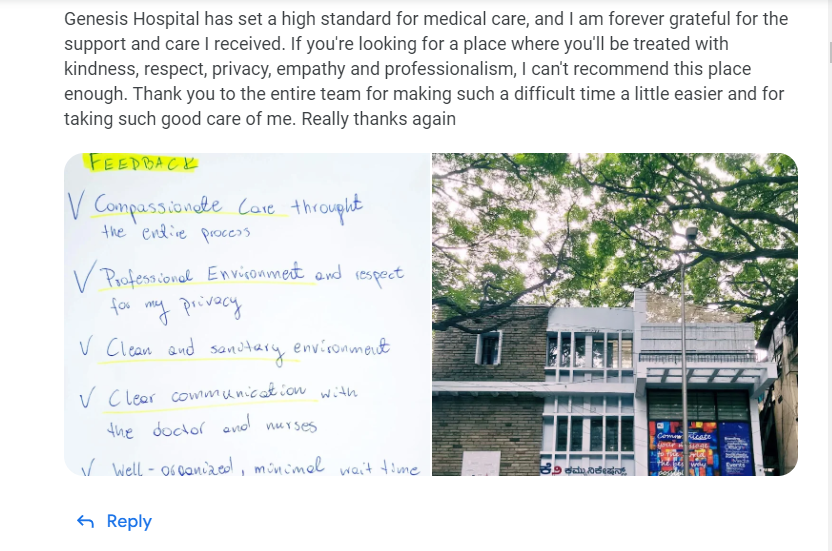
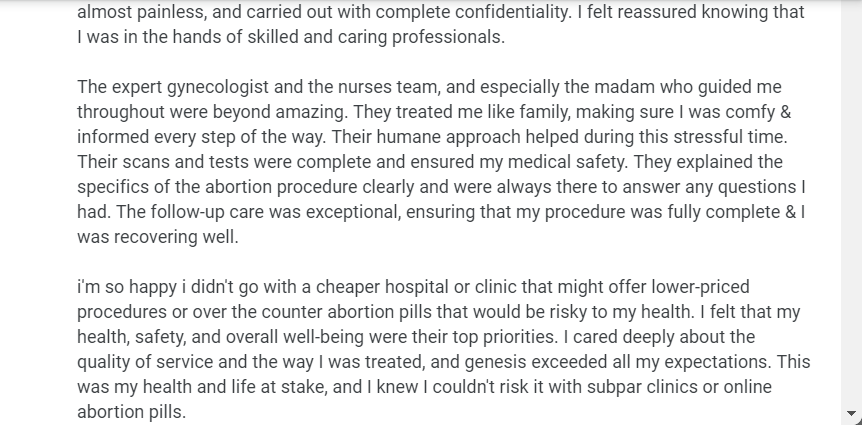
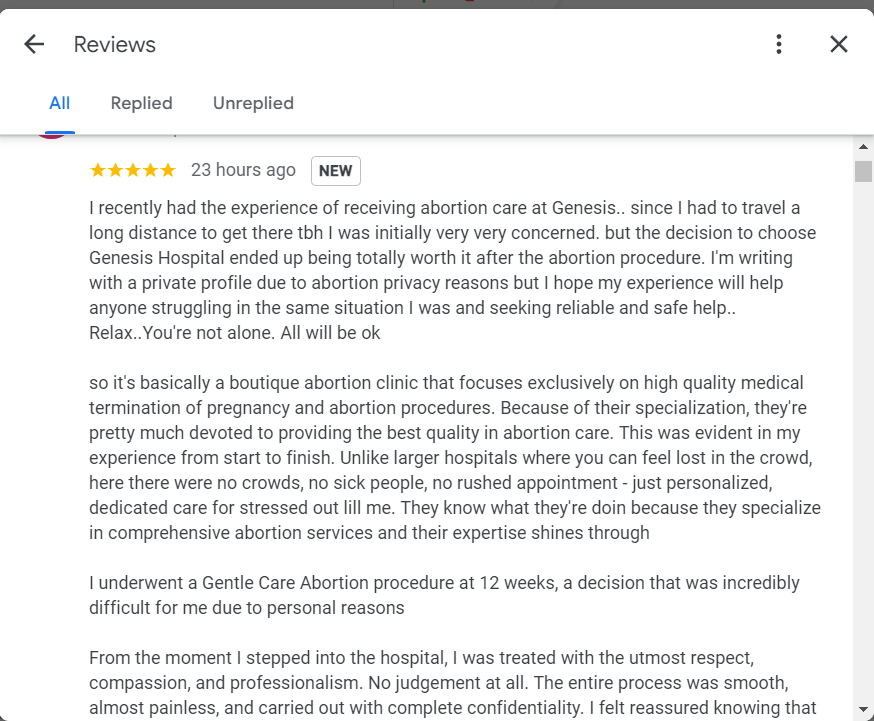
Besides, abortion in Bangalore allows you to get an abortion even as an unmarried woman with your consent only (above 18 years).
5. Emotional and Psychological Support
Unplanned pregnancies and the decision to abort can be emotionally challenging and many couples may need support to process their feelings. So, it may be better to share your concerns with your partner, friend, or family member who can provide emotional support and guidance into the available options. Or you can talk to the doctor for a neutral opinion.
6. Follow Up on Post-Abortion Care
After an abortion, prioritize your health and recovery. Rest for a few days, and avoid heavy physical activity and any kind of stress. Follow your doctor’s instructions on managing pain or side effects and also on rapid recovery.
Watch for signs of complications like heavy bleeding, fever, or severe abdominal pain. Seek medical help immediately if these occur without fail or any delay.
Furthermore, take care of your emotional well-being also because you will need to get back to a normal routine for a confident and happy life ahead. It’s normal to feel a mix of emotions after an abortion and giving yourself time to heal emotionally can be the best approach. But try to stay positive as it can expedite your recovery.
7. Prevent Future Unwanted Pregnancies
After dealing with an unwanted pregnancy, consider more reliable contraception methods to avoid similar situations in the future.
Birth control methods like intrauterine devices (IUDs), implants, or contraceptive pills are more effective than the pull-out method. You can also opt for Copper-T just after the abortion if you are availing of Gentle Care abortion at Bangalore Genesis Hospital (BGH). It can offer you protection from unwanted pregnancies for up to 10 years.

Condoms protect against both pregnancy and sexually transmitted infections (STIs). So, using sheat protection can ensure your safety against STIs even after getting an IUCD. You can also combine barrier methods with hormonal contraception for added security if IUCD is not your choice.
To ensure another layer of protection, keep emergency contraception pills on hand for use within 72–120 hours after unprotected sex.
8. Avoid unsafe methods:
Do not resort to unverified home remedies or illegal clinics, as these can lead to severe health complications or even death. Many people opt for illegally purchased abortion pills or remedies like papaya for abortion only to end up with certain complications like incomplete or failed abortion or heavy bleeding.
Unsafe clinics can also cause internal injury leading to further serious complications, both to health and life.
When the pull-out method fails, and an unwanted pregnancy occurs, you must act promptly. Confirm the pregnancy, explore your options, and prioritize your health and safety. If abortion is your choice, ensure it is performed legally and safely. Seek emotional support and focus on recovery. Finally, take proactive steps to prevent future unintended pregnancies by using reliable contraception.
Schedule a consultation appointment.
Related Posts:
- Unwanted Kit Uses: How, Why, When & Why Not?
- Which diagnostic tests should you get before an abortion?
- What to do if you do not bleed after taking Unwanted Kit?
- Can abortion cause PCOS? The Abortion Doctor Answers
- Want to Know the Abortion Pill Cost? We’ve Got You Covered
Quick Links:
- Flights for Bengaluru
- Abortion Doctor for 40 yrs Explains Transition of Painful Abortions to Painless Abortions
- MTP Procedure Cost: How to Choose Cost-effective Abortion
- The news on Preganews: Surprise or Shock? What To Do?
- Negative pregnancy test? No periods yet? What to do?
