
Contents of This Post:
- The E-consult Advantage: Initial Assessment & Guidance
- Limitations of E-consults in Reproductive Health & The Crucial Need for In-Person Evaluation
- Addressing Common Concerns: Unplanned Pregnancy & Abortion
- Beyond E-consults: The Path to In-Person Care
- The Dangers of Delay and Risks with Self-Treatment
- Ensuring Safe and Accessible Care: The Role of Healthcare Providers
Despite the increasing need for sexual and reproductive healthcare, a significant gap persists in knowledge and access. A study revealed a 139% growth in sexual health e-consults year-over-year. The numbers clearly reflect growing demand for accessible and discreet healthcare. Notably, 41% of all e-consults received last year pertained to Sexual and Gynaecology, highlighting the critical nature of these concerns.
Within this segment, abortion and unplanned pregnancy emerged as prominent topics. The same underscore the need for improved access to comprehensive reproductive healthcare services. The data further indicates a significant demand from non-metro cities besides the metros Bangalore, Chennai, Pune, Delhi NCR, Hyderabad and Mumbai. This indicates patients travelling to distant places for healthcare needs.
E-consults have emerged as a valuable tool in modern healthcare, offering convenient access to specialist advice. In the realm of reproductive health, particularly for sensitive issues like abortion and unplanned pregnancy, e-consults can play a crucial role in initial assessment and guidance.
However, it’s crucial to recognize the limitations of e-consults in these critical situations. While they can provide preliminary information and address immediate concerns, many reproductive health issues necessitate in-person evaluation and intervention.
This blog post will explore how e-consults can effectively serve as a gateway to in-person care ensuring women receive the comprehensive and personalized support they need during their trying times.
The E-consult Advantage: Initial Assessment & Guidance:
E-consults offer several key advantages in reproductive healthcare. They provide convenient access to healthcare professionals, allowing individuals to connect with doctors from the comfort of their homes. Here are a few advantages of e-consults.
Enhanced Accessibility:
E-consults break down geographical barriers, allowing individuals to connect with healthcare providers regardless of their location. This is particularly beneficial for those residing in remote areas with limited access to specialized care. Additionally, this is very beneficial for international patients who can first inquire about the entire process. This can help them plan their travel, book flights, arrange for preferred accommodation before arriving into the country of choice.
Improved Convenience:
Patients can consult with healthcare professionals from the comfort of their homes, eliminating the need for travel and reducing time spent on commuting.
E-consults enable healthcare providers to quickly gather essential information from patients, such as medical history, symptoms, and concerns. This facilitates initial assessments and allows for a more efficient triage process.
Prompt Guidance and Triage:
By quickly gathering information, healthcare providers can provide initial guidance, address immediate concerns, and identify urgent cases that require immediate in-person attention.
Improved Patient Engagement:
E-consults can enhance patient engagement by providing convenient access to information and facilitating open communication with healthcare providers.
Increased Patient Comfort:
The discreet and private nature of e-consults can make it easier for patients to discuss sensitive reproductive health concerns, such as abortion or unwanted pregnancy, with their healthcare providers.
By leveraging these advantages, e-consults can play a crucial role in improving access to quality reproductive healthcare for a wider range of individuals.
Limitations of E-consults in Reproductive Health & The Crucial Need for In-Person Evaluation:
While e-consults offer valuable initial support, they have inherent limitations in the context of reproductive health, particularly for complex issues like abortion and unplanned pregnancy. Let’s have a closer look.
Diagnostic Limitations:
E-consults rely heavily on patient-provided information, which may not always be complete or accurate. Without accurate Body Mass Index (BMI) with real-time weight, dose adjustment may be miscalculated.
Physical examinations, including pelvic exams and ultrasounds, are crucial for accurate diagnosis and cannot be performed remotely. Such examinations are impossible through virtual consultations. Conditions like ectopic pregnancy, which require immediate medical attention, may go undetected without a thorough examination.
Inability to Perform Procedures:
E-consults cannot replace in-person procedures such as ultrasounds, blood tests, or medical interventions. These are crucial for diagnosing conditions, monitoring pregnancy, and providing necessary treatment.
Without initial diagnostic tests, a medicine prescription may be incomplete. It would lack dose adjustment that may be necessary for individuals taking other medicines or suffering from conditions like compromised liver or kidney functions.
Furthermore, they also cannot facilitate procedures like medication administration, minor surgical interventions or even non-invasive procedures like suction abortion. It is impossible to perform an abortion procedure for an unplanned pregnancy virtually.
Abortion pills too cannot be prescribed virtually without knowing that the pregnancy is intrauterine and in its initial stage. For that, diagnostic tests are essential. Otherwise, the prescription meant to serve a patient can expose the patient to unknown risks. Even in the absence of major risks, the mode of administration of abortion pills, what to expect from abortion bleeding and how to manage heavy bleeding or any other complication information may not be completed through an e-consult.
Challenges in Risk Assessment:
Accurately assessing risk factors, such as medical history, existing conditions, and potential complications, can be challenging through e-consults. This assessment is crucial for determining the safest and most appropriate course of action.
Limited Counselling and Support:
While e-consults can provide initial guidance, they may not adequately address the emotional and psychological support needs of individuals facing sensitive issues like abortion or unwanted pregnancy.
In-person counselling sessions offer a more empathetic and supportive environment for individuals. It can help them process their emotions, make informed decisions, and receive personalized guidance.
Potential for Misdiagnosis and Misinformation:
Relying solely on e-consults can increase the risk of misdiagnosis and misinformation. The lack of physical examination and the potential for misinterpretation of information can lead to incorrect diagnoses and inappropriate treatment recommendations.
These limitations emphasize the need for in-person care after an e-consult. Relying solely on e-consult for complex issues can create unwanted complications.
Addressing Common Concerns: Abortion & Unplanned Pregnancy:
E-consults can play a valuable role in addressing common reproductive health concerns, but only as an initial consultation. Here’s what you can expect with an e-consult if you are struggling with an unplanned pregnancy and looking for further options.
For individuals facing an unplanned pregnancy, e-consults can provide a safe and accessible platform to discuss their situation with a healthcare provider. Initial consultations can involve:
Confirming Pregnancy:
Discussing potential symptoms, learning about the Last Menstrual Period Date (LMP), routine menstrual cycle length, and any home pregnancy test kit like Preganews, if used can help the doctor guide the patient towards appropriate tests.
For instance, missing periods can be because of a condition like PCOS besides pregnancy. The doctor will learn if the patient has taken any test so far or not. If yes, the discussion can proceed towards other essential tests like ultrasound, routine blood and urine examination and others as per the patient’s specific medical condition. So, when the patient arrives at her appointment, she is ready with all the needed medical reports in hand.
If the patient has not yet taken any home pregnancy test, the doctor can guide her to use a urine pregnancy test kit and discuss the results in the follow-up.
Understanding Options:
You can receive information and guidance on available options, including continuing the pregnancy, considering adoption, and exploring the possibility of abortion.
Addressing Immediate Concerns:
The doctor can address immediate concerns such as nausea, fatigue, or emotional distress related to the unplanned pregnancy. Besides, the doctor can provide a prescription for some immediate medicines to ease what you are going through until your in-person visit.
Identifying Potential Risks:
Furthermore, an initial e-consult can help the doctor identify potential risk factors and the need for further evaluation, such as the possibility of an ectopic pregnancy. For instance, if you have a faint pink line on a pregnancy test or even a proper positive pregnancy test but are experiencing abnormal pain on one side or in one shoulder, this could indicate an ectopic pregnancy necessitating immediate attention.
Abortion Considerations:
For individuals considering abortion, e-consults can provide:
- Information about Abortion Methods: At first, the abortion doctor can explain the different types of abortion procedures (medical and surgical) and their associated risks and benefits. With an estimate of how far you are in your pregnancy, the abortion doctor can discuss the best abortion methods at your stage of pregnancy. She can also discuss the potential complications which need to be ruled out before the abortion.
- Addressing Concerns and Questions: The abortion doctor can discuss any concerns, questions, or anxieties related to the abortion procedure. For example, if you are fearing pain with abortion, she can discuss pain management and painless abortion procedure availability. Next, she can help you understand the pros and cons of different abortion methods and also guide you to the estimated cost of abortion.

An initial e-consult can save the patient’s time when she visits in person by cutting down the pre-abortion consultation time. At that time, the pre-abortion consultation can be briefly completed.
Moreover, the patient will feel more open to discussion as she has already communicated with the doctor through the e-consult. This can foster better, compassionate, non-judgmental, and friendly patient-doctor consultations.
It’s crucial to emphasize that e-consults for abortion should always be followed by in-person evaluations and necessary medical interventions.
The Dangers of Delay and Self-Treatment:
Self-administering abortion pills or resorting to unsafe abortion methods like visiting an unregistered centre or quack poses significant risks to women’s health and well-being. Some of the dangers associated with such unsafe practices, include but are not limited to the following:
Incomplete Abortion:
Self-administered abortions often lead to incomplete abortions, where some of the pregnancy tissue remains in the uterus. Firstly, patients do not know if they are eligible for abortion pills or not. They may end up buying any MTP kit or Unwanted Kit from pharmacies. It is also not a legally accepted practice if the sale and purchase is without a valid prescription.
Secondly, they may not know if there is any requirement for dose adjustment or any change needed in the mode of administration. They would take the first pill on day 1 and the remaining pills after 24 hours. However, this time may also vary for patients.
One patient may need the second pill(s) after 24 hours while there may be a woman needing a gap of as long as 48 to 72 hours. So, it is only your doctor who decides the best dose and mode for your abortion pills after ascertaining your eligibility for a medical abortion.
So, self-medication can result in an incomplete abortion which can cause continued bleeding, severe cramping, and an increased risk of infection.
The remaining gestation products can be very dangerous as they keep rotting until completely removed. Furthermore, it may not be possible to remove these products with another set of pills. So, surgical intervention with a procedure such as Dilatation & Curettage (D&C) or Dilatation & Evacuation (D&E) may be necessary.

Excessive Bleeding:
Heavy or prolonged bleeding is a common complication of unsafe abortions. This can lead to anaemia, weakness, and even life-threatening blood loss. With self-administration, patients often do not know what to expect and how to manage.
Infection:
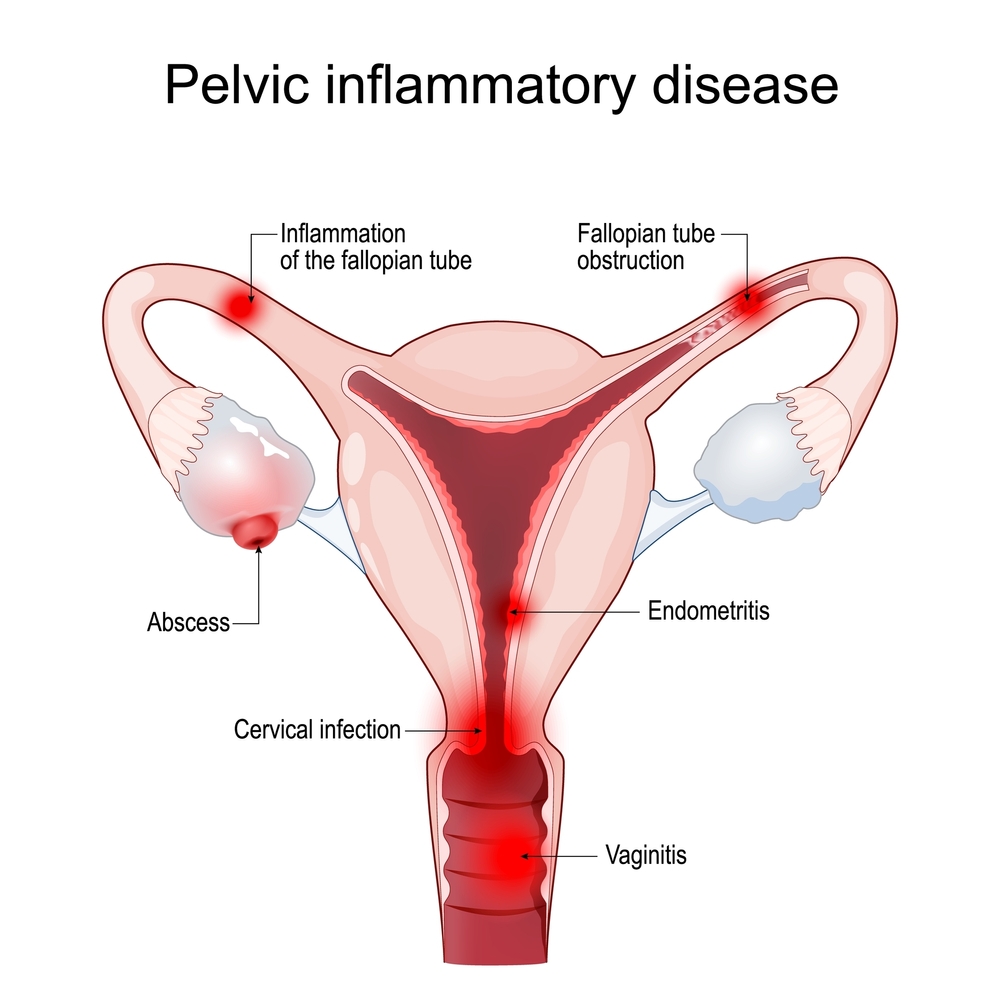
Unsafe abortion methods can introduce bacteria into the reproductive tract, leading to serious infections such as pelvic inflammatory disease (PID). PID can cause long-term complications, including infertility and chronic pelvic pain.
Uterine Perforation:
In some cases, attempts at self-induced abortion can result in uterine perforation, a serious condition where the uterus is punctured. This can lead to internal bleeding and require immediate medical intervention.
Ectopic Pregnancy:
If an ectopic pregnancy (where the fertilized egg implants outside the uterus) is not diagnosed and treated promptly, it can rupture, causing internal bleeding and life-threatening complications.
And a significant thing to note here is that MTP kits like Unwanted Kit or other abortion pills do not cause ectopic pregnancy termination. The treatment course is different, medicines are different and even surgical procedures are different. All of these vary on the size, status and location of the pregnancy tissue besides patient-specific medical conditions.

Psychological Trauma:
The physical and emotional trauma associated with unsafe abortions can have long-lasting psychological effects, including anxiety, depression, and post-traumatic stress disorder.
Infertility:
Any injury to reproductive organs or chronic infection like PID can also lead to infertility. Furthermore, ectopic pregnancy rupture will need surgical removal of the ruptured tissue and also the affected ovary or tube. This can make the woman infertile with the loss ranging from partial to complete depending on the damage.
These risks underscore the critical importance of seeking safe and legal abortion care at a registered abortion centre near you.
Ensuring Safe and Accessible Care: The Role of Healthcare Providers
E-consults should serve as a gateway to comprehensive in-person care. They can expedite the process by cutting down the time of in-person consultation. Besides, they can serve as a useful means of knowing what to expect and feeling comfortable with the doctor before a medical procedure such as an abortion.
Let’s have a look at how the abortion doctor can help you through an e-consult before the in-person visit.
Healthcare Providers Guide the Process:
Healthcare providers play a vital role in guiding women through the process. They can assess individual needs, provide accurate information about available options, and recommend appropriate next steps.
In-Person Evaluations are Essential:
Following an initial e-consult, in-person evaluations are crucial. These evaluations include:
- Physical Examinations: Conduct thorough physical examinations, including pelvic exams and ultrasounds, to assess the woman’s overall health and confirm pregnancy status.
- Diagnostic Tests: Performing necessary tests, such as blood tests and urine tests, to rule out any potential complications or underlying medical conditions.
- Risk Assessment: Conducting a comprehensive risk assessment to identify any potential complications and develop a safe and appropriate care plan.
Comprehensive Care:
In addition to the medical procedures, healthcare providers also offer comprehensive care, including:
- Counselling and Support: Providing emotional and psychological support to women considering or undergoing abortion.
- Contraception Counselling: Offering counselling and guidance on contraception options to prevent future unintended pregnancies. So, if you wish to get an Intrauterine Contraceptive Device (IUCD), commonly known as Copper-T after the abortion, the doctor can prepare for the same and guide the team accordingly.
- Post-Abortion Care: Providing necessary post-abortion care, including follow-up appointments and monitoring for potential complications.
By prioritizing in-person evaluations and providing comprehensive care, healthcare providers can ensure that women receive the safe, effective, and compassionate care they deserve.
E-consults have emerged as a valuable tool in modern healthcare, offering convenient access to initial assessments and guidance for a range of health concerns, including reproductive health issues. In the context of sensitive issues like abortion and unplanned pregnancy, e-consults can provide a crucial first point of contact, allowing individuals to discreetly discuss their concerns with healthcare providers.
However, it is crucial to emphasize that e-consults should not be treated as a substitute for in-person care. While they offer valuable initial support, they have inherent limitations in accurately diagnosing conditions, performing necessary procedures, and providing comprehensive care, especially in complex cases.
Therefore, e-consults should be viewed as a valuable tool for initial assessment and guidance, facilitating a smooth transition to in-person evaluations and subsequent care and not as a substitute to in-person visit.
Schedule a consultation appointment.
Related Posts:
- Respecting Your Choice: Confidential Abortion for DINK Couples
- Abortion Doctor for 40 yrs Explains Transition of Painful Abortions to Painless Abortions
- Negative pregnancy test? No periods yet? What to do?
- Abortion Pill Cost at Safe Abortion Clinic near you
- Unmarried & Pregnant: Explore Safe, Don’t make this mistake!
Quick Links:
- Can abortion cause ovarian cysts? Expert Answers
- Abortion for Unmarried: The Law is on Your Side!
- Can Papaya Cause Abortion? How much Papaya for Abortion?
- Abortion can be done in 2nd month: What you should know?
- Abortion in Bangalore: How to obtain a Positive Experience?
