

Medically Reviewed by Dr. Mamta (MBBS, MD)
Contents of This Post:
- Why Is Abortion in a Multiple Pregnancy Different?
- First, Confirm the Pregnancy and Find Out How Many Embryos There Are
- Why Pregnancy Location Matters: Understanding Ectopic Pregnancy
- How Many Weeks Pregnant Are You?
- Can You Take Abortion Pills for a Twin or Triplet Pregnancy?
- What Are the Safe Abortion Options for Multiple Pregnancies?
- Abortion at Bangalore Genesis Hospital: What Options Are Available?
- Is Abortion in Bangalore Legal?
- Will Your Abortion Be Confidential?
- What Happens If You Delay Care or Use Unsafe Methods?
- Can an Abortion Affect Your Future Fertility?
- How to Prepare for Your Abortion Consultation?
Discovering an unexpected pregnancy can bring uncertainty, anxiety and difficult decisions. That uncertainty may feel even greater when an ultrasound reveals twins, triplets or more than one pregnancy sac. You may wonder whether abortion pills will work, whether you need a surgical procedure, how far along the pregnancy is, or whether delaying your decision could affect your health.
When facing an unwanted pregnancy, whether single or multiple, you do not need to make decisions based on fear, online advice or someone else’s experience.
Your first step should be understanding your pregnancy and discussing your options with a qualified gynecologist. At Bangalore Genesis Hospital, women can seek confidential, non-judgmental counselling and pregnancy termination services, with options that include vacuum aspiration for early pregnancies and Dilation and Evacuation (D&E) for suitable later pregnancies, subject to clinical assessment and applicable requirements.
This guide explains what you need to know before making an informed decision.
Why Is Abortion in a Multiple Pregnancy Different?
A multiple pregnancy occurs when a woman carries two or more embryos or fetuses. Twins are the most common type, while triplets and higher-order pregnancies are less common.
You might discover a multiple pregnancy after noticing a missed period, taking a home pregnancy test or undergoing an ultrasound. Most women learn about the twins only during a scan. The discovery can change the questions you need to ask.
With a twin or triplet pregnancy, your doctor must establish the number of gestational sacs and embryos, the location of the pregnancy, its gestational age and any relevant clinical concerns. These findings help determine which abortion methods are suitable.
However, a multiple pregnancy does not automatically mean that abortion is more dangerous or that medication abortion is unsuitable. Clinical guidance recognizes that twin pregnancy alone is not a contraindication to medication abortion. The choice depends on gestational age, medical history, the findings of the assessment, the method available and your preferences.
First, Confirm the Pregnancy and Find Out How Many Embryos There Are
Before deciding on an abortion, establish whether you are pregnant and whether the pregnancy involves one embryo or more.
Start with a pregnancy test.
A home urine pregnancy test detects human chorionic gonadotropin (hCG), a hormone produced during pregnancy. A positive result generally indicates pregnancy, but it cannot tell you whether you are carrying twins or more. Also, it also cannot establish whether the pregnancy is inside the uterus.
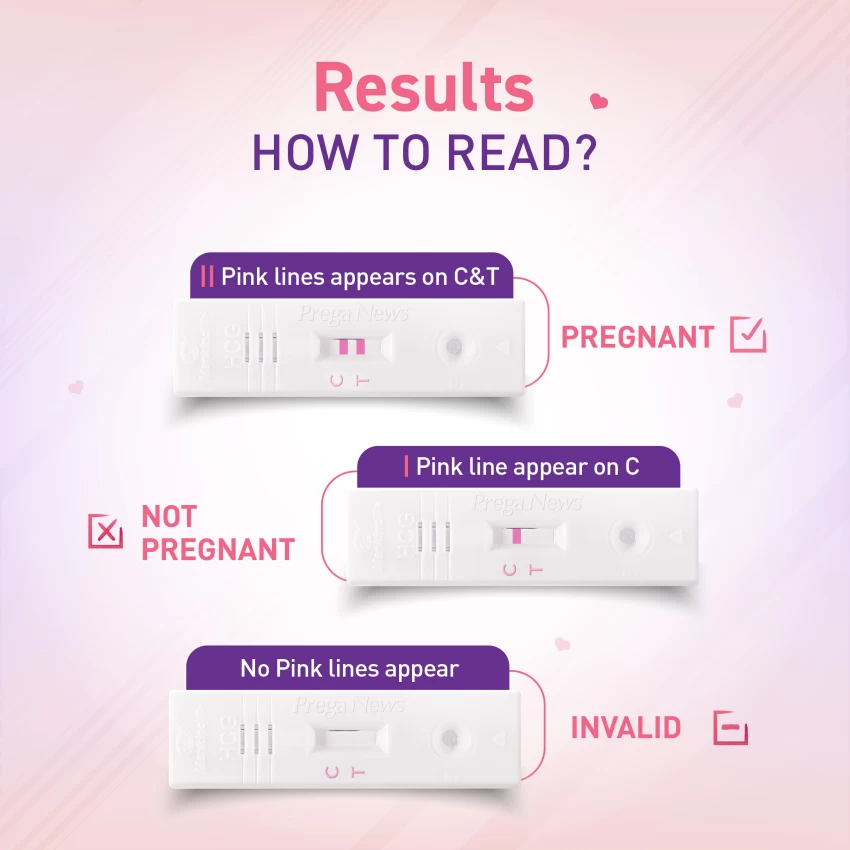
A negative result may not exclude pregnancy if you test too early. If your period remains delayed or pregnancy symptoms continue, repeat testing or consult a healthcare professional. (Read more: Negative Pregnancy Test but Periods Still not Arrived)
Brands such as Preganews, i-Can can help you check for pregnancy at home. However, no home pregnancy test can establish the number of embryos, accurately determine gestational age or rule out an ectopic pregnancy.
Why an ultrasound matters?
An ultrasound can help your doctor assess:
- Pregnancy location: Whether the pregnancy is inside the uterus or whether an ectopic pregnancy needs investigation.
- Number of pregnancies: Whether the scan shows one gestational sac or multiple sacs and embryos.
- Gestational age: How far the pregnancy has progressed, using the last menstrual period and ultrasound findings as appropriate.
- Pregnancy development: Whether the findings are consistent with the expected stage of pregnancy.
- Relevant complications: Whether there are findings that may affect the timing or method of treatment.
Do not assume that a higher pregnancy hormone level means you are carrying twins. Although hCG levels can be higher in multiple pregnancies, the levels overlap considerably between singleton and multiple pregnancies. Ultrasound provides more useful information about the number and location of the pregnancies.
(Read more: Bought Abortion Pills. Skipped Ultrasound. This Is for You.)
Why Pregnancy Location Matters: Understanding Ectopic Pregnancy
One of the most important reasons to seek medical assessment before taking abortion pills is to rule out a suspected ectopic pregnancy.
An ectopic pregnancy is the one that starts to develops outside the uterus, most commonly in a fallopian tube. It cannot develop normally and may cause life-threatening internal bleeding if the tube ruptures. A home pregnancy test can be positive in an ectopic pregnancy.

Warning signs include:
- Persistent or worsening abdominal or pelvic pain, especially on one side.
- Vaginal bleeding or spotting accompanied by pain.
- Shoulder-tip pain.
- Dizziness, fainting or marked weakness.
Seek emergency medical care if you experience any of these with a positive pregnancy test.
Abortion pills do not treat an ectopic pregnancy. Medicines used for medication abortion do not remove a pregnancy growing outside the uterus. Taking them may delay the correct diagnosis while the ectopic pregnancy continues to develop until it ruptures.
A twin pregnancy can rarely involve a combination of an intrauterine and an ectopic pregnancy. This is called a heterotopic pregnancy. It is uncommon, but the possibility matters when symptoms or clinical findings raise concern.
How Many Weeks Pregnant Are You?
Gestational age is another essential factor when selecting an abortion method. Doctors usually calculate pregnancy duration from the first day of your last menstrual period, rather than from the date you had sex or believe conception occurred.
For example, a woman may be described as six weeks pregnant even though conception occurred approximately four weeks earlier. This difference can cause confusion when reading online advice about abortion pills or pregnancy termination.
Your dates may also be less reliable if your menstrual cycles are irregular, you have recently stopped hormonal contraception or you cannot remember your last period.
Why does timing matter?
- Medical abortion has gestational limits and clinical considerations that depend on the regimen and local service arrangements.
- Vacuum aspiration is commonly used for first-trimester procedural abortion.
- Later pregnancies may require more extensive cervical preparation and a different procedural approach.
- The legal requirements and clinical planning for termination depend partly on gestational age.
Do not calculate your eligibility using a phone application alone. An accurate assessment helps you understand which options are available and how soon you should receive care.
Can You Take Abortion Pills for a Twin or Triplet Pregnancy?
This is one of the most common questions women ask after discovering a multiple pregnancy.
Medical abortion uses medicines, commonly mifepristone and misoprostol, to end a pregnancy. These medicines work through different mechanisms to stop pregnancy development and stimulate uterine contractions.
Twin pregnancy alone does not make it medically unsuitable. However, that does not mean you should use an abortion kit without consulting a qualified provider. Your eligibility depends on several factors, including gestational age, the possibility of an ectopic pregnancy, your medical history, the medicines available and your ability to obtain emergency care if needed.
Triplet and higher-order pregnancies also require individual assessment. You should not assume that instructions intended for another woman, a singleton pregnancy or a different gestational age will suit your situation.
Why should you avoid self-prescribing an Unwanted Kit or MTP Kit?
Products sold under names such as Unwanted Kit or MTP Kit commonly contain medicines used for medical method of abortion. Using them without proper guidance can create several problems. You may misjudge the gestational age. The medicines, regimen and follow-up requirements depend on how far the pregnancy has progressed.
You may overlook an ectopic pregnancy. These medicines will not treat it, and delayed diagnosis can have serious consequences.
The abortion may remain incomplete. Some pregnancy tissue may remain in the uterus, or the pregnancy may continue. You may then need additional medication, a procedure or other medical care.
You may experience heavy bleeding or infection. Cramping and bleeding are expected during medication abortion, but unusually heavy bleeding, persistent fever or worsening pain require prompt assessment.
You may not recognize treatment failure. Bleeding does not, by itself, prove that the abortion is complete. Likewise, minimal bleeding or persistent pregnancy symptoms may require evaluation.
The correct approach is to reach out for suitable clinical guidance. A qualified provider can explain whether medication abortion is a reasonable option for you or whether a procedural method better meets your clinical needs and preferences.
What Are the Safe Abortion Options for Multiple Pregnancies?
Once your doctor has assessed the pregnancy, you can discuss the available termination methods. There is no single method that suits every woman with a multiple pregnancy.
Option 1: Medical abortion
Medication abortion uses prescribed medicines rather than a uterine procedure. It can be suitable for many early pregnancies, including twin pregnancies, when a qualified provider determines that it is appropriate.
Some women prefer this option because it avoids a procedure and allows the pregnancy to pass outside a clinical setting. However, it involves cramping and bleeding, and the process may take longer than procedural abortion.
You also need clear instructions about expected symptoms, warning signs and how to confirm that the abortion has been completed. If the pregnancy continues or the abortion remains incomplete, your clinician may recommend further treatment.
Option 2: Vacuum aspiration or suction abortion
Vacuum aspiration uses gentle suction through a thin tube inserted into the uterus to remove the pregnancy tissue. The clinician may use manual or electric suction, depending on the setting and clinical requirements. It is a well-established method for early procedural abortion and is commonly used during the first trimester.
For women seeking abortion in a twin pregnancy, vacuum aspiration may offer a predictable, relatively brief procedure when the gestational age and clinical findings make it appropriate.
Potential advantages include:
- A procedure that usually takes less time than the medical method.
- Completion during the procedure in most cases.
- Single appointment procedure.

The procedure may involve mild cramping, bleeding and temporary discomfort. The clinician will explain pain relief or anesthesia options and the recovery process. Serious complications are uncommon when trained providers perform the procedure with appropriate facilities and follow-up. The suitability of vacuum aspiration depends on gestational age and other clinical factors.
Option 3: Dilation and Evacuation (D&E)
For suitable pregnancies later in gestation, doctors may recommend Dilation and Evacuation, commonly known as D&E. During D&E, the clinician prepares and gently dilates the cervix, then uses appropriate instruments and suction to remove the pregnancy tissue from the uterus. D&E is an established procedural method for second-trimester abortion when performed by appropriately trained clinicians in a suitable healthcare facility.
For women carrying multiple pregnancies, the clinician will plan the procedure according to the pregnancy findings and the woman’s individual needs. The number of fetuses alone does not determine the method.
D&E may involve cramping, bleeding and temporary discomfort. Your clinician will discuss the relevant risks and the measures used to reduce them.
Which method is right for you?
The safest choice is the method that fits your clinical circumstances and your informed preferences. A consultation should cover the expected process, likely recovery, pain management, possible complications and what happens if further treatment becomes necessary. Ask questions until you understand the plan.
Abortion at Bangalore Genesis Hospital: What Options Are Available?
If you are looking for an abortion clinic or abortion hospital in Bangalore, it is important to choose a facility that offers appropriate clinical assessment, trained medical professionals and a clear plan for managing complications.
Bangalore Genesis Hospital offers pregnancy termination services for eligible women up to 20 weeks of gestation.
Up to 12 weeks: Gentle vacuum aspiration
For suitable early pregnancies, we offer vacuum aspiration, also known as suction abortion. The clinician first reviews the pregnancy findings and your medical history. If vacuum aspiration is appropriate, the team explains the procedure, pain-relief options and recovery expectations. The method uses suction to remove pregnancy tissue from the uterus. It generally offers a shorter treatment process, although individual circumstances can affect the experience and outcome.
After 12 weeks and up to 20 weeks: D&E
For eligible pregnancies beyond 12 weeks, we offer procedural termination using D&E when clinically appropriate. The team assesses the gestational age, ultrasound findings and your medical needs before recommending a treatment plan. D&E can provide procedural completion, but later abortions may require cervical preparation and additional assessment. The number of visits and the exact timing depend on the individual case.
Can the abortion be completed in one appointment?
A procedural abortion may be completed in a single treatment appointment when the clinical circumstances permit. This is one major reason some women prefer suction abortion in Bangalore at Bangalore Genesis Hospital.
However, an initial consultation, necessary investigations, cervical preparation or follow-up may affect the overall number of visits. A single-appointment outcome cannot be guaranteed for every patient, particularly in later gestations.
At Bangalore Genesis Hospital, ask the treating team which steps can take place on the same day and whether your circumstances require additional preparation or review. Usually, most abortion procedures at Bangalore Genesis Hospital, especially through suction abortion complete within a single appointment.
The goal is to provide appropriate care, not to rush a decision or procedure that needs further assessment.
Is Abortion in Bangalore Legal?
Yes. Abortion is legally permitted in India under the Medical Termination of Pregnancy (MTP) Act, 1971, as amended, subject to the conditions laid down in the law.
The legal framework considers factors such as gestational age, the applicable statutory grounds, the opinion of the required registered medical practitioner or practitioners, and specific circumstances recognized under the Act and Rules.
For many pregnancies up to 20 weeks, the law requires the opinion of one registered medical practitioner who meets the applicable requirements. The law provides different provisions for certain categories of women between 20 and 24 weeks and for specified substantial fetal abnormalities.
What about abortion for unmarried women?
Being unmarried does not, by itself, make a woman ineligible for abortion in India under Indian law. Unmarried women may access abortion care at a registered MTP centre. You should not have to face shame or judgment because of your marital status or the circumstances of an unwanted pregnancy.
The Supreme Court of India has recognized that the MTP framework must be interpreted in a manner that does not exclude unmarried women from relevant reproductive healthcare protections simply because they are unmarried.
Do married women have different abortion options?
Married women can also seek termination when the applicable requirements are satisfied. The law does not make a husband’s consent a general prerequisite for an adult woman’s abortion. Her own informed consent is central to the decision, subject to the specific legal rules that apply to minors and certain other circumstances. A healthcare provider should explain the relevant requirements clearly and protect your privacy throughout the process.
What if the pregnancy is beyond 20 weeks?
The legal position becomes more specific as gestational age advances. Certain categories of women may qualify for termination up to 24 weeks under the Rules. Separate legal provisions address specified substantial fetal abnormalities and certain emergency circumstances.
Do not assume that the same eligibility rules apply at every stage. Seek prompt advice from a qualified provider who can assess the medical facts and the applicable law.
Will Your Abortion Be Confidential?
Privacy is a legitimate concern for women seeking abortion, whether they are married, unmarried, in a relationship or dealing with a pregnancy they have not disclosed to others.
India’s MTP Act includes a confidentiality provision that restricts the disclosure of a woman’s name and other particulars by a registered medical practitioner, subject to the exceptions provided by law.
At Bangalore Genesis Hospital, women can seek confidential counselling and discuss their concerns with the care team. During your consultation, you can ask how the hospital handles medical records, appointment communications, billing information and follow-up messages. You can also explain if a particular contact method could put your privacy at risk.
What Happens If You Delay Care or Use Unsafe Methods?
When a pregnancy is unwanted, fear or uncertainty can make it tempting to postpone a consultation or try a remedy recommended by a friend, online seller or unverified source, like using pineapple or papaya for inducing a miscarriage. However, delaying assessment can narrow the available options as the pregnancy progresses. It can also delay the diagnosis of an ectopic pregnancy or another condition that requires treatment.
Unsupervised abortion attempts may lead to:
Incomplete abortion: Pregnancy tissue remains in the uterus. This may cause ongoing bleeding, pain or other symptoms and may require further treatment or the remnants can rot and cause infection, which can also become fatal, if left untreated.
Continuing pregnancy: The medicines fail to end the pregnancy. You may need additional treatment after a clinical assessment.
Heavy bleeding: Excessive blood loss can cause weakness, anemia or, in severe cases, a medical emergency requiring urgent intervention.
Infection: Infection can develop after an abortion, particularly when complications remain untreated. Warning signs include persistent fever, worsening pain or feeling increasingly unwell.
Delayed emergency treatment: If an ectopic pregnancy ruptures, internal bleeding can become life-threatening.
Not every incomplete abortion causes lasting harm, and many complications can be treated successfully. However, leaving significant bleeding, infection or retained pregnancy tissue untreated can increase the risk of serious illness.
Seek urgent medical care if you experience severe or worsening abdominal pain, fainting, difficulty breathing, fever that persists or develops after the expected immediate medication effects, foul-smelling vaginal discharge, or bleeding that soaks more than two large sanitary pads per hour for two consecutive hours.
These are not symptoms to manage through online advice alone.
If you have already taken abortion pills and are worried about the outcome, tell your healthcare provider which medicines you took, how much you took and when. Honest information helps the clinician provide appropriate treatment. You do not need to delay care because you feel embarrassed or frightened.
Can an Abortion Affect Your Future Fertility?
Many women worry that terminating a twin or triplet pregnancy will prevent them from becoming pregnant in the future. In general, an uncomplicated abortion, whether medical or procedural, does not reduce future fertility. Most women can conceive again and have healthy pregnancies.
The risk to future fertility comes primarily from uncommon complications rather than from abortion itself. For example, an untreated uterine infection can sometimes affect reproductive health. Rarely, a procedural complication can cause injury to the uterus or cervix. Intrauterine adhesions, which involve scar tissue inside the uterus, can also occur after uterine instrumentation, although clinically significant adhesions are uncommon after modern abortion procedures.
Prompt assessment and appropriate treatment reduce the risk of complications becoming more serious. Having an abortion for a multiple pregnancy does not, by itself, mean that you will have twins again or that you will struggle to conceive. Future pregnancy outcomes depend on several factors, including your reproductive health, age and other individual circumstances.
Your menstrual period usually returns within several weeks after an abortion, although the timing varies. Ovulation can occur before your first period, so pregnancy is possible soon after the procedure.
If you wish to avoid another unwanted pregnancy, your clinician can discuss contraception that suits your needs. You can choose whether to start contraception immediately or at a later stage, depending on the method and your medical circumstances.
What Is the Cost of Abortion in Bangalore?
The cost of abortion depends on more than the name of the procedure.
Factors that may influence the total price include:
- Gestational age and the complexity of the pregnancy.
- Whether the pregnancy involves twins, triplets or another multiple gestation.
- The recommended method, such as medication abortion, vacuum aspiration or D&E.
- Consultation, ultrasound and any necessary laboratory investigations.
- Anesthesia or pain-relief requirements.
- Medicines, observation and follow-up care.
- Any additional treatment needed to address a complication.
A multiple pregnancy does not automatically mean that a procedure will cost more. The final estimate depends on the clinical assessment and the services required.
If you are comparing abortion prices in Bangalore, ask for a clear estimate of the total expected cost. Check whether the quoted amount includes investigations, medicines, the procedure, pain relief and follow-up.
At Bangalore Genesis Hospital, contact the hospital directly for current charges and an estimate based on your gestational age and recommended treatment. A price quoted without knowing these details may not reflect your actual care requirements.
Do not choose a provider on price alone. Appropriate assessment, trained staff, suitable facilities, confidentiality and access to emergency care are important considerations.
How to Prepare for Your Abortion Consultation?
A little preparation can help you feel more confident during your appointment.
If possible, carry your pregnancy test results, previous ultrasound reports, prescriptions and details of any medicines you have already taken. Tell the doctor about relevant medical conditions, allergies, previous pregnancies and any history of ectopic pregnancy or uterine surgery.
You can also prepare a few questions:
- How many weeks pregnant am I?
- Is the pregnancy inside the uterus?
- Does the scan confirm a twin or multiple pregnancy?
- Which abortion methods are suitable for my circumstances?
- What pain relief or anesthesia will I receive?
- Can the abortion be completed during one appointment?
- What complications should I watch for after treatment?
- When should I return for follow-up?
- What is included in the total abortion cost?
- How will the hospital protect my medical privacy?
You do not need to know all the answers before your visit. Your doctor should explain the relevant findings and help you understand the available choices. If you have already taken abortion medication, do not hide that information. It is important for your safety and helps the team decide whether you need further assessment or treatment.
Choosing Safe, Legal and Non-Judgmental Abortion Care
An unwanted pregnancy can affect your physical health, emotional well-being, relationships and future plans. Discovering twins or triplets may make the situation feel even more complicated. You deserve care that recognizes these concerns without making assumptions about your circumstances.
When choosing an abortion hospital in Bangalore, look for a provider that offers accurate pregnancy assessment, explains the available methods, follows applicable legal requirements and provides clear instructions for recovery and emergency care. A good consultation should leave you better informed, not more frightened. You should understand the proposed method, its benefits and risks, the likely recovery period and the arrangements for follow-up.
At Bangalore Genesis Hospital, women can discuss pregnancy termination options with the clinical team in a confidential and non-judgmental setting. The hospital offers vacuum aspiration for suitable early pregnancies and D&E for eligible later pregnancies up to 20 weeks.
Whether you are considering abortion for a twin pregnancy, a triplet pregnancy or a pregnancy whose number and duration you have not yet confirmed, start by seeking qualified medical advice.
Before you decide anything, better equip yourself with as much information as possible. Get the facts, understand your options and choose care that puts your safety and dignity first.
Frequently Asked Questions
Can I have an abortion if I am carrying twins?
Yes. Twin pregnancy alone does not rule out abortion. Your doctor will assess gestational age, pregnancy location, your medical history and the most suitable method.
Can abortion pills terminate a triplet pregnancy?
Medication abortion may be an option in some multiple pregnancies, but triplet pregnancy requires individual clinical assessment. Do not use an abortion kit without appropriate medical guidance and access to emergency care.
Can I have a confidential abortion if I am unmarried?
Being unmarried does not, by itself, make you ineligible for abortion under Indian law. You can discuss your circumstances and privacy concerns with a qualified provider.
Can abortion be completed in one visit?
Vacuum aspiration can often be completed in one treatment appointment. D&E may also be completed in a single procedural appointment in suitable circumstances, but cervical preparation, additional investigations or follow-up may require further visits.
Will abortion affect my ability to have children later?
An uncomplicated abortion generally does not affect future fertility. Prompt treatment of any complications and appropriate follow-up help protect your reproductive health.
(Read more:
1. Abortion Pills in Bangalore: Can It Impact Future Pregnancy?
2. Can abortion cause infertility: What experts have to say?)
Where can I seek abortion care in Bangalore?
Bangalore Genesis Hospital offers pregnancy termination services for eligible women up to 20 weeks, subject to the applicable legal requirements and individual clinical assessment. Contact the hospital to discuss your circumstances, appointment arrangements and current charges.
