
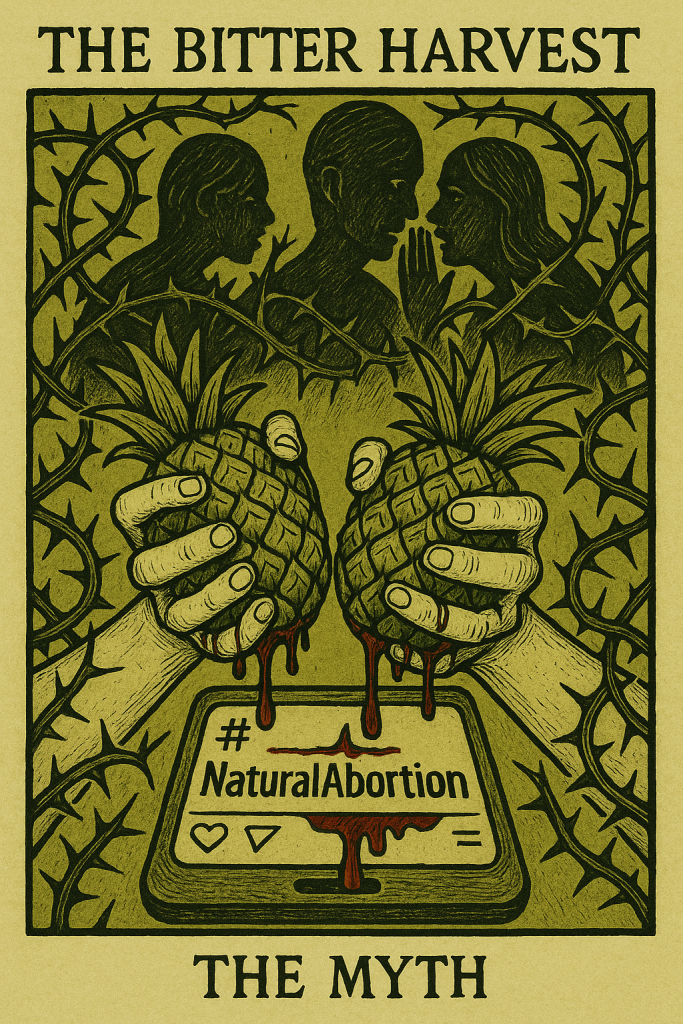
Contents of This Post:
- Firstly, we’ll talk about: “The Pineapple Abortion Myth: Origins and Viral Misinformation”
- Secondly, we’ll introduce you to the “Pineapple’s Key Compound: Bromelain Under the Microscope”
- Third, you need to know: “The Deadly Risks of DIY Pineapple Abortions” & Safe Abortion Options Near You
- Finally, you’ll learn how Much Pineapple Is Safe in Pregnancy?
The Truth You May Not Like to Hear About Pineapple and Abortion:
Firstly, you’re scared. Then, you also feel alone. The thought of an unwanted pregnancy has you scrolling through forums late at night, searching for anything that could help—privately, cheaply, without anyone knowing. And there it is:
“Eat pineapple to cause a miscarriage.”
Firstly, it sounds natural. Next, simple. Finally, safe & without anyone knowing why you are eating so many pineapples today.
But here’s the brutal reality:
- Firstly, pineapple cannot end a pregnancy.
- Secondly, DIY “abortion” methods like this put your life at risk.
- You don’t trust us. Here is a piece of statistic for you. 7.9 million women are hospitalized yearly from botched abortion attempts—bleeding, infections, and organ failure (WHO, 2023).
Let’s cut through the noise. At first, this post isn’t here to judge you. Rather, it’s here to arm you with medical facts so you don’t become another statistic. We’ll break down:
- Why pineapple doesn’t work (and why it’s dangerously glorified online).
- Besides, you’ll learn about the real, lethal risks of “natural abortion” myths.
- Finally, the post will also equip you with actual safe options—confidential, affordable, and non-judgmental.
Your life is worth more than a viral hack. Let’s expose the truth.
The Pineapple Abortion Myth: Origins and Viral Misinformation:
The idea that pineapple can terminate a pregnancy isn’t new—it’s a dangerous distortion of traditional medicine that went viral in the age of social media. For centuries, cultures like those in Central America used pineapple stems (not the fruit) in tiny medicinal doses to ease menstrual cramps or induce labor near full term. But in the past decade, this nuanced practice morphed into a reckless online mantra:
“Eat pineapples to miscarry early pregnancies.”
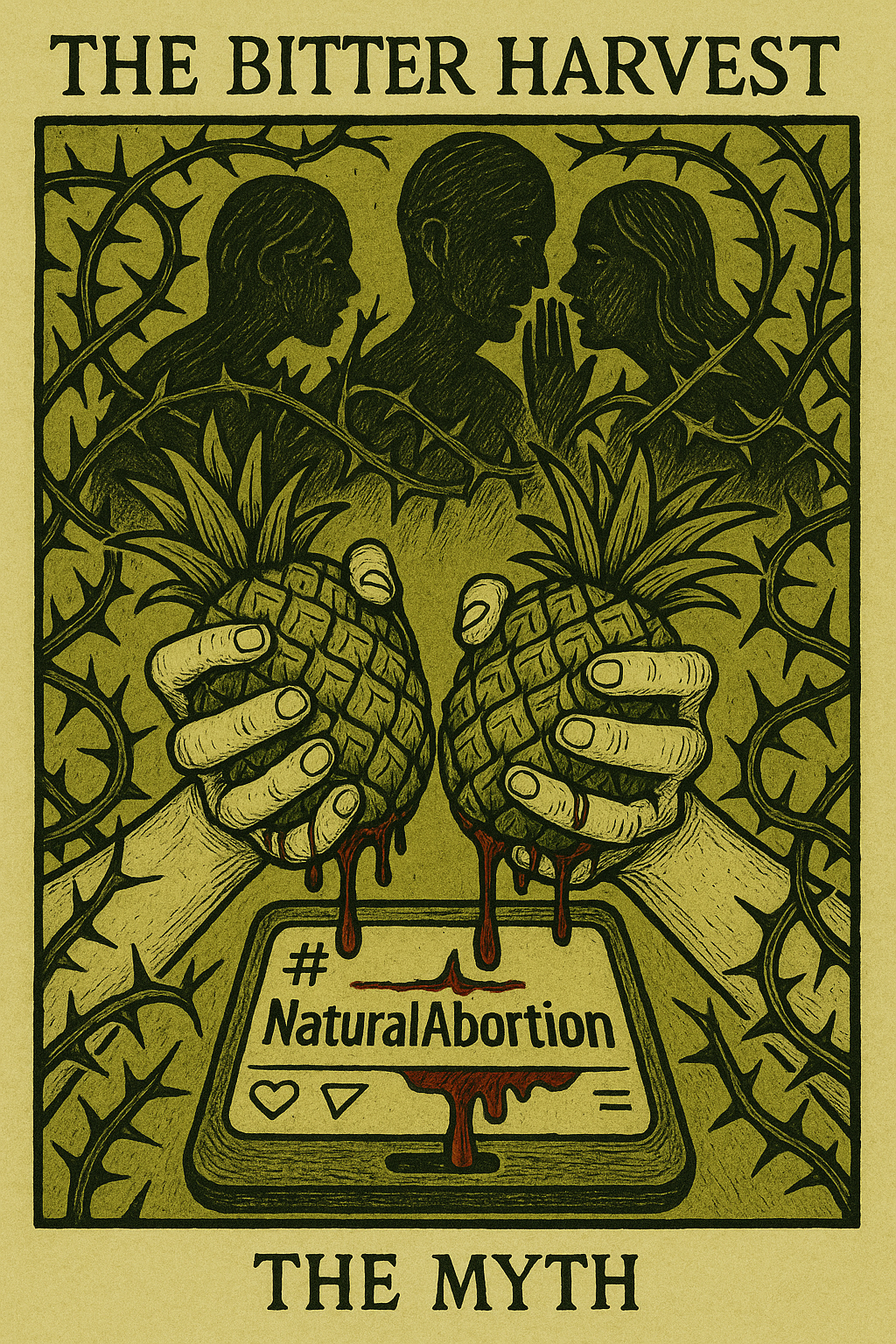
How the Myth Exploded?
Posts on social media platforms claimed bromelain (an enzyme in pineapple) “softens the cervix” and causes miscarriage. Many users (not the doctors) on such platforms dissipate misinformation only to garner more views and grab attention. They use hashtags like #HomeRemedyAbortion, #NaturalAbortion, etc. as clickbaits.
Surprisingly, reels and videos have urged women to “eat 1 pineapple daily for 3 days.” Such people promote pineapple for abortion calling it “safe” and “doctor-free.”
But why?
Only due to partial knowledge and to use it as a clickbait for desperate women struggling with unwanted pregnancies, especially unmarried women and women living in countries with restricted abortion rules and policies like the UAE, Kuwait, Qatar, Oman, Philippines, Mauritius, Sri Lanka, Bahrain and many others.
“I saw a viral reel saying if I ate 2 pineapples, I’d get my period. I was desperate. But it didn’t work.”
— Maria, 19 (shared with research team).
This is just one of the users. According to a study, nearly 30% of people trying home remedies for abortion actually believe in their safety and efficacy. Adding to the surprise, the belief has no roots in science but only through viral reels, fake testimonials and other sources of misinformation.
But Why Do People Believe It?
Scientific Half-Truth:
Bromelain does break down proteins, and high-dose supplements might interfere with implantation in lab rats. But, here too we are talking about implantation of the fertilized egg and not the already implanted egg that caused a spike in hCG levels giving a pregnancy test positive. Bromelain may interfere with implantation, but there is no evidence that it can detach the implanted pregnancy. Did your Preganews too gave a positive that’s bothering you? Remember, before you choose pineapple for abortion, just stay tuned and read it ahead.
Reality: Human studies show zero evidence it affects pregnancy. Stomach acid destroys bromelain before it reaches the uterus.
Psychological Vulnerability:
Fear of judgment, cost barriers, or restrictive abortion laws drive women toward “secret” solutions. Many women want abortion without anyone knowing and believe that visiting a registered abortion centre near them can hurt their anonymity.
Many others try to cut the cost of abortion by avoiding clinic charges, consultation and diagnostic fees. But they usually end up paying higher the cost of an abortion by ending up in complicated situations, many of which can even be life-threatening. And most of them are life-altering as they overturn the woman’s personal and professional goals while also hurting her social life.
Data: 58% of women attempting DIY abortions cite “not wanting anyone to know” as the primary reason (Guttmacher Institute, 2023).
And 95% of women who visited our facility with incomplete abortions after self-abortion attempts like eating pineapple, papaya and even abortion pills like Unwanted Kit claim they did so to prevent paying higher abortion prices at the hospital.
The Truth: The complications are preventable with an early diagnosis and treatment. Also, the cost women often pay for unsafe abortion attempts is much higher than what one has to pay for a safe and legal abortion at a registered abortion hospital.
A safe abortion can prevent multiple complications that arise after an unsafe attempt. It can also prevent life-threatening complications like sepsis, hyperglycemic shock, ruptured ectopic pregnancy and any internal injury.
Why play unsafe when you have safe options around you? You find your pineapple for abortion and papaya for abortion during your internet research options for abortion methods. Have a closer look into science on online platforms. Just dig a little deeper, refine your search and find safe abortion alternatives rather than self-quick fixes. Trust information from credible resources coming from healthcare providers.
The Viral Playbook
Misinformation spreads through:
| Tactic | Example | Why It’s Dangerous |
| Oversimplification | “Pineapple = natural abortion pill!”
“Raw Papaya = natural abortion” |
Ignores dosage, biology, and risks. |
| False Testimonials | “It worked for me!” (with no proof) | Creates false hope.
|
| Demonizing Clinics | “Doctors will shame you” | Delays life-saving care. |
The Devastating Cost
- Hospitalization Rate: WHO reports 23,000 women die yearly from unsafe abortions—many after trying “natural” methods.
- Real Consequences after using Pineapple for Abortion:
- Gastric Bleeding: High-acid pineapple overload causes ulcers (BMJ Case Report, 2021).
- Hyperglycemia: 7+ pineapples daily = ~770g sugar → diabetic crisis.
- Incomplete Abortion: Most DIY abortion attempts fail, with pineapple the number is almost close to 100%.
“I bled for 3 weeks after eating pineapples. The ER doctor said I almost died from sepsis.”
— Anonymous, Abortion complication database.
Pineapple’s transformation from a cultural remedy to an “abortion hack” is a case study in digital misinformation preying on vulnerability. But biology doesn’t bend to viral trends—your body isn’t a viral reel experiment.
Pineapple’s Key Compound: Bromelain Under the Microscope:
Pineapple contains an enzyme called bromelain, often misrepresented as a “natural abortion remedy.” Let’s dissect the science—what bromelain actually does, where it’s found, and why eating pineapple won’t end a pregnancy.
What Is Bromelain?
Bromelain is a proteolytic enzyme that breaks down proteins. In purified, high-dose supplements, it’s studied for anti-inflammatory effects (e.g., reducing sinusitis swelling, inflammation of joints, etc.).
It is primarily concentrated in pineapple stems and cores (not the sweet flesh). Although the edible parts of pineapple do contain bromelain but not in quantities high enough to trigger a self-induced abortion.
Bromelain Concentration: The Math That Debunks the Abortion Myth
Firstly, edible pineapple flesh contains only ≈0.1–0.9 mg/g of bromelain (Journal of Food Science, 2021). To get a potentially bioactive dose (200–500 mg), you’d need to eat 5–10 whole pineapples DAILY—physically impossible.
Secondly, stomach acid neutralizes bromelain before it can induce an abortion. Gastric acid destroys 90% of ingested bromelain before absorption (NIH, 2022). Furthermore, even absorbed traces are metabolized by the liver, never reaching the uterus.
“Bromelain from dietary pineapple poses no risk to pregnancy. Claims otherwise ignore basic biochemistry.”
— Doctor for abortion in Bangalore at Bangalore Genesis Hospital
Bromelain and Pregnancy: What Research Confirms?
Zero Evidence of Miscarriage Risk:
A 2023 review of 14 studies in Reproductive Toxicology found no link between bromelain consumption and miscarriage. Pineapple is safe in pregnancy and rich in vitamin C, folate, and fibre.
Animal Studies Misrepresented:
Viral posts cite rat studies where directly applied bromelain on isolated rat uteruses caused contractions. (Source: https://pubmed.ncbi.nlm.nih.gov/27426506/). The studies they misinterpret are in vitro animal studies and not actual ingestion of pineapple juice or pineapple itself as a whole.
Reality: Humans would need IV doses 100x higher than achievable through diet for similar effects.
Despite social media claims, pineapple is biologically incapable of terminating a pregnancy. While limited lab studies show pineapple extract can trigger uterine contractions when applied directly to isolated tissue samples, this is clinically irrelevant for humans.
Crucially:
- Zero evidence exists that eating pineapple affects pregnancy: The same studies found no contractions when live pregnant rats consumed pineapple juice.
- Contractions ≠ abortion: Isolated contractions (seen only in petri dishes) don’t ripen the cervix or induce labor. No study showed actual pregnancy loss.
- Biologically impossible: Humans have no safe way to apply pineapple extract directly to the uterus. Stomach acid destroys bromelain before absorption, and traces that enter blood are metabolized instantly.
So, pineapple’s “uterotonic” and not directly “abortion” only exists in labs—not living bodies. Trusting this myth risks your health without ending pregnancy.
The Real Dangers of Overeating Pineapple
Attempting “pineapple abortions” risks:
| Complication | Cause |
| Severe Gastritis | Excess bromelain + acid erodes stomach lining |
| Hyperglycemia | 7 pineapples ≈ 770g sugar (3 days’ max intake) |
| Oral Ulcers | Bromelain’s proteolytic action on mouth tissue |
“I ate 3 pineapples a day for a week. My mouth bled, and I couldn’t keep food down. The pregnancy continued.”
— Anonymous patient
Bromelain Supplements: Not a Solution
Unregulated Products: Online “high-dose bromelain” pills often contain fillers or dosages for other indications and not for abortion.
Risks: Can cause allergic reactions, irregular bleeding, or interaction with medications (FDA warning, 2023).
So, bromelain in pineapple is too low and too degraded to affect pregnancy. Besides, eating excessive pineapple causes painful, preventable harm—not abortion. Hence, trust your body. Pineapple is nutritious when eaten normally (1–2 cups/day) but not for abortion.
The Deadly Risks of DIY Pineapple “Abortions”:
Imagine this:
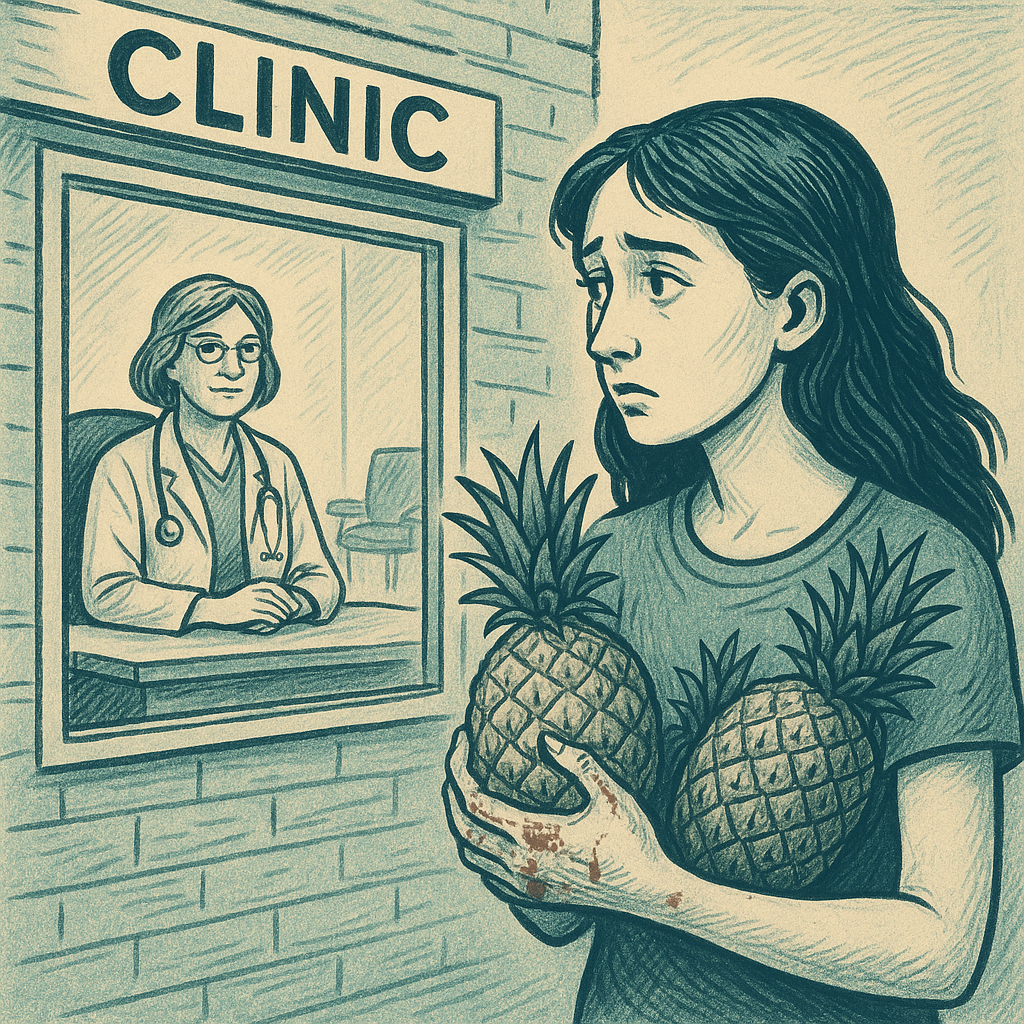
You’ve read online that eating seven pineapples in a day could end an unwanted pregnancy. Desperate and alone, you force down sour, acidic fruit until your mouth burns and your stomach cramps. Days later, you’re bleeding uncontrollably—but the pregnancy persists. So, your DIY abortion was incomplete.
Now you’re in the ER, facing sepsis or organ damage, while doctors ask questions you’re terrified to answer. This isn’t hypothetical. It’s the brutal reality for thousands who believe in viral myths.
Why Pineapple Overload Fails (And Harms)?
The biochemistry is clear: Bromelain—pineapple’s enzyme—cannot reach your uterus in significant amounts. Stomach acid neutralizes it; your liver metabolizes traces. But the physical toll? That’s devastatingly real.
5,700+ Emergency Room visits annually in the U.S. for complications from all DIY abortion attempts (including herbs, physical trauma, and “natural” methods like pineapple) is a CDC fact. Shockingly, this is the statistic for a country with a 99% literacy rate. Imagine, what the numbers are in reality in India with a mere 76% literacy rate. (Literacy Rates Source: https://worldpopulationreview.com/country-rankings/literacy-rate-by-country) People believe in these myths and try them without adding any logic and bits of science to what they are going to do to harm themselves.
According to a certified abortion centre in Bangalore,
“We saw more than a hundred cases of pineapple and papaya-induced abortion trials resulting in pregnancy complications in just one year. Not one resulted in abortion.”
Instead, women faced:
Chemical Burns:
Bromelain’s protein-dissolving action eroded mouth and stomach linings, causing bleeding ulcers.
Diabetic Emergencies:
One patient’s blood sugar spiked to 500 mg/dL after seven pineapple cans—nearly triggering a coma. She said she couldn’t find pineapple fruit at a nearby market. So, she ordered canned pineapples and ate them to induce a self-abortion.
Septic Shock:
Incomplete “abortions” led to infections, with many even requiring hysterectomies. Although surgical abortion (D&C or D&E) can correct an incomplete abortion by carefully removing the remaining pregnancy remnants. But that needs to be done on time.
Many women delay seeking care with incomplete abortion only to avoid hospitals and to keep their abortion attempt a secret. They silently suffer from abdominal cramps, pain, fever and fear until the infection spreads and they end up in the ER. As a part of emergency treatment, sometimes organ damage is bigger than that can be corrected with corrective surgery.
And hysterectomy would mean that the woman cannot give birth to a child in future. This becomes a challenging situation because most women ending up in such situations are unmarried women. They not only risk their health but also end up with irreversible damage that can impact their entire life.
Ectopic Pregnancy:
Another problem that presents with DIY abortions is ruptured ectopic pregnancies. Women often try DIY abortion methods without even realizing if the pregnancy location is intrauterine or not. When they do not visit the hospital, they also do not get the necessary diagnostic tests before abortion. As a result, they skip a very important ultrasound to detect the exact age of pregnancy and its location.
When they try DIY abortions like eating pineapple, the pregnancy termination doesn’t happen. It goes undetected and ruptures. A ruptured ectopic pregnancy means a life-threatening situation. The patient results in ER and ends up in an emergency surgery.
And most common ectopic pregnancy ruptures are the ones where the fertilized egg stays in the fallopian tube and ruptures. The doctor needs to remove ruptured tissue along with the fallopian tube and the attached ovary to save the woman’s life. Although life saved, fertility loss can range from partial to complete.
Again, this turns out to be a life-altering event, especially for unmarried women and even married ones delaying parenthood because natural conception becomes arduous.
“I ate pineapples for five days straight. I passed out without knowing what happened. When I woke up, the doctor told me my uterus was infected—and the fetus still had a heartbeat.”
— Anonymous, Patient Case Report from our survey
The Hidden Dangers Beyond Pineapple
This isn’t just about fruit. The pineapple myth represents a broader crisis of medical disinformation targeting vulnerable people. When DIY methods fail—as they do in 89% of attempts (Guttmacher Institute, 2024)—women often escalate to riskier tactics:
- Herbal Toxins: Pennyroyal or tansy teas cause liver failure.
- Physical Trauma: Inserting objects that can cause uterus to bleed may not result in abortion, but lead to internal injury, infection and even organ damage.
- Overdosing: On vitamin C or bitter apricot seeds (cyanide risk).
The World Health Organization estimates 23,000 women die annually from such attempts—equivalent to a plane crash every 8 hours. Most deaths occur in regions with restricted abortion access, but no country is immune. Undoubtedly, there is nearly a 300% surge in DIY abortion complications linked to social media trends.
A Path Forward: Safety Over Stigma
We say this not to shame, you but to arm you with the truth:
Pineapple is food, not medicine.
Enjoy it in moderation (1–2 cups/day) for its vitamins and sweetness.
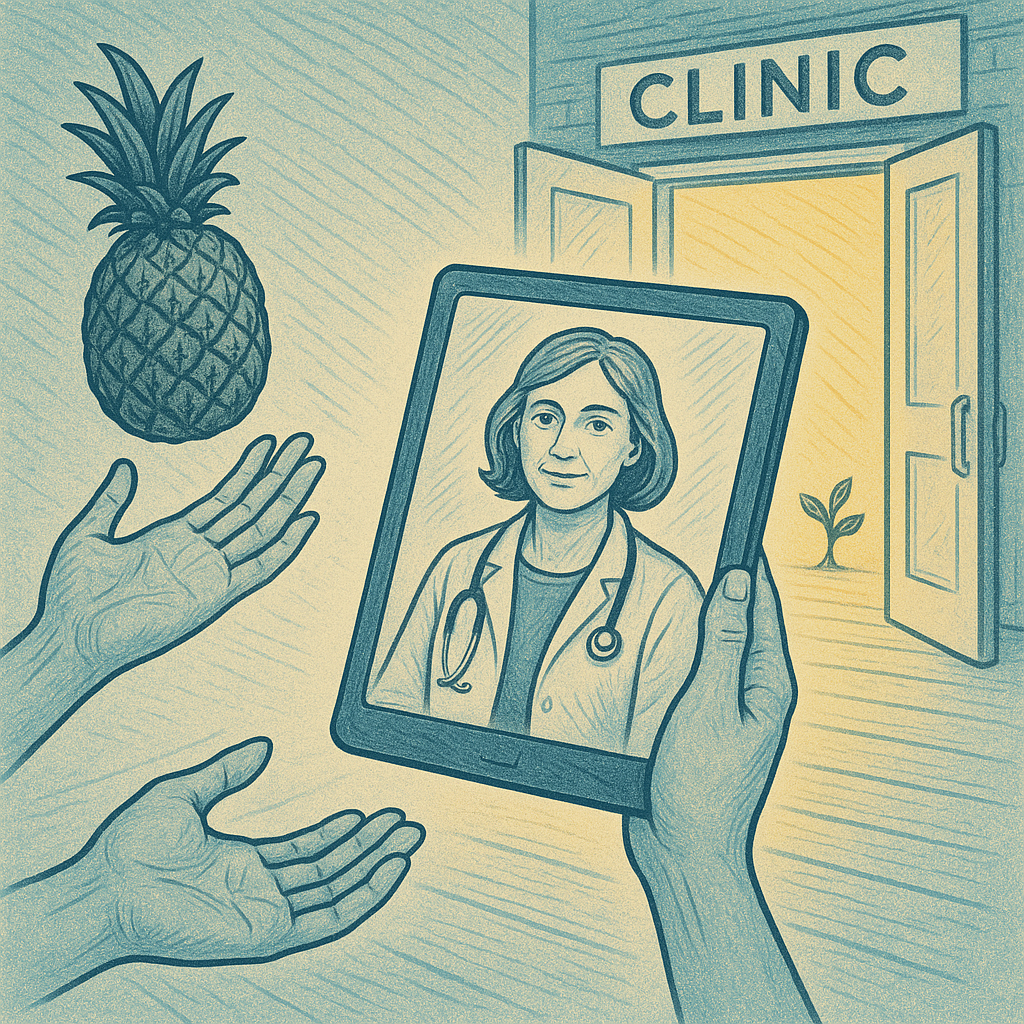
DIY abortion is Russian roulette.
Your life is worth evidence-based care. Safe options exist, even in restrictive areas. Just dig a little better and trust authentic sources of information with real-time genuine abortion hospital reviews. If it’s confidentiality that bothers you, discuss your preferences with the hospital coordinator. Check for reviews of previous patients where they mention their experience, treatment and how the hospital handles confidentiality.
Similarly, introduce yourself to Comprehensive Abortion Care (CAC) guidelines by the World Health Organization (WHO) and find out the safe abortion methods available. Of course, you can then look for the available abortion method at a registered abortion hospital near you.
And even if it means travelling to a distant place for a safe abortion, safety is worth the hassle. Your life and health can be saved just with a little extra step. We see patients coming from distant countries with restricted abortion rules to get safe abortions. They rely not only on safe abortions but also on how confidently they can get the care they deserve and return happier and relieved with a successful procedure.
You deserve a safe abortion that not only safeguards your health and life but also your dignity and choices with care that is free from judgment but full of compassion. Some abortion clinics do not judge you but they treat you. They take care of your emotional and mental well-being just as they care for your physical well-being.

How Much Pineapple Is Safe During Pregnancy? Let’s Talk Evidence
Let’s be unequivocally clear: Pineapple is a nutritious fruit that poses no risk to pregnancy when consumed in normal dietary amounts. It offers real benefits. The danger lies not in the fruit itself, but in the misinformation urging dangerous overconsumption. Here’s what science confirms:
Safe Consumption Guidelines:
| Authority | Recommendation | Rationale
|
| FDA/WHO | 1–2 cups (150–300g) daily | Provides vitamin C, manganese, and fiber without excess sugar or acidity.
|
| American College of Obstetricians (ACOG) | “Enjoy pineapple as part of a balanced diet.” | No evidence linking moderate intake to miscarriage or preterm labor. |
| European Food Safety Authority | “Pineapple is safe in pregnancy.” | Bromelain from food is enzymatically inactivated in the gut. |
Nutritional Benefits vs. DIY Risks
Benefits of Normal Intake:
- Vitamin C: Boosts immunity and iron absorption (critical during pregnancy).
- Manganese: Supports fetal bone development.
- Bromelain: Aids digestion (when eaten with core).
Dangers of Excess Pineapple During Pregnancy:
- Gastric Injury: Bromelain erodes mucosal lining → ulcers.
- Gestational Diabetes Risk: 2 pineapples ≈ 220g sugar → blood sugar spikes.
- Nutrient Imbalance: Displaces protein/iron-rich foods needed for fetal growth.
“I ate pineapple daily throughout my pregnancy—in smoothies, salads, even grilled. My OB encouraged it. My daughter is now a healthy 2-year-old.”
— Shanice, a mother of 2 healthy children
Critical Warnings
- Avoid Unripe Pineapple: Contains 3× more bromelain and acidity → severe mouth/stomach burns.
- Never Use Supplements: “Bromelain pills” contain unregulated, concentrated doses → allergic shock or bleeding but not complete abortion.
- Beware of Herbal Combos: Mixing pineapple with parsley tea or vitamin C megadoses increases toxicity.
Why DIY Abortion Methods Fail (And What Actually Works)
The Biological Reality
The uterus is not a fruit salad. Ending a pregnancy requires:
Medical abortion with safe abortion pills available up to 6 weeks:
- Blocking progesterone (via mifepristone).
- Inducing contractions (via misoprostol).
Vacuum Aspiration with gentle suction available up to 12 weeks:
- Removing the pregnancy products by sucking them in a collection bottle while monitoring the progress of uterus emptying.
Surgical Abortion with D&C or D&E available up to 20 weeks:
- Dilation of the cervix to allow sterile surgical equipment to go in.
- Detaching fetal tissue from the uterine lining by gently scraping.
- Finally, evacuating all the tissues using suction and ensuring a clean womb after a successful abortion.
Pineapple does neither. Trust Science, not unauthorized influencers selling anything on social platforms. Pineapple is a nutritious fruit—not an abortifacient. Besides, while DIY methods risk lives; safe professional care saves them. Your life is worth science, not superstition.
Schedule a safe, legal and confidential abortion in Bangalore appointment.
Related Posts:
- Can Papaya Cause Abortion? How much Papaya for Abortion?
- What Your Abortion Doctor Wishes You Knew: Unfiltered Truths From the Doctor’s Desk
- Respecting Your Choice: Confidential Abortion for DINK Couples
- Can Abortion Cause Adenomyosis? Truth Between the Lines
- Can Abortion Cause Endometriosis? Facts& Risks; Why Safe Abortion Matters?
Quick Links:
- Your Body, Your Health: Are You HPV Aware?
- Abortion and Relationships: How to Discuss Your Decision with Partners, Family, and Friends?
- Abortion Pill Name and Options: Which One Is Best for You?
- “Can Abortion Cause Death? Examining the Evidence”
- Can Abortion Cause Uterine Fibroids: Ask the Doctor
