
Contents of This Post:
- Physical Recovery: What to Expect and How to Heal?
- Managing Pain and Discomfort After Abortion
- Emotional Well-Being: Coping with Feelings After an Abortion
- Self-Care Tips: Nutrition, Rest, and Support Systems
Experiencing an abortion is a significant event, both physically and emotionally. Your body needs time to heal, and your mind may need support too. Taking care of yourself after an abortion is essential for a smooth recovery. With the right steps, you can regain strength and feel better in the days and weeks ahead. Regardless of the abortion method, your body and mind need time and space to recover completely.
Physical recovery varies from person to person. Some may feel fine within a few days, while others take longer. You might experience cramping, bleeding, or fatigue. These are normal, but knowing how to manage them can make recovery easier.
Emotional well-being is just as important. Some people feel relief, while others struggle with sadness, guilt, or anxiety. Whatever you feel is valid. Seeking support from trusted friends, counsellors, or support groups and love from your loved ones can help you process your emotions easily.
You should also know when to reach out for medical help. Certain symptoms, like heavy bleeding or severe pain, require attention. Knowing the signs of complications can prevent serious issues. Also, there are considerations like an incomplete abortion which may need further medical intervention.
This guide will walk you through essential self-care tips. From physical healing to emotional support, we’ll cover everything you need to know. Prioritizing your well-being is the best thing you can do for yourself right now. Let’s start your recovery journey together.
Physical Recovery: What to Expect and How to Heal?
Post-abortion, your physical recovery process depends on the type of procedure you had. Each method—medical abortion, suction abortion, and surgical abortion—affects your body differently. Knowing what to expect can help you take better care of yourself.
How Physical Healing Varies by Abortion Method?
Medical Abortion (Abortion Pills):
A medical abortion involves taking two medications, mifepristone and misoprostol, to end an intrauterine pregnancy which is less than 6 weeks. The process usually happens at home, and heavy bleeding with clots is common for several hours. Cramping can be intense but typically lessens within a day or two. Lighter bleeding may continue for up to four weeks. Fatigue is normal, and it’s best to rest as much as possible. Your body gradually returns to normal, but a follow-up appointment may be necessary to ensure the abortion is complete.
Whether you get the abortion pills at the abortion clinic or take an Unwanted Kit or any MTP kit as per the doctor’s advice and prescription, you can expect to experience abdominal cramps leading to fetal expulsion naturally. Although Unwanted kit bleeding time is a few hours after taking the second medicine, heavy bleeding should start decreasing after 3-4 hours.
After that, you can expect to bleed for a few days which can range from moderate to just spotting. But any sign of spotting, bleeding or abdominal pain beyond day 7 can be because of incomplete abortion. So, it is essential to get an ultrasound at your follow-up appointment to ensure that the abortion is successful.
Suction Abortion (Aspiration Abortion):
A suction abortion is a quick in-clinic procedure, usually lasting less than 10 minutes. Recovery tends to be faster than with a medical abortion. Cramping often eases within a few hours, and bleeding is usually lighter. Some people stop bleeding within a few days, while others may experience spotting for a few weeks. Most feel physically fine within a day or two, but taking it easy for at least 24 hours helps prevent complications.
The risk of incomplete abortion with suction abortion is very low and hence, most women prefer suction abortion rather than abortion pills. Besides, it is a painless procedure under mild sedation with quicker recovery and women returning to normal routine sooner.
Most women prefer suction abortion even though it may come at a slightly higher cost than abortion pills. Since abortion pills come with an uncertainty of the procedure’s success, suction abortion offers an advantage of a successful procedure before the patient returns home. Also, women can resume their routine from the following day itself unlike with abortion pills which may cause heavy bleeding requiring the patient to be at home for more days.
Surgical Abortion (Dilation and Evacuation – D&E):
A surgical abortion is typically done in the second trimester and involves dilation of the cervix followed by removal of pregnancy tissue. Recovery takes longer than with a suction abortion. Cramping may last for several days, and bleeding can continue for up to two weeks. Some experience dizziness, nausea, or mild discomfort from anesthesia. It’s important to avoid strenuous activity and sexual intercourse for at least two weeks to allow proper healing.
How to Support Your Physical Healing?
Regardless of the abortion method, certain steps can help your body recover:
Rest as much as possible.
Your body has gone through a process that requires energy to heal. Avoid heavy lifting and intense physical activity for a few days although you can do some light exercises like breathing exercises and walking.
Manage pain safely.
Over-the-counter pain relievers or as prescribed by the abortion doctor may help reduce cramping. Also, you can use a heating pad to ease discomfort just like you may be doing it to ease menstrual cramps and pain.
Stay hydrated and eat well.
Drink plenty of water and choose nutrient-rich foods like fruits, vegetables, nuts and proteins to help your body regain strength. Take some hot beverages like ginger tea, soup of your choice or some herbal mix teas like chamomile or hibiscus tea.
Monitor your bleeding.
Light to moderate bleeding is normal. Large clots, soaking through more than two pads per hour, or foul-smelling discharge may indicate a problem necessitating immediate action. In such a case, call your doctor right away, explain what you are going through and ask what to do next.
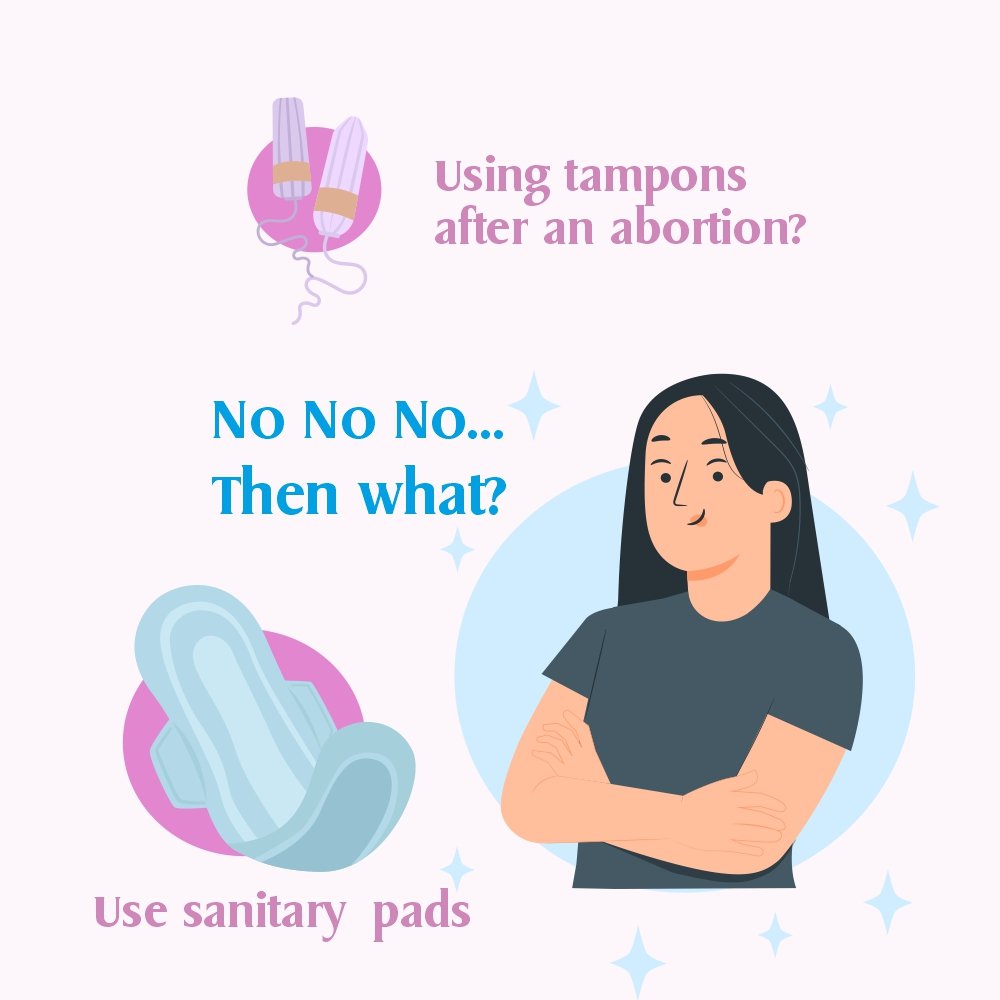
Avoid tampons and intercourse for at least two weeks. This prevents infection while your cervix is still healing. Use pads instead of tampons during bleeding.
Watch for signs of complications.
If you develop a fever, severe pain, or very heavy bleeding, contact a healthcare provider immediately.
Taking care of yourself physically sets the foundation for a smooth recovery. Each person heals at their own pace, so listen to your body and give yourself the time you need. It is always best to have someone by your side as you are recovering, especially for a day or two.
Although you may be recovering at your pace, having someone can not only give emotional support but also be there to help you with your chores. Furthermore, in case of any emergency, your companion can be your support system to take care of you and drive you to the hospital if any need arises.
Managing Pain and Discomfort Safely:
Pain and discomfort are common after an abortion, but you can take steps to manage them effectively. The level of pain varies depending on the abortion method, your body’s response, and your pain tolerance. Understanding what to expect and how to relieve discomfort can make recovery easier.
How Pain and Discomfort Vary by Abortion Method?
Medical Abortion (Abortion Pills):
Cramps can be severe, especially after taking misoprostol. This happens as the uterus contracts to expel the pregnancy. Some women find the pain very miserable and therefore suggest others to better proceed with suction abortion rather than abortion pills.
Pain is often strongest in the first 4-6 hours after taking misoprostol and usually improves within a day. Some people experience nausea, diarrhoea, headache, or dizziness due to the medications. Cramps may return in waves for a few days, but they are usually milder after the initial phase.
But mild pain can continue for days and even weeks which should eventually improve as the bleeding gets light and stops. However, continuous or unbearable pain not even relieved by pain relievers may be because of some complication. So, if such a thing happens to you, do not ignore it and seek medical help.
Suction Abortion (Aspiration Abortion):
Cramping is common during and immediately after the procedure, but it usually improves within a few hours. However, cramps with suction abortion under mild sedation are negligible. Some may have mild to moderate cramps for a few days as the uterus shrinks back to its normal size.

In comparison with abortion pills, suction abortion offers a more comfortable abortion experience not only in terms of cramps, pain and recovery but most importantly efficiency. Continued cramps and pain with abortion pills can be because of incomplete abortion, which is usually not the case with suction abortion.
So, pain with suction abortion is typically milder than in a medical abortion and easier to control with medication.
Surgical Abortion (Dilation and Evacuation – D&E):
Since this procedure is performed under sedation or anaesthesia, pain is not felt during the abortion itself. After the procedure, cramping can last for several days and may be more intense than with suction abortion.
Some may experience bloating, lower back pain, or fatigue because of advanced pregnancy taking more time to heal. If general anaesthesia is used, dizziness or nausea may persist for a short time. Bangalore Genesis Hospital (BGH), a certified abortion clinic near you uses mild sedation for D&E procedures, available for terminating pregnancies between 12-20 weeks.
Effective Ways to Manage Post-Abortion Pain:
- Using pain relievers as recommended is the best option for reducing cramping. However, avoid aspirin, as it can increase bleeding. Besides, always follow dosage instructions.
- Apply heat to your lower abdomen. A heating pad or warm water bottle can help relax muscles and ease cramps. A warm bath may also be soothing. But do not douche.
- Stay hydrated because dehydration can make cramping feel worse. So, drink plenty of water, coconut water and herbal teas. Avoid caffeine and alcohol, as they can cause dehydration and increase discomfort.
- Rest, but stay lightly active. Too much lying down can cause blood to pool, worsening cramps. Gentle movement, like short walks or a gentle stroll, can help reduce pain.
- Try relaxation techniques. Deep breathing, meditation, or gentle stretching may help your body relax and reduce tension.
- Wear loose, comfortable clothing. Tight waistbands can put pressure on your abdomen and make discomfort worse.
When to Contact a Doctor for Pain with Abortion?
Pain should gradually improve, not get worse. Seek medical help if:
- Cramps become unbearable and do not improve with medication.
- Pain is sharp, severe, or concentrated on one side.
- You have a fever (over 100.4°F or 38°C), which could indicate infection.
- Bleeding is hefty and accompanied by severe pain.
Pain management is an important part of your recovery. With the right care, discomfort will ease over time, and your body will begin to feel normal again. Listen to your body, and don’t hesitate to reach out for support if needed.
Emotional Well-Being: Coping with Feelings After an Abortion
An abortion is not just a physical experience—it can also bring up a range of emotions. Everyone processes it differently. Some may feel relief after opting out of an unwanted pregnancy, while others struggle with sadness, guilt, or uncertainty.
Why a woman opts for an abortion can influence how she feels after getting one. Women who often have to undergo an abortion due to fetal anomalies or high-risk pregnancies with risk to their health or life struggle with grief. On the other hand, unmarried women, live-in partners or DINK couples may find relief after abortion of unwanted pregnancies.
Some women on the other hand may experience mixed feelings, and that’s completely normal. Taking care of your emotional well-being is just as important as your physical recovery. While physical bruises can heal within the expected timeframe, emotional scars may take longer. So, it’s important to recover emotionally as well after the abortion.
How Emotions Can Vary?
Medical Abortion (Abortion Pills):
Since this process happens at home, some people feel more in control, while others find it emotionally overwhelming. Watching the pregnancy pass can be distressing for some, while others feel relief once it’s over. Since abortion pills are a choice only for very early pregnancies, the pregnancy tissue at such a stage is so small that one may not realize it while having passed it just like a clot. But with increasing gestation age, the size increases and some women may find it emotionally overwhelming to see it pass.
Additionally, hormonal shifts may intensify mood swings, sadness, or anxiety. But, it’s important to acknowledge your emotions, especially if you are finding it difficult to cope on your own. Please talk to your partner, a trusted friend or someone who shares a deep emotional seat with you. Your loved one can help you heal better than anything or anyone else can do for your emotional recovery after abortion.
Suction Abortion (Aspiration Abortion):
Since the procedure is quick, many feel a sense of closure soon after. Some may experience relief right away, while others process emotions gradually over time. Hormonal changes can cause mood swings, even if you feel confident in your decision.
Suction abortion completes quickly which gives a limited time to the patient to experience what she may experience with abortion pills. So, women undergoing suction abortion often feel an earlier closure. Besides, the success of the procedure without any uncertainty helps them move on confidently. They can further work on complete healing to prepare their body and mind for a successful pregnancy if it is a planned pregnancy abortion.
For unwanted pregnancy abortion, one can also get a copper-T after abortion to avoid further unwanted pregnancies.
Surgical Abortion (Dilation and Evacuation – D&E):
People who undergo surgical abortion, especially in the second trimester, may have more complex emotions due to the later stage of pregnancy. Most second-trimester abortions are for pregnancies at risk of developmental disorders or where they pose a threat to a pregnant woman’s life.
By this time, an emotional attachment and expectation with the upcoming child takes emotions at another level. So, recovery may take longer, and feelings of grief, sadness, or relief can come in waves. Some may struggle with the stigma or judgment from others, which can make emotional healing more challenging.
Ways to Support Your Emotional Recovery as a Part of Post-Abortion Care:
- Acknowledge your feelings. Whatever you feel—relief, sadness, anger, or confusion—is valid, normal and something that will pass. Suppressing emotions can make healing harder.
- Talk to someone you trust. Confiding in a supportive friend, partner, or therapist can help you process your emotions and remember that you don’t have to go through this alone.
- Write down your thoughts. Journaling can be a safe way to express your feelings and track your emotional healing.
- Limit exposure to judgmental opinions. Social media, certain conversations, or negative environments can make you feel worse. So, protect your mental space and stay aloof from such platforms or communities that can make your feelings worse. Rather, you can try yoga and meditation. They are highly effective in restoring peace of mind when it comes to an agitated situation like a cocktail of emotions post-abortion.
- Practice self-compassion. Remind yourself why you made this decision and give yourself grace. You did what was best for you, your health and even for the pregnancy.
- Engage in activities that bring comfort. Whether it’s watching a favourite show, reading, or spending time in nature, find small ways to nurture yourself.
- Consider professional support. If emotions feel overwhelming or persistent, talking to a counsellor or joining a support group can help.
When to Seek Professional Help?
Some emotional reactions are strong and may require extra support. Reach out to a therapist or doctor if you:
- Feel persistently sad, numb, or hopeless.
- Struggle with intense guilt or regret that affects daily life.
- Experience panic attacks, nightmares, or flashbacks.
- Withdraw from loved ones or lose interest in things you once enjoyed.
- Have thoughts of self-harm or suicide or even of harming someone else (seek help immediately).
Abortion is a deeply personal experience, and emotional healing takes time. Be gentle with yourself, and know that whatever you feel is part of the process. Support is available, and you don’t have to navigate this alone for this is just a part of your journey. There are better things ahead on the road.
Self-Care Tips: Nutrition, Rest, and Support Systems:
Taking care of your body and mind after an abortion is essential for a smooth recovery. Prioritizing self-care can make a big difference in your overall well-being.
Rest and Gentle Movement:
Give your body time to rest. Your body is healing, so avoid strenuous activities for a few days. If possible, take time off work or daily responsibilities.
Listen to your energy levels.
Fatigue is common, especially after a medical or surgical abortion. Rest as needed, but don’t feel guilty about getting back to normal at your own pace.
Every woman is unique and you may need more or less rest than any other woman. So, do not compare yourself with anyone. Listen to your body and answer with as much rest as you need to recover. There’s no point in resuming your responsibilities in an unhealthy state. This will only harm your performance and health than do any better. So, take rest until you feel fine both physically as well as emotionally.
Incorporate light movement.
Gentle walks can improve circulation and prevent stiffness. However, avoid intense exercise until you feel ready. Even though you may be a fitness enthusiast, resting for a while can give you a better comeback rather than starting intense earlier. Think broad. Think on a larger perspective as finally, this is going to help you only. A healthy body and a calm mind can perform better than a healing body and an anxious mind.
Nourishing Your Body
- Stay hydrated. Drink plenty of water, herbal teas, or electrolyte-rich drinks to replenish fluids lost during bleeding. Coconut water is very good to take while healing.
- Eat nutrient-rich foods. Focus on iron-rich foods like leafy greens, beans, and lean meats to help replenish blood levels. Include proteins, whole grains, and healthy fats to support healing.
- Limit processed foods. Avoid excessive sugar, caffeine, and alcohol, as they can worsen fatigue and affect mood.
- Consider supplements. If you lose a significant amount of blood, your doctor may recommend iron or vitamin B12 supplements.
Building a Support System
- Surround yourself with supportive people. Talking to someone who understands can be comforting. If you don’t feel comfortable discussing it with friends or family, online or in-person support groups can help.
- Set boundaries with unsupportive individuals. If someone is making you feel guilty or judged, it’s okay to step back and protect your mental well-being.
- Practice self-compassion. Remind yourself that recovery—physically and emotionally—takes time. Be patient with yourself and avoid self-criticism.
- Engage in activities that bring peace. Whether it’s meditation, music, reading, or creative hobbies, find ways to relax and nurture your mind.
Recovering from an abortion involves both physical and emotional healing. Every person’s experience is different, so it’s important to listen to your body and prioritize self-care. Give yourself the rest you need, nourish your body with healthy foods, and reach out for support when needed. Pain and discomfort will ease with time, and emotions will settle as you process your experience.
You are not alone in this journey. No matter how you feel, your experience is valid, and you deserve care and compassion. Healing takes time, but with the right steps, you will feel stronger again. Be kind to yourself, and take things one day at a time.
Contact our Abortion in Bangalore Helpdesk
Related Posts:
- Bangalore Genesis Hospital Reviews: Some Abortion Stories
- FAQs About Abortion at 2 Months: Everything You Need to Know
- Can the pull-out method prevent an unwanted pregnancy?
- Which diagnostic tests should you get before an abortion?
- How to Prevent Pelvic Inflammatory Disease with Abortion?
Quick Links:
- What to do if you do not bleed after taking Unwanted Kit?
- Can you get pregnant if just the tip went in? What are abortion options?
- Can abortion cause PCOS? The Abortion Doctor Answers
- Want to Know the Abortion Pill Cost? We’ve Got You Covered
- MTP Procedure Cost: How to Choose Cost-effective Abortion
- Hire a cab for the abortion hospital near you
