
Contents of This Post:
- Understanding Uterine Fibroids: What Are They?
- The Misconception: Abortion and Fibroid Development
- Safe Abortions: A Look at the Procedures
- Factors That Might Influence Fibroid Development Post-Abortion
- The Role of Hormonal Changes in Fibroid Growth
- Studies and Research: What Does the Science Say?
- Potential Complications and Risk Factors Post-Abortion
- Differentiating Symptoms: Fibroids vs. Post-Abortion Complications
- Is it possible to remove any pre-existing fibroids during the abortion?
- Prioritizing Safe and Informed Choices
A question lingers in many minds: ‘Can abortion cause uterine fibroids?‘ Misconceptions can always waiver in between fact and fiction due to lack of knowledge and understanding. Women seek answers, but fear can cloud their judgment. We aim to clarify this complex issue. Uterine fibroids are some growths or cell masses of benign nature growing within the uterus. Abortions terminate pregnancies. But does one lead to the other?
Safe abortion procedures are performed by medical professionals. These procedures vary, including medical and surgical methods. A woman’s age and overall health play significant roles.
We will also delve into the scientific evidence. Studies explore the relationship between abortion and fibroid development. Hormonal changes, influenced by pregnancy and abortion, may also impact fibroid growth. We will examine these connections. However, you need to know that there is a difference between the correlation between abortion and fibroids and directly abortion causing fibroids.
This post will guide you through potential concerns and differentiate between symptoms. We empower you with accurate information. Let’s separate myth from reality and prioritize your uterine health.
Understanding Uterine Fibroids: What Are They?
Uterine fibroids are benign, non-cancerous tumours. They grow within the muscle tissue of the uterus. Doctors also call them leiomyomas or myomas. They vary in size. Some are as small as a pea. On the other hand, others also benign, can grow large enough to resemble a grapefruit in size. Fibroids can develop inside the uterine wall, on the outside surface of the uterus, or within the uterine cavity.
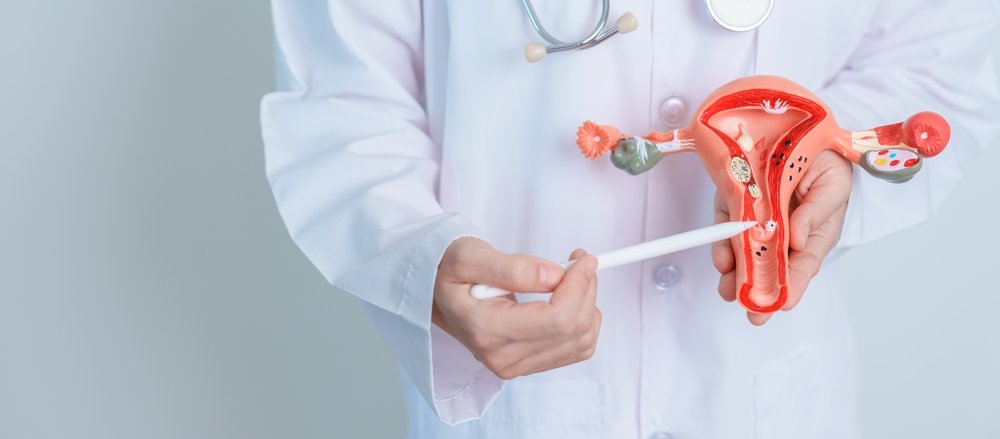
Women often discover fibroids during routine pelvic exams or ultrasounds. Most often, women with fibroids do not experience any particular symptoms. However, some women report a range of symptoms. These include:
- Heavy menstrual bleeding
- Prolonged menstrual periods
- Pelvic pain or pressure
- Frequent urination
- Constipation
- Back pain
Doctors do not fully understand what causes fibroids. Hormonal factors, genetics, and other growth factors likely play a role. Estrogen and progesterone, the female reproductive hormones, stimulate fibroid growth. This explains why fibroids often shrink after menopause when hormone levels decrease.
Fibroids are common. Many women develop them during their reproductive years, and they can impact a woman’s quality of life. Doctors offer various treatment options for symptomatic fibroids, including medications, minimally invasive procedures, and surgery.
The best treatment approach depends on the size, location, and symptoms of the fibroids, as well as the woman’s desire for future pregnancies. And that’s because although a safe abortion may not cause fibroids the presence of fibroids can lead to spontaneous abortion or miscarriage.
The Misconception: Abortion and Fibroid Development
A common misconception exists: abortion causes uterine fibroids. This belief circulates, causing unnecessary fear and anxiety. Therefore, it is important to clarify: that safe, medically performed abortions do not directly cause fibroid development.
The origin of this myth is unclear. It may stem from the fact that both abortion and fibroids involve changes within the uterus. However, the mechanisms are entirely different. Abortion terminates a pregnancy. Fibroids are benign growths of uterine muscle tissue. These are separate biological processes.
Some may associate hormonal shifts after an abortion with fibroid growth. However, hormonal fluctuations occur during any pregnancy, regardless of the outcome. These changes do not uniquely trigger fibroids after an abortion.
It is crucial to distinguish between safe, medical abortions and unsafe or incomplete procedures. Unsafe abortions, especially those performed in unsanitary conditions, can lead to infections. Infections can cause various complications, but they do not directly cause fibroids.
We must emphasize: that reliable medical evidence does not support the claim that safe abortions cause fibroids. This misconception can create undue stress and prevent women from making informed healthcare decisions. Accurate information empowers women. It allows them to understand their bodies and make choices based on facts, not fear.
Safe Abortions: A Look at the Procedures:
To understand the relationship between abortion and fibroids, it’s essential to examine the procedures involved in safe abortions. Medical professionals perform safe abortions. They utilize three primary methods: medical abortion, suction aspiration, and Dilation and Curettage (D&C) or Dilation and Evacuation (D&E).
Medical Abortion:
This method relies on medications to terminate a pregnancy. Doctors typically administer mifepristone first, usually orally. This drug blocks the hormone progesterone, which is essential for pregnancy continuation and in the absence of which the fetal growth halts.
Subsequently, they prescribe misoprostol. Usually, the patient takes Misoprostol tablets (usually 4) at home after 24-72 hours of taking Mifepristone. These tablets are the same as you may find in any MTP kit or Unwanted Kit. This medication induces uterine contractions, leading to the expulsion of pregnancy tissue, just as it may happen during a miscarriage. A heavy period with a little larger clots and heavy bleeding accompanied by strong abdominal cramps for a few hours is what you can expect with a medical abortion.
Medical abortions are generally performed during the early stages of intrauterine pregnancy, and at Bangalore Genesis Hospital (BGH), a certified and registered abortion centre near you, we often do not prescribe abortion pills beyond 6 weeks as there is always a risk of incomplete abortion.
This method does not involve surgical instruments entering the uterus. So, it does not directly cause any disruption in the uterine muscles. However, ahead in the post, we will discuss the potential of hormone imbalance that can cause fibroids and its significance with data backed by research and clinical evidence.
Suction Aspiration (Vacuum Aspiration):
This abortion method employs gentle suction to remove pregnancy tissue from the uterus and usually does not involve any hormone medicines that can disrupt the balance. Doctors use a small tube inserted into the uterus through the cervix. Being soft, flexible and slender, it passes the cervix easily. Besides, being disposable and pre-sterilized, it minimises the risk of infection.
Then, a vacuum device gently removes the pregnancy tissue as the abortion doctor creates gentle suction, either with a manual hand-held operator or using an electric pump. Suction aspiration is commonly available for ending intrauterine pregnancies in the first trimester, up to 12 weeks in most cases and up to 14 weeks in some cases.
This is a relatively quick and safe procedure and does not cause any damage to the cervix, uterus or other internal organs. However, it is very important to visit only a registered and certified abortion clinic for a procedure that follows all guidelines and standard operating procedures while performing abortions.
Unsafe abortions at the hands of unprofessionals can cause damage to the reproductive tract, including uterine walls. So, avoid unsafe practices and avail of only safe abortions.
Dilation and Curettage (D&C) or Dilation and Evacuation (D&E):
These surgical methods are used later in pregnancy, typically in the second trimester, between 12-20 weeks, up to when abortion in Bangalore is legal. The first step of the abortion method involves dilating the cervix to allow sterile surgical tools in after mild sedation. Dilation involves softening and widening the cervix to allow access to the uterus.
D&C involves using a curette, a surgical instrument, to remove tissue. It has been the traditional surgical method of abortion for years. However, with advancements in equipment and technique and the availability of trained abortion doctors, D&E is a better approach. However, not all hospitals provide D&E services, with D&C still being used in most abortion centres.
D&E involves using both suction and surgical instruments to remove the pregnancy tissue. Hence, it is more efficient and comfortable for the patient. Besides, the doctor is more confident of a successful abortion as the suction pressure sucks all pregnancy remnants easily and completely.
Both types of these procedures are performed in a sterile medical environment, by trained professionals.
All three methods, when performed by qualified healthcare professionals, are considered safe. They carry minimal risk of complications. Critically, none of these methods directly causes the development of uterine fibroids. They are focused on the removal of pregnancy tissue, not the generation of uterine tissue growth.
Factors That Might Influence Fibroid Development Post-Abortion
While safe abortions do not directly cause fibroids, certain factors can influence fibroid development or growth, and these may coincide with the time of an abortion. It’s crucial to understand these factors to distinguish correlation from causation.
Age:
Fibroids are more common in women during their reproductive years, particularly in their 30s and 40s. If an abortion occurs during this age range, the woman is already at a higher risk of developing fibroids, regardless of the procedure.
Therefore, a diagnosis of fibroids after an abortion may simply reflect the natural age-related increase in fibroid prevalence.
Hormonal Influences:
Pregnancy and abortion both involve significant hormonal fluctuations. Estrogen and progesterone, which are elevated during pregnancy, can stimulate fibroid growth.
The hormonal changes following an abortion can also influence fibroid growth, though not directly cause their initial formation. Pre-existing small fibroids may experience a growth spurt due to these hormonal shifts.
Genetic Predisposition:
A family history of fibroids increases a woman’s risk of developing them. If a woman with a genetic predisposition undergoes an abortion, she may still develop fibroids due to her inherited risk. This is independent of the abortion itself.
Medical History:
Certain medical conditions and lifestyle factors, such as obesity and vitamin D deficiency, have been associated with an increased risk of fibroids. If a woman with these risk factors undergoes an abortion, she remains at an elevated risk of fibroid development.
Pre-existing Fibroids:
Many women have small, asymptomatic fibroids that may go undetected. Hormonal changes or other factors surrounding an abortion can cause these pre-existing fibroids to grow or become symptomatic. This growth may be mistakenly attributed to the abortion procedure.
It is important to remember that these factors do not establish a causal link between abortion and fibroids. They highlight the importance of considering individual risk factors when evaluating fibroid development.
The Role of Hormonal Changes in Fibroid Growth:
Hormonal fluctuations play a significant role in both pregnancy and fibroid development. Understanding these changes is essential to clarify the relationship between abortion and fibroids.
Hormones During Pregnancy:
During pregnancy, estrogen and progesterone levels surge. These hormones support the growth and maintenance of the uterine lining and the developing fetus. Elevated estrogen and progesterone can also stimulate the growth of pre-existing fibroids or contribute to the development of new ones. This hormonal environment creates a favourable condition for fibroid growth.
Hormones After Abortion:
Following an abortion, whether medical or surgical, hormone levels decline. This drop is more rapid than the gradual decline after a full-term pregnancy. This sudden shift can influence fibroid growth. Some small fibroids may shrink as hormone levels decrease. However, in some cases, the hormonal fluctuation itself can cause fibroids to grow, or cause symptoms to present themselves. The degree of hormonal change can vary depending on the gestation age at the time of abortion.
Estrogen and Progesterone Receptors:
Fibroids have estrogen and progesterone receptors. This means that these hormones can directly influence fibroid cell growth. The hormonal changes associated with both pregnancy and abortion can therefore affect fibroid size and symptoms.
Growth Factors:
Hormones also influence the production of growth factors that contribute to fibroid development. These growth factors can stimulate cell proliferation and extracellular matrix production within fibroids. The complex interplay between hormones and growth factors is not fully understood, but hormonal changes can significantly impact fibroid growth.
It is crucial to recognize that hormonal changes are a natural part of both pregnancy and abortion. These changes can influence fibroid growth, but they do not establish a causal link between safe abortions and the initial development of fibroids.
Studies and Research: What Does the Science Say On Correlation Between Abortion and Fibroids?
Scientific research plays a crucial role in understanding the relationship between abortion and uterine fibroids. While anecdotal evidence and misconceptions persist, it’s essential to examine what the studies reveal.
Lack of Direct Causation:
Most reputable studies have found no direct causal link between safe, medically performed abortions and the development of uterine fibroids.
For example, a large-scale cohort study published in the American Journal of Epidemiology examined the long-term reproductive health of women and found no significant association between induced abortion and the subsequent development of fibroids.
Research emphasizes that fibroids are influenced by various factors, including genetics, hormonal influences, and age, which are independent of abortion procedures.
Hormonal Influence Studies:
Some studies explore the impact of hormonal fluctuations associated with pregnancy and abortion on fibroid growth.
Research published in the Journal of Clinical Endocrinology & Metabolism has investigated the role of estrogen and progesterone receptors in fibroid tissue, demonstrating how hormonal changes can influence fibroid size.
These studies acknowledge that hormonal changes can influence the size and symptoms of pre-existing fibroids. However, they do not establish that these changes initiate the formation of new fibroids.
Methodological Considerations:
It is important to evaluate the methodology of studies. Well-designed studies control for confounding factors, such as age, medical history, and genetic predisposition. Studies with large sample sizes and long-term follow-up periods provide more reliable results.
Contradictory or Inconclusive Findings:
Occasionally, studies may present contradictory or inconclusive findings. This can occur due to variations in study design, population samples, or data analysis. In such cases, it is crucial to consider the overall weight of scientific evidence.
Focus on Safe Procedures:
Research consistently highlights the safety of medically performed abortions. Studies published in journals like Obstetrics & Gynecology have demonstrated the low complication rates associated with safe abortion procedures.
Studies emphasize that complications are rare when procedures are performed by qualified healthcare professionals in sterile environments.
Long-term studies:
Long-term studies that follow women over decades, and record reproductive history, and fibroid development are the best to understand the true relationship between the two. These studies are difficult to perform and are therefore rarer.
Potential Complications and Risk Factors Post-Abortion:
While safe abortions are generally low-risk procedures, it’s important to be aware of potential complications and risk factors that can arise post-abortion. These complications are not directly related to fibroid development, but they can cause symptoms that might be confused with fibroid-related issues.
Infection:
Infections can occur after any intrauterine procedure, including abortion. Symptoms include fever, chills, pelvic pain, and foul-smelling vaginal discharge. Prompt medical attention is essential to prevent serious complications like pelvic inflammatory disease (PID).

Infections are more common with unsafe abortion practices at the hands of quacks or in unhygienic conditions.
Incomplete Abortion:
This occurs when some pregnancy tissue remains in the uterus after the procedure. Symptoms include prolonged bleeding, cramping, and pelvic pain. Further medical intervention, such as a repeat procedure, may be necessary.

Excessive Bleeding:
Some bleeding is normal after an abortion. But excessive bleeding can be a sign of a complication. Heavy bleeding can lead to anaemia and require medical treatment.
Retained Products of Conception (RPOC):
This refers to the retention of placental or fetal tissue in the uterus. RPOC can cause pain, bleeding, and infection. Medical or surgical intervention is required to remove the retained tissue.
Uterine Perforation:
Although rare, uterine perforation can occur during surgical abortion procedures. This involves a puncture in the uterine wall and can lead to internal bleeding and infection. However, this risk is very low when an experienced and trained doctor performs an abortion while it is more at unregistered centres by untrained people through backdoors.
Emotional and Psychological Effects:
Some women may experience emotional distress, anxiety, guilt, grief or depression after an abortion just like some may feel relieved by opting out of an unwanted pregnancy. All kinds of emotions are valid, natural, and real and one may need time to process them. In difficult or unmanageable situations, counselling and support services can help women cope with these feelings.
Pre-existing Conditions:
Women with pre-existing medical conditions, such as bleeding disorders or immune deficiencies, may be at a higher risk of complications.
It is crucial to emphasize that these complications are generally rare when abortions are performed by qualified healthcare professionals in sterile environments. While prompt medical attention can effectively manage these issues, they are largely preventable and registered abortion centres take effective measures to ensure safe and risk-free procedures.
Differentiating between post-abortion complications and uterine fibroid symptoms:
After an abortion, some women may experience symptoms that could be confused with those caused by uterine fibroids. It’s essential to understand the differences to seek appropriate medical care.
Post-Abortion Complications:
- Bleeding: Expect some bleeding after an abortion, but heavy or prolonged bleeding, especially with large clots, is a warning sign of complications like incomplete abortion or infection.
- Pain: Cramping is normal, but severe, persistent pelvic pain, particularly with fever or chills, could indicate infection or retained tissue.
- Fever and Chills: These are strong indicators of infection and require immediate medical attention.
- Foul-smelling Discharge: An unusual or foul-smelling vaginal discharge is a sign of infection.
- Sudden or Severe Pain: Sudden or severe abdominal pain may point to uterine perforation or other serious issues.
Fibroid Symptoms:
Heavy or Prolonged Menstrual Bleeding:
Fibroids often cause heavier and longer periods than usual. Here, we are talking about normal periods that are prolonged which is different from post-abortion bleeding. Post-abortion bleeding is one time after a successful abortion but fibroids usually cause prolonged period bleeding.
Pelvic Pressure or Pain:
A sensation of fullness or pressure in the lower abdomen, or a dull ache, is common with fibroids. With abortion, this feeling of fullness decreases after the abortion.
Frequent Urination:
Large fibroids can press on the bladder, leading to increased urinary frequency. However, with abortion in case, frequent urination is common before abortion, as with pregnancy as there is a constant pressure of the increasing uterus size on the urinary bladder. After abortion, this pressure decreases and consequently urge for frequent urination decreases.
Constipation:
Fibroids can press on the rectum, causing difficulty with bowel movements. Again, this symptom is common with pregnancies before abortion and usually subside after the abortion.
Back Pain:
Fibroids can cause back pain, especially in the lower back. This can feel different from abortion pain as pain with abortion can be experienced mostly in the lower abdomen and backache is common with increased gestation age. Usually, early pregnancies and abortions at early stages do not cause pain in the back region.
Enlarged Abdomen:
In some cases, large fibroids can cause noticeable abdominal swelling.
Key Differences:
- Timing: Post-abortion complications typically appear within days or weeks after the procedure. Fibroid symptoms may develop gradually over time.
- Fever and Chills: These are hallmark signs of infection, a post-abortion complication, but not usually associated with fibroids.
- Discharge: Foul-smelling discharge suggests infection, not fibroids.
- Sudden vs. Gradual: Post-abortion complications often present with sudden or rapidly worsening symptoms, while fibroid symptoms may be more gradual.
If you experience any concerning symptoms after an abortion, or if you suspect you may have fibroids, it is crucial to seek medical advice. A healthcare provider can perform a physical examination and imaging studies to determine the cause of your symptoms and recommend appropriate treatment.
Is it possible to remove any pre-existing fibroids during the abortion?
While medical abortions using pills do not allow for fibroid removal, it is sometimes possible to remove small, accessible fibroids during surgical procedures like suction aspiration or D&C/D&E.
The feasibility depends on the size, location, and type of fibroid, as well as the gestational age. This would be decided by the operating doctor on a case-by-case basis. The doctors at Bangalore Genesis Hospital will evaluate your specific situation and discuss all available options with you.
Prioritizing Safe and Informed Choices:
Understanding the relationship between abortion and uterine fibroids is crucial for women making informed healthcare decisions. While misconceptions may persist, scientific evidence strongly indicates that safe, medically performed abortions do not directly cause fibroid development.
Hormonal fluctuations, age, and genetic predispositions play a more significant role in fibroid growth. However, complications can arise post-abortion, and differentiating these symptoms from fibroid-related issues is essential. Prioritize your health by seeking professional medical guidance and avoiding unsafe abortion methods.
If you are facing an unplanned pregnancy and considering abortion, remember that safe, legal, and confidential options are available. At Bangalore Genesis Hospital, a registered abortion centre in Bangalore, we provide comprehensive abortion care up to 20 weeks of gestation. Our experienced medical professionals prioritize your safety and well-being. During a safe abortion, our doctors carefully consider any pre-existing fibroids and exercise complete caution to minimize potential complications.
Choose safety and confidentiality. Contact Bangalore Genesis Hospital today to schedule a consultation and receive the compassionate care you deserve.
Contact us for your safe abortion options.
Related Posts:
- Increasing E-consults for Reproductive Health: Addressing Unplanned Pregnancy, Abortion and Beyond
- How to Take Care of Yourself After an Abortion?
- FAQs About Abortion at 2 Months: Everything You Need to Know
- Respecting Your Choice: Confidential Abortion for DINK Couples
- Which diagnostic tests should you get before an abortion?
Quick Links:
- What to do if you do not bleed after taking Unwanted Kit?
- Can you get pregnant if just the tip went in? What are abortion options?
- Can abortion cause PCOS? The Abortion Doctor Answers
- Want to Know the Abortion Pill Cost? We’ve Got You Covered
- Abortion Doctor for 40 yrs Explains Transition of Painful Abortions to Painless Abortions
