
Contents of This Post:
- More Than Just a Date: Understanding the Menstrual Cycle: Your Body’s Rhythm
- From Puberty to Perimenopause: Common Reasons for a Delayed Period
- Exploring New Chapters: When You Become Sexually Active
- “Can I Be Pregnant?” Understanding Contraceptive Failure
- The Power of Knowing: Why Early Diagnosis Matters
- Choosing Your Path: Navigating an Unplanned Pregnancy
- The Hidden Dangers of Unofficial “Quick Fixes”
- Bangalore Genesis Hospital: Your Sanctuary for Safe, Legal, and Private Care
Missing a period can feel like the world has suddenly tilted off its axis. Whether you find yourself staring at a calendar with a sense of quiet confusion or a racing heart, please pause. You are one of every third women struggling with one of the common reasons for a delayed period. It can just be a burnout. Or a hormone(s) slipping off or racing ahead.
Your body is a complex, living system that occasionally fluctuates. And a delay does not always mean the worst-case scenario. We want to help you navigate this uncertainty with clarity, warmth, and the medical facts you need to make the best decisions for your health.
More Than Just a Date: Understanding the Menstrual Rhythm of Your Body
First, we must acknowledge that a “perfect” 28-day cycle exists more in textbooks than in real life. While we often track our periods like clockwork, our bodies rarely follow a rigid digital schedule.
In fact, the Federation of Obstetric and Gynaecological Societies of India (FOGSI) notes that a significant number of women experience cycle variations at some point due to lifestyle and environmental factors. Consequently, if your period arrives a few days late, it might simply be your body reacting to a hectic week or a change in your routine.
Hormones act as delicate messengers that respond to your environment. When you experience high levels of stress, your brain often triggers a “fight or flight” response. This reaction can temporarily pause ovulation because your body prioritises survival over reproduction. Similarly, sudden weight changes, intense exercise, or even a bout of the flu can throw your cycle off balance.
Real-life conversations have started to break the silence around this unpredictability.
For instance, many Indian influencers and health advocates now speak openly about how travel or work burnout delayed their cycles for weeks. These stories remind us that a late period is often a signal from your body to slow down and listen, rather than an immediate reason for panic. However, understanding your unique rhythm is the first step toward regaining control. By tracking your menstrual cycle over several months, you gain a clearer picture of what “normal” looks like for you, allowing you to spot true irregularities early.
Moreover, recognising these natural fluctuations helps remove the stigma and fear often associated with reproductive health. Instead of viewing a delay as a failure or a frightening mystery, try to see it as a prompt for a health check-in. Whether you are dealing with the onset of puberty or navigating the shifts of perimenopause, your body’s timing tells a story that deserves your attention and care.
From Puberty to Perimenopause: Common Reasons for a Delayed Period
Hormonal changes naturally define every stage of a woman’s life. From the moment you have your first period to the years leading up to your last, your reproductive system undergoes constant shifts. Understanding these biological milestones helps you distinguish between a temporary hiccup and a condition that requires medical attention.
The Early Years: Navigating Puberty
If you are a young woman who recently started menstruating, your body often resembles a musical instrument that a player is still learning to tune. During the first two to three years of puberty, the communication between your brain and your ovaries remains a work in progress. Consequently, many teenagers experience irregular or skipped periods. Medical experts typically consider this “irregularity” normal during the teenage years as the body establishes its unique hormonal rhythm.
PCOS: The Silent Epidemic in India
For women in their 20s and 30s, Polycystic Ovary Syndrome (PCOS) stands as one of the most common reasons for a missed period. In fact, a 2025 study published in a leading medical journal tracking young women in urban India found a prevalence rate of 17.4%, with nearly 30% of these cases being newly diagnosed during the study. This means thousands of women live with PCOS without even knowing it.
PCOS causes your body to produce slightly higher levels of male hormones (androgens), which can stop your ovaries from releasing an egg every month. This delay often results in:
- Irregular or totally absent periods.
- Sudden weight gain around the belly.
- Persistent acne or thinning hair.
Real-life conversations have helped break the silence around this condition. For example, Bollywood actors like Sara Ali Khan and Sonam Kapoor have spoken courageously about their battles with PCOS. Sara famously shared how the condition affected her weight and confidence during her college years, while Sonam has advocated for mindful eating and lifestyle changes to manage her symptoms. Their stories remind us that PCOS is a manageable medical condition, not a source of shame.
The Thyroid Connection
Your thyroid gland acts as the master controller of your metabolism. When your thyroid becomes overactive (hyperthyroidism) or underactive (hypothyroidism), it sends conflicting signals to your reproductive system. Because your thyroid hormones directly influence how your body uses energy, an imbalance can easily push your period off its track. If you feel unusually fatigued, experience sudden weight changes, or feel sensitive to temperature, a simple blood test can often reveal if your thyroid is the culprit behind your late period.
The Winding Down: Understanding Perimenopause
As you approach your late 30s or 40s, your body begins the transition toward menopause, known as perimenopause. During this stage, your estrogen levels begin to fluctuate sporadically. This fluctuation often leads to cycles that are either much shorter or significantly longer than usual. You might skip a month entirely or notice that your flow has changed in intensity. While this transition is a natural part of ageing, tracking these changes helps us ensure that your transition remains healthy and free from complications.
Exploring New Chapters: When You Become Sexually Active
Stepping into a new phase of sexual intimacy brings a mix of excitement and vulnerability. Whether you are recently married or navigating a relationship while unmarried, this transition often comes with a steep learning curve regarding your body and protection. For many women in India, especially those who are unmarried, this new chapter carries an extra layer of weight. You might feel a constant, nagging worry about societal judgment or the fear of an unplanned pregnancy hanging over your head.
We want you to know that these feelings are incredibly common and completely valid. Many women describe a “post-intimacy anxiety” where every minor physical sensation feels like a sign of pregnancy. This stress alone can actually delay your period, creating a frustrating cycle of worry. Consequently, you might find yourself checking the calendar every hour, wondering if your body is trying to tell you something or if your mind is simply playing tricks on you.
“Can I Be Pregnant?” Understanding Contraceptive Failure
When a period doesn’t arrive on time, the first question that usually flashes through your mind is: “Did our protection fail?” Even when you take precautions, that seed of doubt can grow quickly.
The Reality of Condoms and “Heat of the Moment” Errors
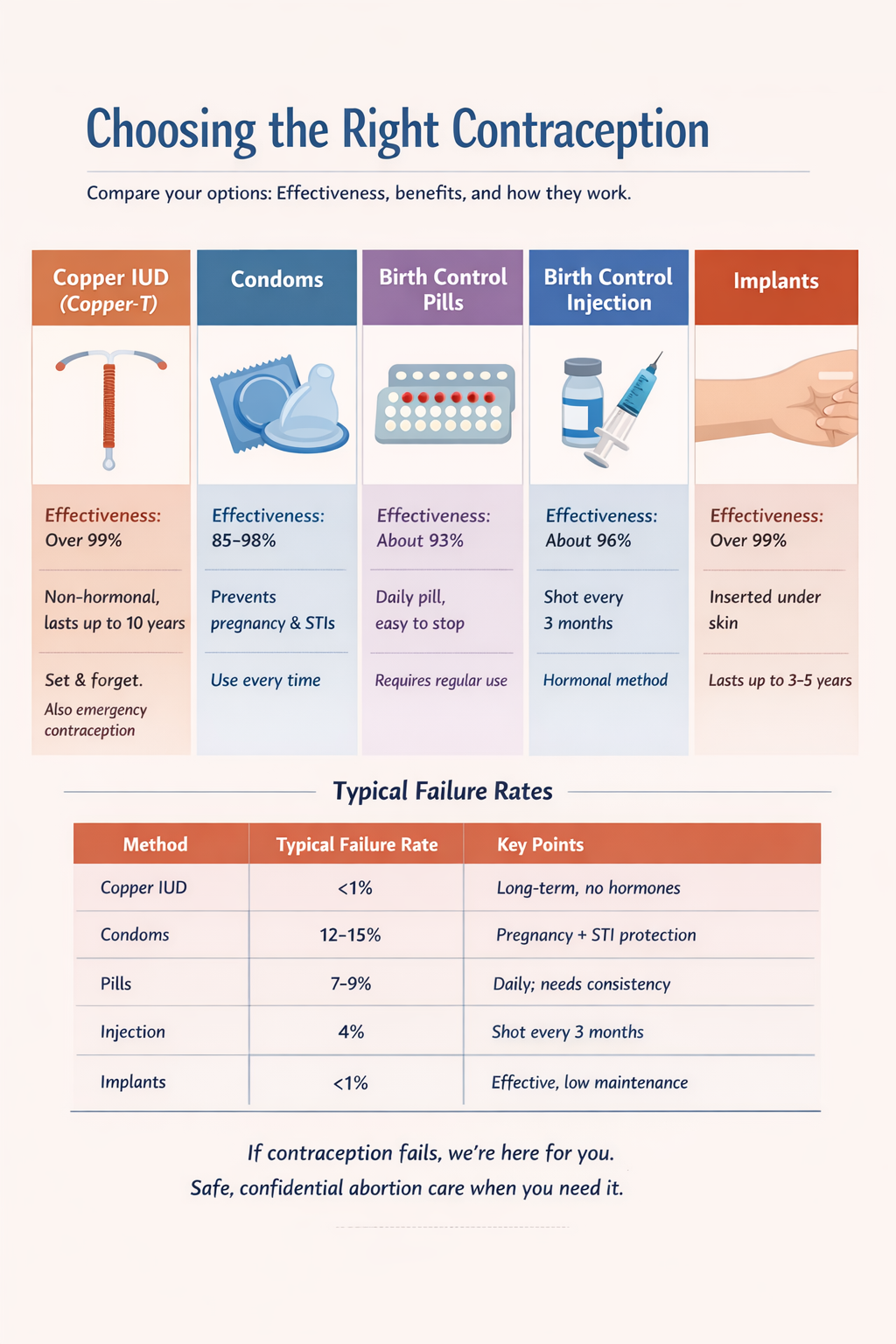
You might wonder if the condom actually worked or if a small mistake occurred during the “heat of the moment.” While condoms are highly effective, they are not infallible. According to the World Health Organisation (WHO), condoms have a “perfect use” success rate of about 98%, but in “typical use” scenarios—where they might slip or be applied incorrectly—that effectiveness drops to around 87%. If you suspect the condom broke or leaked, that fear can feel paralysing. However, acknowledging the possibility is the first step toward taking control of the situation.
The i-pill and Emergency Contraception
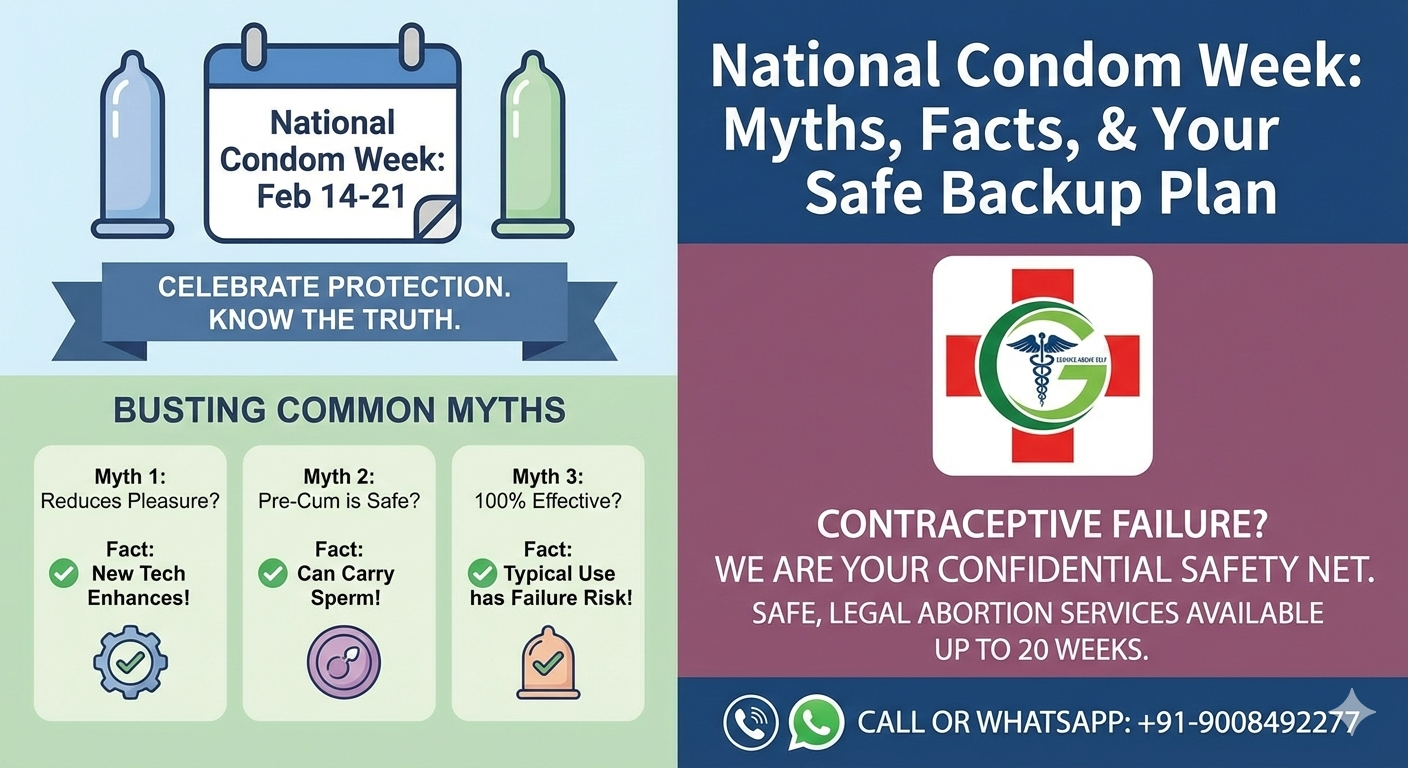
Many women rely on emergency contraceptive pills (ECPs), like the i-pill, after an unprotected encounter or a contraceptive mishap. We often hear from women whose boyfriends or partners rushed to the pharmacy to buy an emergency kit immediately after intimacy. You might ask, “Did it actually work?”
It is important to understand that the i-pill works by delaying ovulation. However, it is not a 100% guarantee. For instance, if your body had already released an egg (ovulation) before you took the pill, the medication might not prevent pregnancy. Furthermore, taking emergency contraception can itself cause your next period to be late, early, or heavier than usual, which often adds to the confusion and panic.
Why “Wait and See” Isn’t a Strategy?
Real-life experiences from women in our community show that the “wait and watch” approach usually causes more harm than good. One woman recently shared how she spent two weeks in total isolation, terrified to take a test, only to find out that her stress had delayed her period by twenty days. On the other hand, avoiding a test when you are pregnant limits your options and increases your risks.
Can pregnancy be the reason for your missed period? Yes, it certainly can. Whether it happened due to a contraceptive failure or an unplanned moment, the uncertainty is the heaviest part to carry.
The Power of Knowing: Why Early Diagnosis Matters?
We cannot emphasise this enough: Knowledge is your best friend. Taking a pregnancy test as soon as you miss your period is a brave act of self-care. Try any available home pregnancy test kits like Preganews, Clearblue, First Response, etc. Early diagnosis allows you to understand exactly what is happening inside your body before any complications arise.
When you detect a pregnancy early, you have the luxury of time to think, breathe, and consult with medical professionals about your next steps. Conversely, waiting too long can lead to increased physical symptoms and may limit the medical options available to you. Whether you are hoping for a negative result or figuring out what to do with a positive one, knowing the truth early keeps you in the driver’s seat of your own life.
Choosing Your Path: Navigating an Unplanned Pregnancy
If the two lines on a pregnancy test turn pink, your heart might sink. Whether this happened because a condom broke, an i-pill failed, or simply because you got caught up in the “heat of the moment,” please take a deep breath. You are not a “bad” person, and you have not made an unforgivable mistake. Life often presents us with unexpected turns, and an unplanned pregnancy is a medical situation that you can manage with the right support.
For many women—especially those who are unmarried—a positive pregnancy test feels like a crisis that could ruin their reputation or future. However, your health and your right to choose your path remain the most important factors here. A positive result does not mean you have run out of options; it simply means you need to move from a state of worry into a state of informed action. You deserve to make this decision in a space where you feel respected and safe, rather than pressured or judged.
The Hidden Dangers of Unofficial “Quick Fixes”
When panic sets in, many women look for the fastest, most private way to “make the problem go away.” In India, this often leads women to visit a local pharmacy to buy an MTP (Medical Termination of Pregnancy) kit or “abortion pills” without a doctor’s prescription. While this might seem like a shortcut to privacy, it is a dangerous gamble with your life.
Pharmacists are not substitutes for doctors. They can guide you towards the medication after a doctor’s diagnosis, but they cannot diagnose. They cannot perform an ultrasound to see if the pregnancy is located safely in the uterus. If you have an ectopic pregnancy (where the embryo grows outside the uterus) and take these pills, you risk internal bleeding that can be fatal within hours. Furthermore, taking pills without medical supervision often leads to:
- Incomplete Abortions: Fragments remain inside, leading to severe infections and sepsis.
- Heavy Haemorrhaging: You may experience uncontrollable bleeding that requires an emergency blood transfusion.
- Future Fertility Issues: Scars from untreated infections can make it difficult to conceive when you actually want to in the future.
According to the World Health Organisation, unsafe abortions remain a leading cause of maternal mortality. Don’t let a “quick fix” become a permanent tragedy. Your life is worth more than the few hundred rupees you might save at a chemist.
Abortion at Bangalore Genesis Hospital: Your Sanctuary for Safe, Legal, and Private Care
At Bangalore Genesis Hospital, we believe that every woman deserves access to high-quality healthcare without the heavy weight of judgment. We have built our facility to be a sanctuary for women navigating the complexities of reproductive health, including those seeking a safe and legal abortion.
We provide a completely confidential environment where your privacy is our highest priority. Whether you are married or unmarried, we offer:
- Legal & Safe Abortion in Bangalore: We strictly follow the MTP Act of India, ensuring your procedure is 100% legal and performed by expert and experienced gynaecologists.
- Advanced Diagnostics: We guide you to a high-end ultrasound centre and routine blood work and urine tests (only those that are necessary) to confirm the pregnancy status before any procedure, ensuring your safety from start to finish.
- A Compassionate Environment: Our staff understands the anxiety you feel. So, we replace judgment with empathy, providing a warm space where you can speak freely.
- Confidentiality: Your records stay with us. We respect your need for privacy and ensure that your visit remains a private matter between you and your healthcare team.
A missed period or an unplanned pregnancy feels like a storm, but you don’t have to weather it alone. Reach out to us today for a consultation. Let us help you find the clarity and care you need to move forward with confidence.
Related Posts:
- Motherhood Is a Choice: Respecting Every Woman’s Right to Choose
- How Much Rest is Necessary After an Abortion?
- Reproductive Rights Shape Futures: Why Every Woman’s Choice Matters?
- If You Want a Same-Day Abortion, Unwanted Kit is Not For You
- How Soon Can You Resume Your Routine After an Abortion?
Quick Links:
- 7 Things to Know Before You Buy an Unwanted Kit for Abortion
- What Guides Safe Abortion? Parameters Defining Abortion Care
- What’s in a Name? Exploring Different Abortion Pill Names
- “Is Same-Day Abortion Possible Without Hospital Stay?”
- Can Pineapple Cause Abortion? How much Pineapple to Eat in Pregnancy?
